Limitations of Geography: Poverty in Madagascar
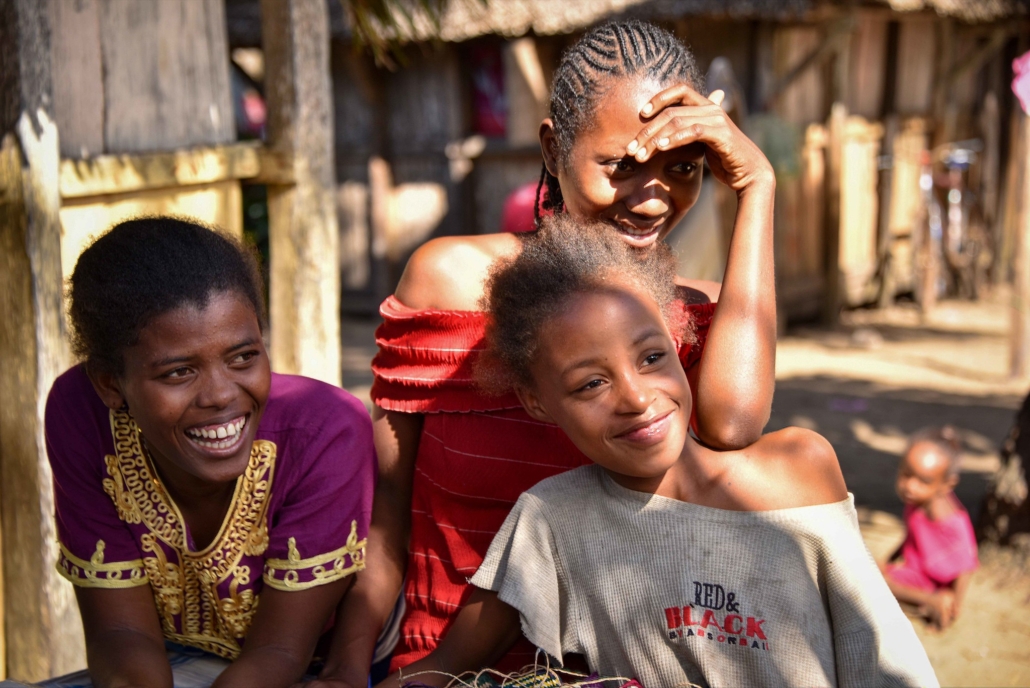 Poverty levels in Madagascar have remained persistently high for an extended period. In 2012, an alarming 80.7% of the population lived below the international extreme poverty line of $2.15 per day. A decade later, there has been only a slight decrease to an estimated 80.2%. While factors such as the impact of the COVID-19 pandemic and the Russian invasion of Ukraine may have contributed to this, it’s evident that progress in reducing poverty in Madagascar has been remarkably slow. This article explores how geographic factors have played a crucial role in impeding Madagascar’s efforts to combat poverty and the strategies it has employed to address this challenge.
The Geographic Poverty Trap
Madagascar is an island nation off the coast of Southern Africa and is one of the biggest islands in the world. However, Madagascar’s terrain is varied, with most of the country’s surface covered in dense forests, arid highlands or relatively short mountain ranges. This rough terrain, combined with the fact that around 60% of the population lives in rural areas, offers insight into the slow poverty reduction rate in Madagascar.
As economist Jeffrey Sachs has identified, this terrain makes transportation and infrastructure development costs much more expensive. This, in turn, creates more difficulties when looking to reduce poverty in these areas, as trade is fully dependent on challenging and costly transportation.
Madagascar, however, faces an exacerbated version of this geographic burden, as most of this rural population lives under the extreme poverty line of $2.15 a day. Furthermore, Madagascar mostly depends on subsistence farming techniques that are vulnerable to the extreme climates that have become so characteristic of the island.
Madagascar faces recurring challenges such as droughts, floods, and cyclones each year. These natural disasters often devastate the crops of subsistence farmers, who make up a significant portion of the population. As a result, many Malagasy people live in isolated areas, trapped in a cycle of poverty. The level of poverty is so severe that the people struggle to save money for investments in transportation, trade or increased productivity. The combination of geographical isolation, reliance on subsistence farming, and the frequent impact of natural disasters has made poverty in Madagascar incredibly resilient. This has made it difficult to achieve meaningful progress in poverty alleviation efforts.
Solutions
These issues have not gone unnoticed. Madagascar received more than $1 billion in Official Development Aid in 2021, and a flourishing NGO sector works in Madagascar to turn the tide and help accelerate poverty reduction in the country. Madagascar receives a relatively small share of GDP compared to other island nations. However, there is room for improvement in the assistance provided to the country.
Despite this, there are increasing efforts on the side of NGOs striving to reduce poverty in Madagascar. Most of these center around teaching improved farming methods, natural disaster recovery and boosting education programs all over the country. Noticeable among these is SEED Madagascar, a U.K.-based NGO that is active in tackling all aspects of poverty through health, education, productivity and cultural programs.
Looking to The Future
While Madagascar’s persistent poverty challenges may be rooted in its geographic factors and economic limitations, there is hope on the horizon. The recognition of these obstacles has led to increased international aid and the dedicated efforts of NGOs like SEED Madagascar, working on multiple fronts to empower communities with improved farming techniques, disaster recovery strategies and education programs. With these ongoing initiatives and a growing commitment to combating poverty, Madagascar could well be on a path toward a brighter future.
– Daniel Pereda
Photo: Flickr
