Vaccinating Zero-Dose Children in the Democratic Republic of the Congo
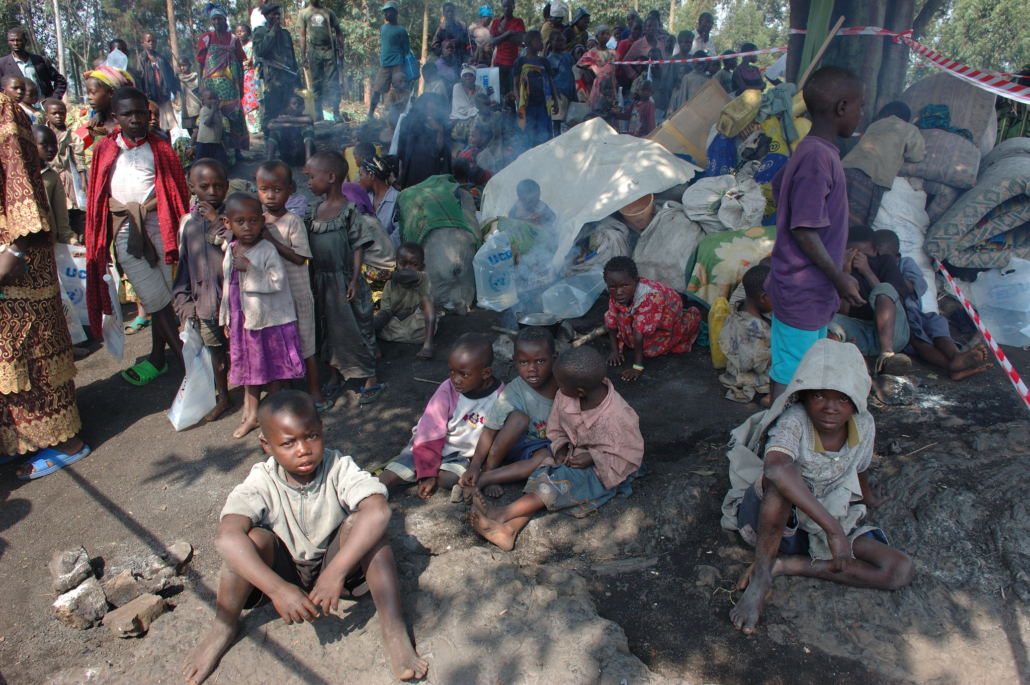
Vaccination has historically been one of the most effective and widespread public health interventions, saving millions of lives each year globally. However, in many parts of the world, particularly developing nations, vaccination is not readily available, and many children have never received a single dose of any vaccine. These children are known as “zero-dose” children, and their lack of immunization is a great threat to their health and those around them.
One example of a country with many zero-dose children is the Democratic Republic of the Congo (DRC). But on the bright side, the DRC is working with organizations on several initiatives to help alleviate this issue.
The Situation
A study in 2021 revealed that one in five children between 12 and 23 months of age in the DRC could be considered zero-dose. One initiative for vaccinating zero-dose children is the Mashako Plan, an effort that began in 2018. The government planned to vaccinate a quarter of a million children as part of the immunization program, targeting vulnerable provinces in the country.
Increasing immunization is also a critical part of fighting global poverty. When children remain healthy and safe from common diseases through vaccination, families can avoid the financial burden of medical expenses and lost productivity. In low-income countries like the DRC, where health care resources are limited, preventing diseases through vaccination is a strategically strong economic choice.
Solutions
New funding from Gavi, the Vaccine Alliance, is accelerating efforts to vaccinate zero-dose children in the DRC. Gavi’s Equity Accelerator Fund (EAF) is helping provide the DRC with $59.7 million, working toward an ambitious goal to reach 35% of zero-dose children. This is the most money any country has received from the EAF and is an important step in both global health improvements and poverty reduction. Thabani Maphosa, a managing director at Gavi, spoke about ensuring “that the most marginalized communities are no longer left behind,” which relates to the goal of fighting global poverty.
Additionally, vaccines support the achievement of sustainable development goals (SDGs). Ensuring zero-dose children are immunized contributes to SDG 3, which aims to ensure healthy lives and promote well-being for all, regardless of age or socioeconomic status. Vaccination also indirectly supports other SDGs related to education, equality and economic growth, as healthy children are more likely to attend school, contribute to their communities and break out of the cycle of poverty.
Looking Ahead
While several initiatives like these are working toward vaccinating zero-dose children in the DRC, challenges remain in the path toward full equity. The COVID-19 pandemic slowed the progress of the Mashako plan, resulting in a renewal of the plan with a second version, which had similar goals to the first. Political instability in the DRC prevents all of its people from receiving access to immunization, and the size of the country makes it difficult to maintain a supply chain for vaccines.
However, vaccinating zero-dose children is an essential step toward improving public health and reducing poverty. Therefore, there is a need for sustained efforts to ensure the protection of the health and future of vulnerable children. In turn, this could lead to a healthier and more prosperous nation.
– Namit Agrawal
Photo: Flickr
