Clean Water in the Dominican Republic
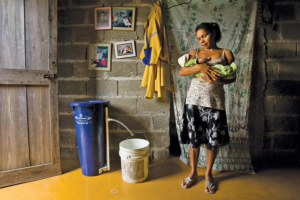
Near the border of Haiti and the Dominican Republic lies the poverty-stricken city of Independencia, where potable water is not a reality. Only 15% of inventoried water systems practiced chlorination in 2020, which has posed threats to human consumption. The poorest communities in the Dominican Republic rely on government-run faucets that provide a stream of contaminated water. When residents consume the bacteria-filled water, they increase their risk of contracting an illness.
Dominican residents frequently report water discoloration and odors which has led to an increase in bottled water consumption. Cholera and waterborne disease result from the lack of proper water treatment. Diarrhea is a common health complication that, left untreated, leads to the death of many island inhabitants. In 2017, the Pan American Health Organization (PAHO) reported 13,803 suspected cholera cases on the island of Hispaniola. In poverty-striken areas such as Independencia, there seems to be no option but to drink contaminated water, even with the consequences in mind. However, some efforts exist to provide clean water in the Dominican Republic.
The Impact of Natural Disasters
Natural disasters such as hurricanes and tropical storms that damage crops and destroy sewage systems have frequently ravaged the Dominican Republic. In 2017, Hurricane Maria affected much of the Caribbean, making recovery difficult due to a lack of resources. Damaged pipelines spread contaminated water, which left residents at risk of waterborne diseases. Natural disasters are the most significant contributor to the Dominican Republic’s water crisis, as bacteria destroy and corrupt pipelines. Feces and animal carcasses contaminate the water tanks, producing a toxic mixture of water, dirt, and animal materials that the community will likely ingest. Moreover, using polluted water for recreational purposes also infects the users.
Bottled Water
Because the poorest communities struggle to find clean water, they often turn to bottled water. Purified bottled water is beneficial for various tasks such as washing dishes, watering vegetation and brushing teeth. Consuming bottled water can better prevent infections. In the communities of the Dominican Republic, 40% of households spend roughly an eighth of their income on water. Unpurified water impacts those with weak immune systems the most. Children suffer from diarrhea and vomiting because of non-chlorinated water. In Batey Nueve, the community’s residents share water from the running free water tank. However, the water is not treated, which has led to widespread ingestion of contaminated water.
Civilians of the Dominican Republic find that their water is at unsafe levels causing acute health risks. Residents live in environments where people normalize waterborne diseases. With annual natural disasters damaging the sewage systems, more-and-more people are left with contaminated water that is actively impairing them. For many families, the only solution is to purchase bottled water. However, some do not have the income to consistently buy purified water, leading them to endanger their health by consuming tap water.
Efforts to Provide Clean Water in the Dominican Republic
Founded in 2008, the nonprofit Surge for Water invests in impoverished communities to help with water sanitation solutions. In 2016, Surge volunteers installed 45 water tanks, that improved water storage for almost 170 people in Baidoa. The organization subsequently provided 16 water filters which allowed 97% of their community to have purified water. Waterborne diseases such as cholera can be preventable when sanitation is prioritized.
Communities in the Dominican Republic are experiencing potable water scarcity, placing residents at risk of infection. Charities and organizations have implemented measures to provide clean water in the Dominican Republic and help Dominican residents prevent health complications. The CDC advises using treated or bottled water for consumption and recreational use when traveling to the Dominican Republic. With government efforts to keep sewage systems clean and to practice chlorination, communities will suffer fewer health complications due to water sanitation. A clean cup of water can be a life-changer for those that struggle to find it.
– Yv Maciel
Photo: Flickr
