Food Systems in Afghanistan
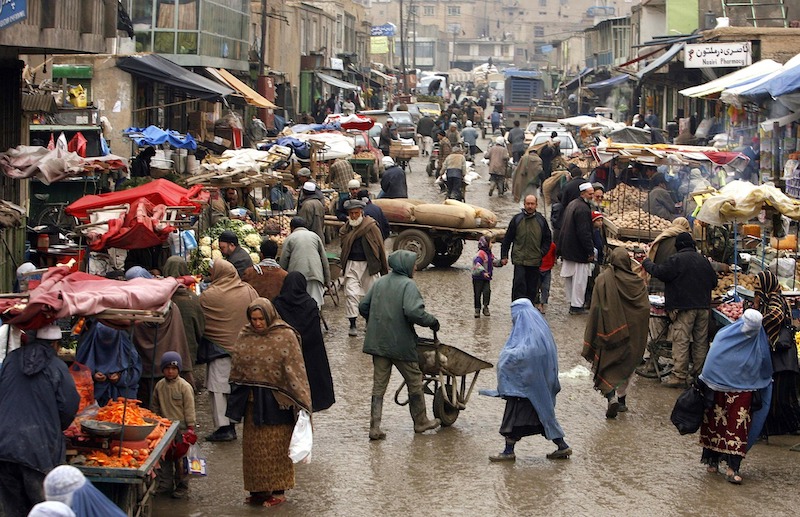
In the wake of Afghanistan’s government collapse in August 2021, the nation’s humanitarian crisis has plunged to new depths and will continue on this path if Afghanistan does not receive the necessary aid. Of the total population, 41.7 million, about 23 million Afghans, are experiencing food insecurity due to the failure of food systems in Afghanistan. However, organizations are making efforts to combat the hunger crisis and strengthen food systems in the nation.
The State of Food Systems in Afghanistan
About 8.7 million Afghans currently endure “emergency levels of food insecurity,” and according to the United Nations Development Programme (UNDP), without urgent action, Afghanistan could see a 97% universal poverty rate by mid-2022. The loss of more than 500,00 Afghan jobs since August 2021 and the steep incline of food prices leave Afghan families depleted of food with no income to purchase more. The Afghan people have no way of obtaining a sufficient supply of food nor can they harvest sufficient crops due to the harsh winter and severe drought.
The World Food Programme (WFP)
Since the start of 2021, the World Food Programme has assisted “15 million Afghans with food and nutrition support” while prioritizing the most vulnerable population segments such as young children and pregnant/breastfeeding women. The WFP’s “targeted supplementary feeding [program]” has addressed the nutritional needs of more than “500,000 pregnant and breastfeeding women” and more than 1 million malnourished children younger than 5. The WFP aims to “reach 23 million Afghans in 2022,” including 1 million children through its school feeding program.
The organization works with the Afghan government and commercial partners to strengthen the food systems in Afghanistan by supporting local small-scale farmers as well as “building local milling and fortification capacity and strengthening value chains and food safety measures.” The WFP assists the Afghan government and humanitarian organizations “in beneficiary management, supply chain, information and communication technology and facilities and information management” to ensure a targeted response to citizens’ needs.
USAID Assists Afghanistan
The United States Agency for International Development (USAID) has been taking measures to improve food systems in Afghanistan for the last two decades and has vastly strengthened Afghanistan’s agricultural sector. This is crucial work because about 80% of all Afghans depend on agriculture for their livelihoods. USAID’s efforts intend to scale up Afghanistan’s agricultural exports, expand “the reach of Afghan agricultural goods to bolster job creation” and distribute more agricultural goods throughout the country.
In 2010, USAID created a $100 million Agricultural Development Fund to supply credit to Afghan farmers and small-scale agricultural businesses to help them accumulate resources such as seeds, fertilizer and equipment. As of 2021, this fund has distributed “$132.7 million in loans to more than 43,600 Afghan farmers.” USAID has also assisted in creating more than 657,000 full-time agricultural-related employment opportunities, which has contributed to reducing poverty in the nation and strengthening food systems in Afghanistan.
Programs that are geared toward improving food systems in Afghanistan are essential in fighting the nation’s hunger crisis. Implementing these programs will increase food distribution throughout the country and strengthen Afghanistan’s agricultural sector.
– Isabella Elmasry
Photo: Max Pixel
