Increase in Refugees from Afghanistan
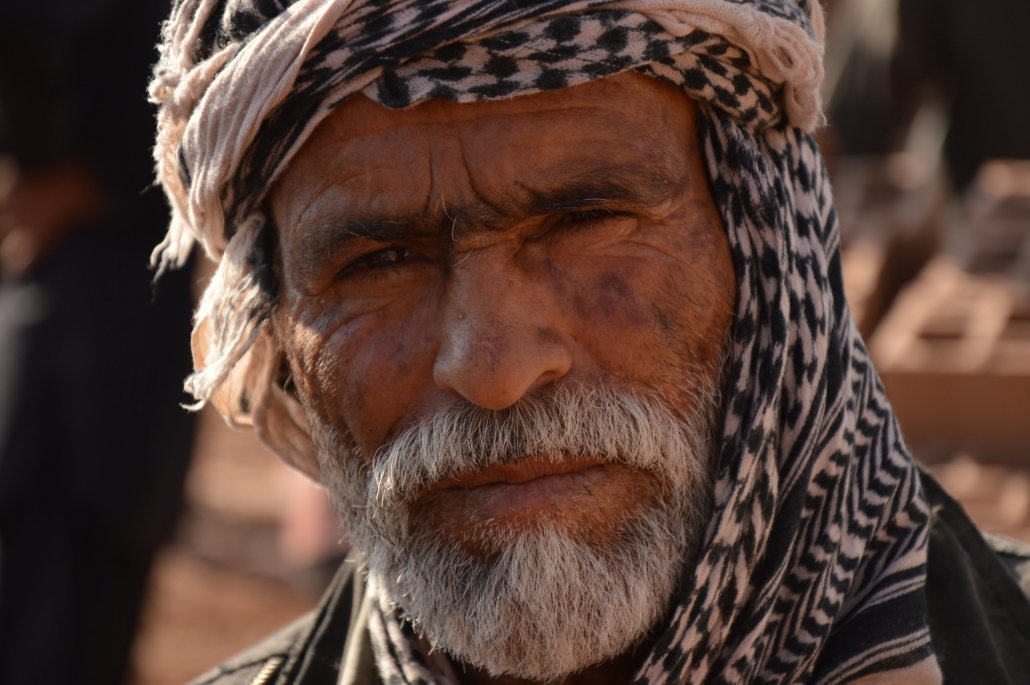
After 20 years out of power, in August 2021, the Taliban seized the capital of Kabul after the collapse of the Afghan government. With many Afghans opting to flee the country in search of safer and more stable pastures, the nation’s neighboring countries are experiencing an increase in refugees from Afghanistan. Although the reign of the Taliban brings increased instability to the country, Afghans were already fleeing the nation years prior. In fact, apart from fearing that “[the Taliban] will impose harsh rule, neglect to provide basic services and abuse human rights, “many Afghans are leaving due to the severe humanitarian crisis in the nation. Due to these worsening conditions, countries and organizations are trying to assist vulnerable Afghans.
Humanitarian Crisis in Afghanistan
In October 2021, Afghanistan’s poverty rate stood at 72%, but the United Nations Development Programme (UNDP) expects this rate to increase to a staggering 98% by the middle of 2022. Moreover, about 19 million Afghans are suffering from acute levels of food insecurity. Because of these conditions, people are fleeing Afghanistan in search of a better life. According to the UNHCR, almost 6 million Afghans face forced displacement. Estimates indicate that there are about 3.5 million internally displaced Afghans and roughly 2.6 million Afghan refugees residing in other nations. Compounding issues further, Afghanistan is facing a severe drought that has already led to the malnourishment of 50% of Afghan children.
The Taliban Takeover
The Taliban is a group of religious students from Afghanistan who aim to seize power to “restore peace and security and enforce their own austere version of Sharia, or Islamic law.” The Taliban began taking over parts of Afghanistan in 1994. In 1996, the group took over the capital of Kabul, and by 1998, had garnered control “over most of the country.”
During its time in power, the Taliban imposed harsh laws “forbidding most women from working, banning girls from education and carrying out punishments including beatings, amputations and public executions,” among other horrific punishments and restrictions. In 2001, a United States-led invasion is able to remove the Taliban from power. Unfortunately, “the Taliban reemerge” in 2006. In April 2021, after “President Biden announces the withdrawal” of U.S. troops from Afghanistan by the end of September 2021, the Taliban gains traction taking over more areas. By August 2021, the Taliban seizes the capital of Kabul.
Halting Aid to Afghanistan
With the Taliban in power, Afghanistan is facing a colossal economic crisis. Afghanistan was heavily dependant on international aid even before the Taliban takeover — 40% of its GDP comes from foreign aid. The World Bank has stated that “about 75% of public finances were supplied by grants from the U.S. and other countries.” Now, the Afghani currency has lost all its value.
In August 2021, when it became apparent that the Taliban would seize Afghanistan, global powers, such as the United States, chose to halt foreign assistance to Afghanistan, as did the World Bank and the International Monetary Fund (IMF). Furthermore, before, families relied on money from family members outside of the country. However, Western Union and MoneyGram removed their assistance and services in Afghanistan, causing the deprivation of money from families abroad.
Evacuating Afghans
Days after the Taliban took over Afghanistan, the United States began the evacuation process of Afghans. In truth, the United States helped evacuate about 125,000 people for relocation. Unfortunately, thousands of Afghans who hoped to leave the country did not have the opportunity to evacuate, even some with passports. Many of the evacuees received special visas for “their service alongside coalition military forces” or their work “with foreign-funded programs.” A more minimal number of evacuees able to board the planes as refugees from Afghanistan were “Afghans seeking visas or asylum based on their fear of persecution due to their identity.”
Refugees from Afghanistan Receive Assistance
Due to the influx of refugees from Afghanistan, the United Nations has requested that countries nearby “keep their borders open.” In September 2021, several governments pledged to “resettle refugees from Afghanistan,” including Canada, the United Kingdom, Australia, Mexico and Costa Rica. The countries specify maximum intake numbers, with some only accepting Afghans who fall into a specific vulnerable group or who hold specific jobs. The U.S. also pledged to take in 62,500 Afghans by the end of September 2021.
Amid a crumbling nation and citizens facing dire conditions, the international community is giving hope to Afghans for a better future with several countries willing to assist in the relocation of refugees from Afghanistan.
– Kayla De Alba
Photo: Flickr
