Advancing Local Dairy Farming in Nigeria
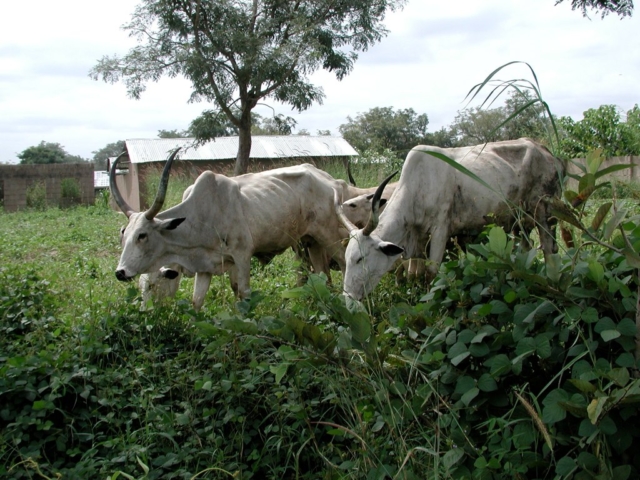 Nigeria’s dairy industry has many problems. Inefficiency, “lack of technical knowledge” and outdated practices plague local dairy farming in Nigeria. Thus, Nigeria does not meet its potential for establishing a thriving dairy industry. Even though Nigeria has enough cows, in 2020, it still spent $2.5 billion importing milk from multiple countries. Farmers in Nigeria lack access to infrastructure, veterinarians and technologies to improve milk collection. Fortunately, NGOs have begun operations to help local dairy farming in Nigeria meet its potential. Sahel Consulting, an agricultural consultancy firm in Nigeria, has launched the Advancing Local Dairy Development in Nigeria (ALDDN) program to try to reshape dairy farming in Northern Nigeria. With support from the Bill and Melinda Gates Foundation, this program focuses on local dairy farming in Nigeria.
An Overview of Nigerian Dairy Farming
Most dairy farmers in Nigeria work on small, pastoral farms. Many of these farms focus on meat, with milk as a byproduct rather than the main focus. Additionally, cows in Nigeria underperform in comparison with cows worldwide. While Nigerian cows produce “less than one liter of milk” per day, cows worldwide produce dozens, with some countries reaching 100 liters of milk per day. While this situation currently hurts local dairy farming in Nigeria, it also provides an opportunity. As a pastoral sector, the economic benefits of increased efficiency can bring these individual farmers out of poverty, lifting their communities up with them.
The Goals of ALDDN
ALDDN is taking a six-pronged approach to improving local dairy farming in Nigeria. The program focuses on farmers’ organizations, rural infrastructure, productivity, promotion of financial inclusion, education and public advocacy. By focusing on productivity improvements, ALDDN looks to increase milk volumes to international levels, increasing farmers’ revenues tenfold. The program also looks to build rural infrastructure to allow these farmers to sell their milk on the market. Much of the program focuses specifically on female dairy farmers who face financial exclusion. ALDDN aims to reach 210,000 beneficiaries, with 120,000 trained in modern dairy farming practices. The program also looks to train 50 veterinarians to help ensure the health of milk cows.
The Impact of ALDDN
ALDDN has already made an impact on Nigerian dairy farming. Arla Foods, a Danish dairy company with operations worldwide, has started constructing a dairy farm in rural Northern Nigeria in partnership with the ALDDN program. The facility aims to help 1,000 local dairy farmers, with space for 400 cows and 25 live-in workers.
Since the project began, much attention has fallen on the Nigerian dairy industry. Government-sponsored studies have recently shown the extent of inefficiencies in local dairy farming in Nigeria. Now, solutions championed by ALDDN have appeared in local magazines, with efforts across the dairy industry to modernize. Some focus on using technology to more efficiently milk cows while others focus on selectively-bred cows to produce more milk.
Efforts From Others
Other NGOs and governments have pitched in to help the Nigerian dairy industry. The United States recently donated pregnant Jersey cows to help boost milk production, hoping that in a few generations, these cows can help provide increased milk production. Additionally, FrieslandCampina WAMCO is working with communities to increase milk production. By introducing cross-breeding, the company saw a hundredfold increase in production in its Oyo milk facility, which is open to smallscale artisan farmers.
With all of the improvements and focus on local dairy farming in Nigeria, the future looks bright for this industry. More efficient cows, better rural infrastructure and better agricultural practices can help lift farming communities out of poverty, giving opportunities to those in rural communities who are commonly left behind.
– Justin Morgan
Photo: Flickr
