A Closer Look at Healthcare in Turkmenistan
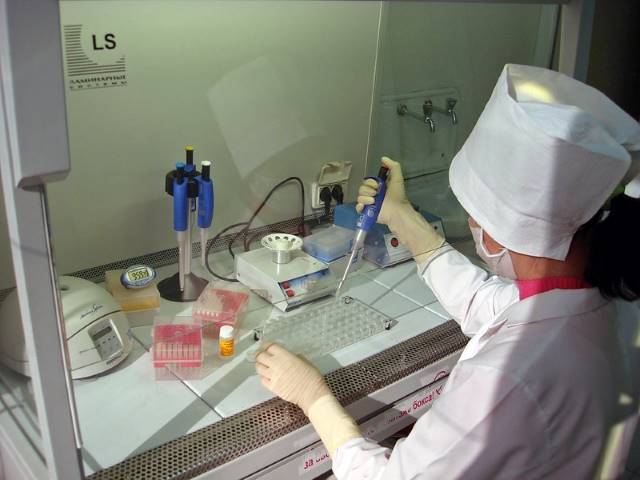 Turkmenistan is a Central Asian country with a population of 6.1 million. Healthcare in Turkmenistan has a complicated history, beginning when the country’s first post-Soviet president, Saparmurat Niyazov, fired 15,000 healthcare workers and shut down regional hospitals around 2005. However, Gurbanguly Berdymukhammedov, Niyazov’s successor, flipped the script and invested tens of millions of dollars into the country’s healthcare sector starting in 2006. While the investments were substantial, including a $56 million ophthalmology complex, the overall quality of healthcare in Turkmenistan lagged behind. Maral Nedirova, a Turkmen doctor, explains that medical services in the Turkmen provinces have not progressed since the 1970s.
The Effects of Dictatorship
Dictatorship in the 2000s had a lasting, negative impact on healthcare in Turkmenistan. As previously noted, Turkmenistan was under the dictatorial rule of president Niyazov until his death in 2006. The dictatorship resulted in direct harm to healthcare. Imprisonment and torture of those who opposed the administration combined with over-incarceration in overcrowded facilities hurt healthcare in Turkmenistan. The rule of president Niyazov, however, also indirectly contributed to the country’s healthcare struggle. This occurred primarily due to the government’s focus on secrecy rather than prevention, meaning that the dictatorship was more concerned with limiting the exposure of the healthcare crisis in Turkmenistan than actually addressing it. These failures have had lasting, adverse effects on healthcare in Turkmenistan.
Corruption Undermines Healthcare
While Niyazov’s rule came to an end in 2006, the corruption of the healthcare system in Turkmenistan is yet to cease. Bribery is commonplace in the healthcare system, with doctors being forced to pay an unofficial penalty “for every incident of an undocumented health problem that surfaces among the population of the district that they are responsible for.” Local administrations then use this money to bribe health inspectors “to ensure positive reports about their work.”
Additionally, the legacy of secrecy and coverup remains today. Despite being bordered by a country with 500,000 COVID-19 cases in April 2020, and having taken no formal quarantine measures, the Turkmenistan officials repeatedly reported no official cases around this period. Even within the country’s health departments, few people knew the real risk that COVID-19 posed due to the government’s secrecy. False reports and large-scale coverups likely make it most challenging to address the reality of healthcare in Turkmenistan as the truth is often unclear.
Poor Air Quality
The air pollution in Turkmenistan is “considered moderately unsafe” under guidelines put forward by the World Health Organization. While 10 µg/m3 of PM2.5, the fine particulate matter that pollutes the air and can cause health issues, is the maximum recommended level for air pollutants, Turkmenistan has a mean of 22 µg/m3. In the short term, this air pollution can cause typical symptoms like shortness of breath and lung and nose irritation while also worsening the effects of asthma and emphysema. In the long term, however, the risks become more severe, inducing lung cancer, cardiovascular disease, chronic respiratory illness and more.
The Future of Healthcare in Turkmenistan
Partnerships with other countries and international organizations provide hope for the future of healthcare in Turkmenistan. A new project started by Japan and the U.N. Office for Project Services (UNOPS) aims to deliver medical equipment and supplies to aid the country’s healthcare system. The project Enhancing the Healthcare System through the Provision of Medical Equipment in Turkmenistan will invest $2.8 million into the Turkmenistan healthcare system.
Moreover, a WHO-EU joining project titled Crisis Response for Central Asian Countries is a €3 million project involving Turkmenistan and neighboring countries that aims to assist in the response to COVID-19 as well as strengthen emergency response preparedness and detection efforts. Thus far, the project held a virtual training seminar led by international experts to train healthcare workers and provide them with hands-on skills. While Turkmenistan’s past was defined by its secrecy and closed-off posture regarding its healthcare system, the trend appears to be reversing as international aid in cooperation has been invited to help revitalize healthcare in Turkmenistan.
– Kendall Carll
Photo: Flickr
