Addressing Period Poverty in Brazil
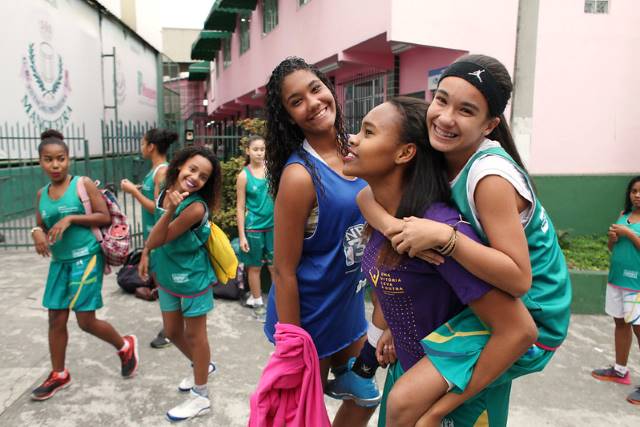 Period poverty is defined as a lack of access to menstrual hygiene resources and education. This includes access to sanitary products, washing facilities and waste management services. Financial barriers exacerbate period poverty in Brazil. Menstrual products in Brazil are taxed because they are not categorized as essential. In fact, in São Paulo, taxes form 34% of the price of menstrual products. Individuals and organizations are dedicating efforts to addressing period poverty globally.
Period Poverty in Brazil
In Brazil, not only is access to period products an issue but females also have no or limited access to hygiene facilities. Roughly 39% of schools lack handwashing facilities. This inadequacy directly impacts girls’ school attendance because, during menstruation, girls need a bathroom facility to change their tampons or pads and wash their hands. Outside of school, roughly five million Brazilians live in places that do not have adequate bathroom facilities.
Menstrual Stigma
There are about 5,000 known euphemisms for the words “menstruation” or “period.” This simple fact illustrates the shame associated with menstruation. Cultural taboos, discrimination, lack of education and period poverty perpetuate menstrual stigma. The consequences are that girls miss school while menstruating due to stigmas and taboos as well as a lack of access to menstrual hygiene products. Missing school means falling behind on education and increases the likelihood of girls dropping out of school altogether. Without education, girls are at higher risk of child marriage, early pregnancy and violence. Lack of education continues the cycle of poverty, limiting the futures of girls. This clearly illustrates how period poverty affects overall poverty.
Helena Branco
Ordinary young Brazilians are taking action to address period poverty in Brazil. Helena Branco is an 18-year-old Brazilian inspiring change and finding solutions to period poverty. After learning that the Brazilian government did not view period products as an essential resource, she took action. Branco and her teammates are part of Girl Up, a global movement for gender equality created by the United Nations Foundation.
After extensive research, the team’s first step was to focus efforts on supplying menstrual products to people suffering from the financial impact of COVID-19. The team developed the campaign #AbsorventeUrgente (#UrgentPads) to encourage local communities to donate menstrual products to organizations supporting vulnerable people during COVID-19. A total of 16 girl-led gender equality clubs from seven different Brazilian states took part in this effort. Through the campaign, the team successfully distributed more than 60,000 period products, raised $3,200 and directly impacted more than 3,000 people.
Eliminating Global Period Poverty
Branco and her team are bringing attention to the issue of period poverty in Brazil, highlighting barriers such as menstrual product taxes that discriminate against women. It is vital to address issues of period poverty in order to eliminate stigma and normalize the idea of menstruation in all nations. Efforts to address period poverty are essentially efforts to address global poverty overall.
– Rachel Wolf
Photo: Flickr
