Complications for Yemen’s Humanitarian Crisis
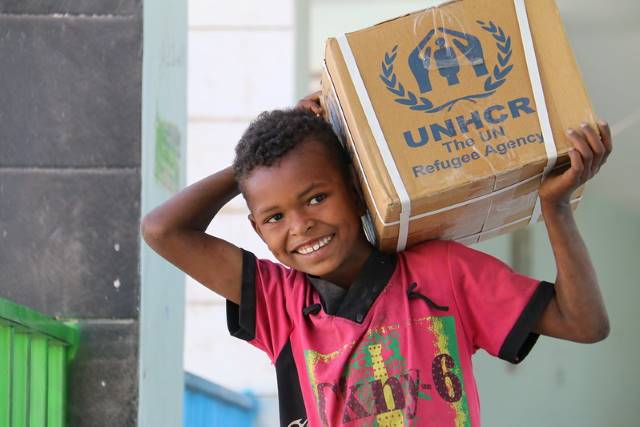 Caught in a civil war rife with ongoing violence costing thousands of lives, Yemen is currently the most impoverished country in the Middle East and is experiencing a severe humanitarian crisis. Yemen’s humanitarian crisis is a matter of urgency as roughly 24 million Yemenis depend on foreign aid for survival.
Houthis Terrorist Designation
On January 10, 2021, U.S. Secretary of State Mike Pompeo announced that Yemen’s Houthis group would be designated as a foreign terrorist organization by the State Department. The designation went into effect on January 19, 2021, only a day before the new presidential administration would see Pompeo exit his position. This decision has drawn international concerns and criticisms as it is feared that the label would pose major challenges to U.S.-Yemen relations.
As foreign aid must go through the Houthis in order to be allocated to the people of Yemen, this act would further complicate the distribution of essential aid from the U.S. and exacerbate the humanitarian crisis in Yemen. Meanwhile, it has equally evoked a necessity to put the spotlight back on Yemen’s dire state of relentless and unforgiving civil war.
Conflict and Corruption in Yemen
Since North and South Yemen unified in 1990 to form the present state of Yemen, the country has struggled with internal unity due to the inherent religious and cultural divide among citizens. However, these differences became increasingly visible in 2014, when Yemen experienced a period of unrest throughout its population after Yemen’s president, Abdrabbuh Mansur Hadi, lifted fuel subsidies, threatening an aggravated state of poverty and food insecurity throughout the nation.
Frustrated with the pervasive corruption within the administration, widespread protests would encourage the Houthi rebels to consolidate power and take over Yemen’s Government the same year. In an effort to regain control over the region, Saudi Arabia utilized military intervention to overthrow the Houthis with the aid of foreign powers such as France, the United States and the United Kingdom. However, this conflict only set the stage for the calamity to come.
Since the Houthi takeover and the Saudi-led intervention, the humanitarian crisis in Yemen has seen more than 200,000 fatalities recorded as a result of direct and indirect effects of the country’s civil war.
Signs of Promise
While the designation of the Houthis as a terrorist organization throws a wrench into the already complex relationship dynamic between the United States and Yemen, there are three signs of promise:
- Following Pompeo’s announcement, the United States exempted organizations such as the Red Cross and the United Nations to continue essential aid to Yemen and allowed for exports of agricultural commodities and medicine.
- On January 25, 2021, the United States approved a month-long exemption that would allow transactions to take place between the U.S and the Houthis.
- The new secretary of state, under the Biden Administration, Antony Blinken, has pledged to review the terrorist designation of the Houthis — a reassuring statement for the stability of aid to Yemen’s people.
Despite this setback, the designation has nevertheless raised an opportunity to bring our attention back to Yemen’s tumultuous state. Revitalized efforts of diplomacy may inspire more substantial action in order to address Yemen’s growing humanitarian crisis.
– Alessandra Parker
Photo: Flickr
