6 Facts About Healthcare in Taiwan
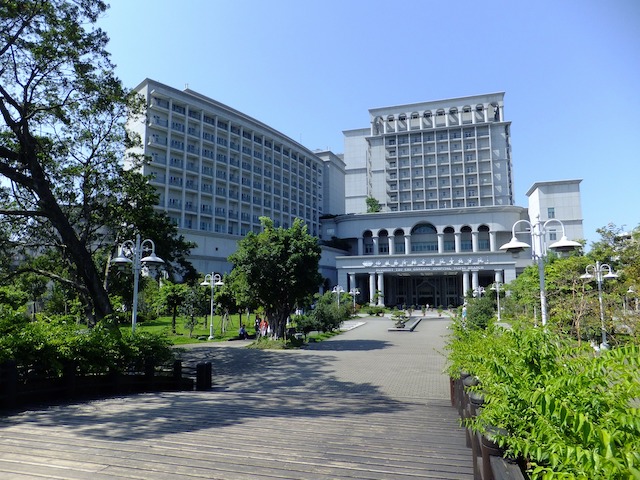 Universal healthcare in Taiwan provides health services indiscriminately to the country’s constituents. Healthcare itself is highly regarded as important for nations looking to care for impoverished citizens. Taiwan, an island country in East Asia, provides universal healthcare to its population of more than 23 million. Here are 6 facts about healthcare in Taiwan under the National Health Insurance (NHI) program.
6 Facts About Healthcare in Taiwan
- Taiwan is under a single-payer healthcare system. Under a single-payer model, one public agency controls healthcare for everyone. Taiwan implemented this system of universal healthcare in 1995 as recommended by then-advisor Uwe Reinhardt. Reinhardt pushed for an equitable healthcare program that would cover all citizens effectively without bias. Before the implementation of the program, private insurance companies provided coverage for around 57% of the country’s citizens; universal healthcare provides for 100%.
- Enrollment in national healthcare is mandatory. All Taiwanese citizens must be enrolled in the NHI program, as well as travelers staying in Taiwan for more than six months. The National Health Insurance Administration (NHIA) covers everyone in Taiwan. Citizens have NHI IC cards that contain their medical records.
- Taiwanese citizens still have autonomy within the system. While the healthcare system is national, doctors and hospitals still operate privately. Residents of Taiwan may choose which establishments they visit, but they must present their NHI IC cards when they receive treatment. After treating patients, hospitals and doctors claim payment from the NHIA. Patients may be charged a small copayment depending on their income.
- NHI covers virtually everything. NHI guarantees free coverage for preventive care such as child care and cancer screenings. It provides care for mental health as well as general primary care. Citizens under NHI are also given access to the basics, such as medicine (modern and traditional) and checkups. Some private insurance companies also exist, which citizens may choose to patronize based on needs that don’t exist within the NHI system, such as very specific types of medicine or treatment.
- Costs are low for everyone. The NHIA stratifies patients based on their income and financial need, which means that low-income workers have their healthcare completely subsidized. The NHI, however, has capped copayment amounts that benefit even high-income patients. The system caps prescription drug copayments at $6.64 and specialized physician visits at about $14. Approval ratings for the national healthcare system are higher than ever with more than 80% of Taiwanese citizens expressing their approval.
- The healthcare system is incredibly efficient. Because of the nationalized system, healthcare administration costs are low in Taiwan. As a result, the country only spends about 6% of its GDP on the healthcare system every year. In comparison, the U.S. spent almost 18% of its GDP on healthcare in 2018. This is one of the lowest rates for a country with healthcare as developed as Taiwan.
Taiwan’s National Health Insurance system is an example of universal healthcare that benefits all. Healthcare is consistently an important factor in poverty alleviation because basic medical treatment can stretch lifespans and save lives. Giving the impoverished access to healthcare is an important step in fighting poverty. While Taiwan may have an efficient and beneficial system, many people globally remain in need of healthcare services.
– Maggie Sun
Photo: Pixabay
