Well Systems: Essential Tech in Water Access
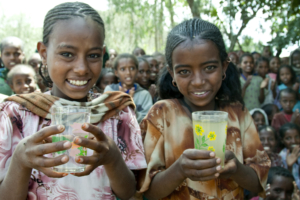 Well systems prove to be a life-saving technology, especially in sub-Saharan Africa where 40% of the population lacks access to improved water sources. These sources include pipe connection, public taps, protected wells and boreholes. The regions generally rely on surface water from streams or lakes with no protections against the bacteria infiltrating from farming run-off or open defecation practices. Every community deserves clean water, yet each community is unique and requires a water access system that fits its lifestyle. Several innovations surrounding modern tech in water access present potential keys to achieving this goal.
Rainwater Catchments
One cheap and effective innovation is rainwater catchment systems. These systems are undertakings for facilities containing three or more buildings with large roofs, such as medical clinics and schools. Gutters (also called downspouts) attach to the roofs of the buildings and connect to a large, sanitary holding tank. The gutters collect rain run-off and pour it directly into the holding tank — providing a safe source of water for the community.
Rainwater catchments are extremely reliable. This is due to the holding tanks avoiding any kind of exposure to the elements or outside contaminants. They do not lose water to evaporation as open-sourced water systems do. Even in communities with just one or two large buildings, rainwater catchments are useful during dry seasons as they provide rationed drinking water for school children. About 33% of Africa receives enough rain to provide sufficient amounts of safe drinking water for their populations. In this same vein, rain catchments offer the potential to harvest water in a way that benefits entire communities.
Boreholes and Other Drilled Wells
Borehole wells are essentially drilled wells with vertical pipes that extend down, past groundwater and connect to an aquifer below. These systems are typically hand-pumped. All wells (drilled) can be costly and require heavy equipment, skilled laborers and ample fuel to successfully operate. However, they are sustainable and can provide reliable sources of clean drinking water for approximately 50 years (with only minor repairs and upkeep). Drilled wells are a viable option of tech in water access for larger communities due to the high volume of water they provide. On average, operating borehole wells cost about $3,000, or approximately 51,000 South African Rand.
Spring Protections
Natural springs are abundant and depending on their specific outputs — a single protected spring can provide safe water for an entire village. Protected springs have naturally enclosed with walls made of concrete or similar material that extend into the earth until they meet the spring source. Workers then seal the tops of these walls to prevent contaminants from groundwater and animals. Workers install a spout on the side of the spring so water can flow out. Additionally, technicians can install another spout under the surface, to flow directly to a holding tank. Also, spring systems carry naturally filtered properties, they are economical and a solution for communities of any size. The only prerequisite to this option of tech in water access is that a natural spring must be present.
Benefits of Water and Sanitation
Every hour, 115 people in Africa die from diseases that are preventable through sanitary water access. From extensive water drilling projects to inexpensive spring protections, there is a solution for clean, reliable water for every community. With the consistent pursuit of well system installations across sub-Saharan Africa, tech in water access can improve health, food and education across the continent.
– Madalyn Wright
Photo: Flickr
