3 Ways Rethinking the International Food Trade Can Help Impoverished Regions
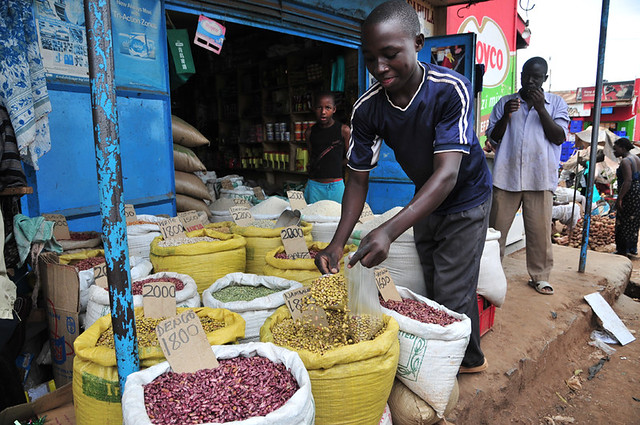 Malnutrition, the state of nutrient over-consumption or under-consumption, plagues every nation in the world. Every day, one out of every nine individuals around the world goes hungry, while one out of every three is overweight. What causes this problem? The growth of the international food trade has stoked the flames of a malnutrition crisis that already disproportionately impacts impoverished countries. Nevertheless, governments and major firms in the international food trade can take simple steps to transform markets and reduce malnutrition all over the globe. Here are three ways that rethinking the international food trade can help impoverished regions deal with malnutrition.
Rethink Pricing Policies
It’s simple economics that when products drop in price, they become more widely purchased and distributed throughout the world. Unfortunately, many of the foods priced lowest in the international food trade fall into the category of “ultra-processed.” Consumption of these nutrient-poor foods is increasing due to their low price. In October 2019, sugar was priced at around $0.13 per pound, and its consumption was set to increase by 1.4%. Comparatively, meat saw a 1% decrease in production from 2018 to 2019 when its prices increased moderately.
With reduced national wealth, impoverished countries must often resort to purchasing these cheaper, unhealthy commodities. Driven by lower sugar prices, the consumption of sugar is expected to grow in Africa, the Middle East, Latin America and the Caribbean. Less wealthy countries will therefore continue to purchase “ultra-processed” foods linked to heart disease and diabetes. In doing so, they will provide their citizens with potentially harmful food that will only worsen the malnutrition crisis.
Rethinking trade policies can solve this issue of imbalanced prices. Many processed foods made with sugars or fatty oils have low international safety standards, which allows them to be sold within markets for low prices, whereas healthier fruits and vegetables have high international safety standards, which causes their prices to rise. This makes healthier foods less affordable for impoverished regions.
By applying high safety standards to sugar- and oil-based foods, the international food trade could equalize prices of healthy and unhealthy products. Healthy foods would then be more accessible to malnourished communities and help to reduce the impacts of malnutrition. Additionally, individual countries can redesign national trade policies to subsidize the production of healthier foods like fruits and vegetables so as to make them more affordable for impoverished countries.
Rethink Market Orientations
By 2022, the global fast food market is expected to grow by $188.4 billion. From 2018 to 2019, the international trade of oil crops reached an all-time high, and experts also expect the international market of sugar products to expand through 2020. Comparatively, the international market for healthier products like coarse grains may soon undergo a “sharp anticipated drop” in consumption and production.
The international food trade is therefore oriented toward distributing foods around the globe that contribute to the growth of obesity-related diseases and malnutrition. Given that the international food trade continues to prioritize markets for “ultra-processed foods,” it becomes even more likely that poor individuals will have to purchase and consume these foods. In turn, this will lead to poor regions eating increased amounts of refined foods linked to chronic diseases while consuming fewer natural foods that contain essential nutrients.
Such a market orientation stands to further deprive already starving individuals of the few nutrients remaining in their diet, thus worsening the global malnutrition crisis. In this case, governments and major food producers can help reduce malnutrition in impoverished countries by reorienting international food markets toward the production and consumption of healthier commodities like fruits, grains, vegetables and meats. These food groups currently make up only 11% of global food production.
By overhauling what gets sold within the international food trade and by emphasizing the commercialization of healthier foods, governments can work together to provide nutritious food to every country. These foods would help eliminate, not contribute to, cases of debilitating malnutrition.
Rethink Food System Investment
According to the WHO, 42 million children worldwide under the age of five are overweight or obese, while 50 million children are too thin for their height. Both of these conditions are associated with massive health risks as well as massive risks to the health of global economies. By 2030, the economic cost of diabetes, a disease linked to obesity and highly processed foods, could increase to $2.5 billion a year.
Through micro-financing and “multisectorial investments in nutrition,” governments and international food trade firms can grant increased buying power to communities with particularly high malnutrition levels. This type of investment could provide impoverished communities with food or direct cash grants that could help them reduce malnutrition and stimulate economic growth. Domestic financing has the potential to kickstart the economies of impoverished regions, which gives them the opportunity to purchase healthful foods crucial to reducing malnutrition rates.
Many current food systems lack any outside investment. For this reason, countries around the world would need $9 billion per year over the next five years to meet nutritional goals. By rethinking investment into international food markets and systems, the global community can come together to stimulate the economies of impoverished countries. This would give them a dignified way to access markets, purchase healthy foods and reduce malnutrition in the communities most in need.
Overall, although the current mechanisms of the international food trade foster malnutrition, countries can easily redesign them in ways that will actively help to reduce malnutrition worldwide. By rethinking trade policies, market orientations and community investments, governments and major firms in the international food trade can begin to address malnutrition and help provide impoverished individuals with the wholesome food crucial to lifelong health and happiness.
– Nolan McMahon
Photo: Flickr
