8 Facts About Healthcare in Suriname
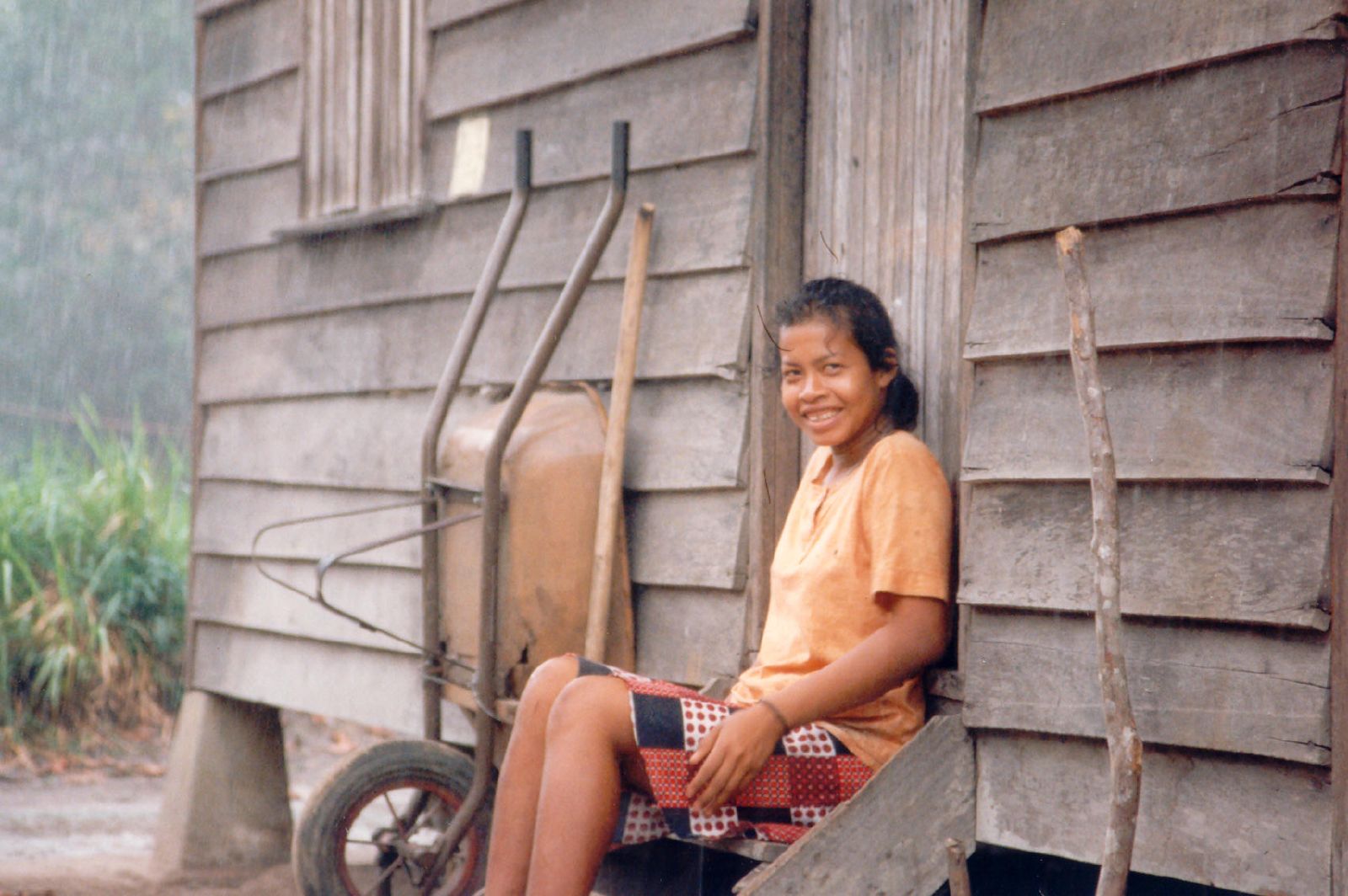
The Republic of Suriname is an upper-middle-income country located on the northeastern coast of South America. Around 90% of the country’s population lives in urban or rural coastal areas. Healthcare in Suriname is accessible for both the public and private sectors. Here are eight facts about healthcare in Suriname.
8 Facts About Healthcare in Suriname
- Infant and Maternal Mortality: Suriname’s infant mortality rate in 2013 was around 16 deaths per 1,000 live births. The most prevalent reasons for mortality reported in children under 1 year of age were respiratory problems, fetal growth retardation, congenital diseases, neonatal septicemia and external causes. The maternal death ratio averaged 125 deaths per 100,000 live births from the years 2000 to 2013. For mothers, the most prominent causes included gestational hypertension and hemorrhage. In 2010, prenatal checkup coverage was around 95%, and more than 65% of pregnant women had had four prenatal checkups. In addition, almost 93% of births happened in a health center, and trained health workers carried out around 95% of births.
- Life Expectancy: In 2016, the average life expectancy of a male was 69, while the average life expectancy of a female was 75. These estimates are slightly below the average male and female life expectancies in the rest of South America.
- Mosquito-borne Illnesses: In late 2015, the preliminary issue of Zika virus was found in Suriname. The disease spread quickly throughout the country’s 10 districts, but there are no current outbreaks. Conversely, Suriname has eradicated malaria from all but one district of Suriname. However, the rate of new imported cases (principally among gold miners from French Guiana) increased by more than 70% in 2015.
- HIV and Tuberculosis: By 2014, Suriname’s human immunodeficiency virus (HIV) rate among the 15-49 age group was 0.9%. HIV/AIDS caused 22.4 deaths per 100,000 people in 2010, decreasing to 16.4 deaths per 100,000 people in 2013. From 2012 to 2014, the estimated tuberculosis diagnosis rate increased from 58% to 71%. To combat the disease, the country started the direct implementation of observed treatment, resulting in higher treatment success from 61% in 2010 to 75% in 2013.
- Government Contribution and Coverage: Suriname experienced vast economic growth from 2010 to 2014. During this period, healthcare in Suriname received increased funding for various services and facilities. It expanded and decentralized private laboratory diagnostic services, private primary care, dental care and paramedic practices. In 2015, vaccination coverage was almost 90% for DPT3 and above 90% for the trivalent vaccine (MMR1). In 2014, the total estimated health expenditure as a percentage of GDP was 6%. For health insurance, employees’ premium rate is 50%, and employers pay the other half. For low- or no-income citizens, the government subsidizes health coverage.
- Hospitals: Of Suriname’s five hospitals, two are private and three are public. The Academic Hospital in Paramaribo has recently renovated and expanded its facilities and invested in equipment and staff for specialty care like gastroenterology, oncology, intensive care, renal dialysis and more. In 2013, government and external funds also helped other hospitals invest in new facilities and healthcare worker training programs.
- Sanitation: Suriname’s lack of an integrated waste management policy has created illegal dumps and caused refuse to accumulate on roadsides and in open waters. This infrastructure problem results in health risks and environmental hazards. According to the Pan American Health Organization (PAHO), Suriname does not have facilities for storing or eliminating hazardous waste, nor does it regulate the safe use or storage of pesticides.
- Accessibility: In 2014, Suriname passed its national basic health insurance law. It provides access to a basic package of primary, secondary and tertiary care services for all Surinamese citizens. In 2013, all people under the age of 16, as well as people aged 60 and over, had the right to free health care that the government paid for. Universal access to healthcare for pregnant women and newborns remains a challenge for healthcare in Suriname.
Persistent voids in access to healthcare in Suriname are related to drawbacks in funding. The healthcare system has seen an expansion in the past decade, but there are still plenty of health challenges to confront and improve.
– Anuja Kumari
Photo: Flickr
