Satellite Technology Can Combat Poverty in Africa
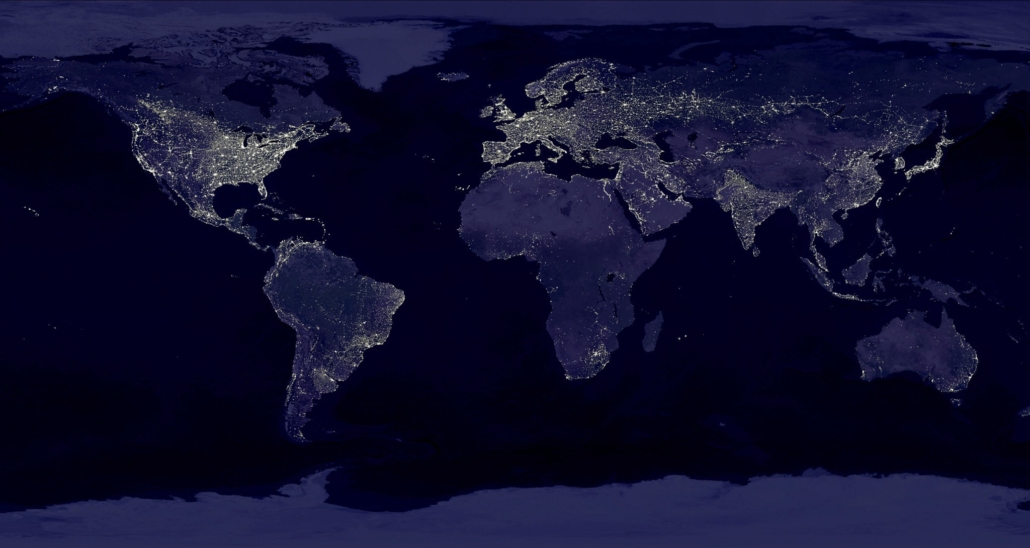
Over the last two decades, there has been an observed decrease in poverty levels in the eastern and southeastern regions of Asia. Unfortunately, 42% of people in sub-Saharan Africa are still living in absolute poverty conditions. To aid developmental efforts on the continent, scientists and engineers are exploring how satellite technology can combat poverty across the entire continent.
Identifying Poverty
It is well-known in the academic community that research relating to poverty in comparatively poor regions is hard to come by. Surveys and censuses are not frequent enough to provide an accurate understanding of poverty in Africa. This lack of data makes strategizing and taking action to alleviate poverty in some areas particularly difficult. Luckily, some are conducting new research to explore the possibility of using satellite imagery to identify poverty-stricken areas. In fact, Stanford researchers Marshall Burke, David Lobell and Stefano Ermon spent the last 5 years studying the use of available images to assess poverty conditions in Africa over time.
Satellite imagery and machine learning can work together to identify poverty and development hot-spots. Images that satellites take during the night could expose the absence of lights in an area that may lack electricity. Images from the day may also show the status of general infrastructures like housing, waterways, agricultural techniques and roads. These features are components of development and identifying their status should be able to help efforts to provide communities with the resources they lack. Neural networks, which are a component of machine learning, use these satellite images to find patterns in communities. The Stanford researchers tested this technology on 20,000 different African villages and created models for the conditions they observed. While machine learning is a new tool for the fight against poverty, it is a promising source of information and understanding that can enhance our response.
Famine and Natural Disasters
In its response to conditions in Africa, USAID has long known that satellite technology can help combat poverty. In 1986, NASA began working with the U.S. Geological Survey (USGS) to detect and prevent famine through the famine early warning system (FEWS). Using remote sensing and existing satellite data that NASA collected, USAID has been able to predict famine conditions in sub-Saharan Africa.
In 2000, NASA and USGS also collaborated to establish more effective response-planning mechanisms through an updated FEWS Network. They have used this network to predict floods, landslides, fires and other natural threats to development. In 2017, the network was able to make a credible appeal for food aid in a war-torn Somalia, which reduced deaths from starvation. Researchers have also concluded that the early warning system lowered mortality rates in Kenya, where the number of “severely hungry” Kenyans was 1.75 million in 2017, versus 2.8 million in 2011. Good disaster response can better inform developmental projects in poorer countries, which makes the network a crucial component of a greater effort to alleviate poverty.
The Long-term
Many are now looking at how satellite technology can combat poverty. The technology can no doubt open more doors to understanding economic development. Experts suggest that satellite intel on land usage could aid non-governmental organizations in crafting policies for better resource allocation in the region and the possibilities do not stop there. Although there is still work to do to alleviate poverty in Africa, viewing this advancing technology as an enabler for further research and action is incredibly exciting.
– Arshita Sandhiparthi
Photo: Flickr
