10 Facts About Sanitation in Mozambique
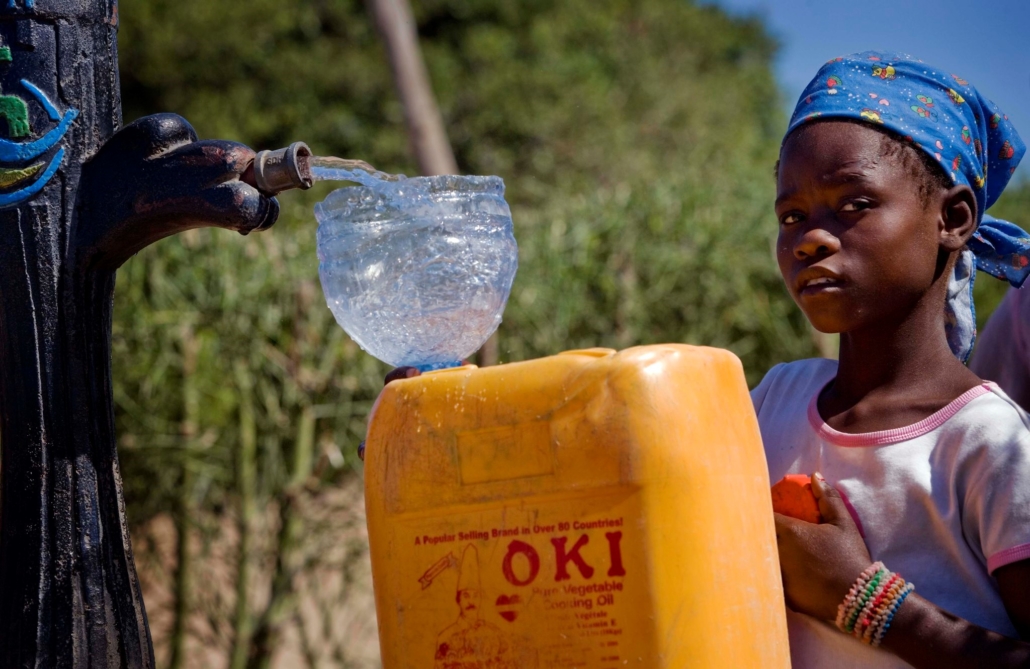
Mozambique is a Sub-Saharan African country located on the Southeast coast of Africa bordering the Indian Ocean. The country has a population of nearly 28 million people and is both culturally and biologically diverse. Global statistics classify Mozambique as one of the world’s poorest countries with a national poverty average between 41-46%. Slow economic growth and informal government control have led to unhealthy and unstable living conditions. Issues regarding sanitation and water services are prevalent in the country. Here are 10 facts about sanitation in Mozambique.
10 Facts About Sanitation in Mozambique
- According to WaterAid, 14.8 million people in Mozambique do not have access to clean water, which is over half of its population. High levels of poverty make building and maintaining services difficult, or even unattainable. The government of Mozambique needs funding to make commitments to its citizens, but in 2016 following a drop in commodity prices, donors like World Bank halted all aid—furthering the economic crisis.
- Water is an essential daily resource for all people including those in Mozambique. People in Mozambique use it for direct consumption, cooking, irrigating fields and sanitation. Rural communities often have to obtain their water from natural sources like rivers, hand-dug wells or ponds.
- UNICEF identified that in rural areas, one in five people use surface water as their primary drinking water source. Water from rivers, lakes, ponds and streams can contain bacteria, parasites, viruses and possibly other contaminants. To make surface water fit to drink, treatment is necessary. In fact, UNICEF has taken efforts to improve water services in the form of implementing Community-Led Total Sanitation (CLTS) in Mozambique.
- The World Bank allocated a $75 million International Development Association (IDA) grant to Mozambique in June 2019 to help with water services and institutional support projects. The grant will fund water production, expansion and refurbishment on wellfields, water treatment facilities and intake to improve all water services, as well as building the country’s resilience to droughts.
- WaterAid stated that three in four people in Mozambique do not have a decent toilet, amounting to 21.4 million people. Access to proper sanitation leads to the ability to have good hygiene that affects livelihood and sustainability. Citizens have to travel even a few days to find a decent toilet or care for older relatives, so they are unable to work or attend school. Women and girls often suffer the most due to this as it can impact their ability to garner an education, as well as their health and personal safety.
- Mozambique has one of the highest open defecation rates in Sub-Saharan Africa at 36%. Nine million Mozambicans use unsanitary or shared latrines and have no latrine at all, defecating in the open. The poorest quintile is four times more likely to practice open defecation than the richest.
- As many as 76% of the population do not have or use improved sanitation facilities, with the rate being 88% in rural areas compared to 53% in urban and peri-urban areas. Citizens need access to improved water supply or better sanitation but often cannot obtain the necessities if they live in low-income, informal or illegal settlements or on the outskirts of cities.
- Poor sanitation costs Mozambique $124 million (US), yet eliminating the practice would require that the country build two million latrines. Mozambique loses $22 million per year due to open defecation. People that practice open defecation spend 2.5 days out of a year on average looking for a private location, which often leads to economic losses. The country also experiences a $22 million loss due to health care costs relating to open defecation illnesses. Additionally, the country spends $79 million due to premature death costs.
- WaterAid identified that over 2,500 children under 5-years-old die every year from diarrhea due to dirty water and poor toilets. Fragresse Finiassa, a mother of six, obtained training from UNICEF’s WASH Program. Finiassa stated that “We used to suffer a lot from diarrhea. When we had severe diarrhea, we would have to walk five hours to the health center for treatment.” The lack of a toilet meant that “At night, our shoes would often get dirty, because we couldn’t see where we were treading, and my children would also get scared to go out in the bush (to defecate) in the dark.” However, that all changed in 2016 when her community learned the dangers of open defecation and received training for toilet construction. Men in the community learned how to build latrines and covered them with concrete slabs for proper defecation and contribute to improved health.
- According to UNICEF, 246 of every 1,000 children born in Mozambique die within their first five years, with 13% of deaths directly due to a lack of access to proper sanitation and clean water, and poor hygiene practices. Cholera infection is the most common waterborne illness that citizens face due to stagnant water sources. Reports determined that there was a cumulative total of 6,382 cases and eight deaths as of April 2019.
These 10 facts about sanitation in Mozambique have shown that it may be able to eradicate poverty through improved sanitation and management of water resources, as these could foster economic growth. Access to proper sanitation could greatly improve Mozambique’s economy and start to lift the country out of poverty.
– Anna Brewer
Photo: Flickr
