New Jobs in Pakistan: Helping the Unemployed During COVID-19
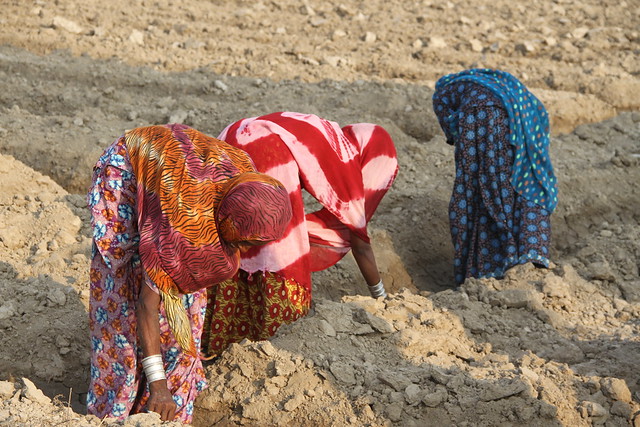 Due to the coronavirus pandemic, many people around the world lost have their jobs and are now facing financial hardship. The economic impact is projected to increase global poverty. This will be the first time since 1998 that the world sees an increase. Luckily, countries have been creating new job markets to aid the unemployed and fight poverty levels. A new market of jobs in Pakistan has been created for those laid off because of the coronavirus: tree planting.
“10 Billion Trees Tsunami”
In 2018, Pakistan started a campaign called the “10 Billion Trees Tsunami” program. The project goal: to plant more trees and fight against deforestation. Additionally, this program will help the environment. Jobs in Pakistan have already been affected by the pandemic, and it is projected that as many as 19 million people will be laid off due to COVID-19. To combat this, Pakistan started employing those who lost their jobs because of the virus to plant trees as a part of their “10 Billion Trees Tsunami” program. Though this program was not specifically created for those who lost their jobs due to the pandemic, it is greatly helping those who did. These new laborers have been dubbed “jungle workers.” This program aims at creating more than 60,000 jobs as a way to help citizens and the economy and fight against climate change. In order to help as many citizens as possible during this devastating time, the program has tripled the number of workers hired.
These jungle workers are mostly seen in rural areas. Hiring is aimed primarily at women, unemployed daily workers and those who are from cities in lockdown. A large portion of the workforce is also made up of young people. As tree planting does not require much past experience, many unskilled workers are still able to be employed during this harsh economic period. There are still strict precautions in place for those working, such as having to wear a mask and continuing to keep a social distance of 6 feet while working.
Relief for the Unemployed
The program’s creation of new jobs in Pakistan allows its citizens to continue making enough money in order to provide for their families. A construction worker named Abdul Rahman lost his job when the coronavirus struck and began to face financial instability. Once employed as a jungle worker for the “10 Billion Trees Tsunami,” he was able to start providing for his family again. In an interview with the Thomson Reuters Foundation, Rahman said “Due to coronavirus, all the cities have shut down and there is no work. Most of us daily wagers couldn’t earn a living.” Rahman is now earning around ₹500 a day, which translates to about $3. Though this payment is about half of what he would have made on a good day as a construction worker, he says it is enough “to feed our families.”
Pakistan’s Positive Example
Through this program and its employment of more citizens, Pakistan is taking a step towards rebuilding its economy and aiding poor citizens. The project aims at having planted 50 million trees by the end of this year and, with the addition of more workers, this goal is achievable. The presence of such jobs in Pakistan is an example of hope during this time and, as the economy improves, Pakistani citizens can earn living wages and the environment reaps the benefits.
– Erin Henderson
Photo: Flickr
