Top 7 Facts About the Maternity Crisis in Sierra Leone
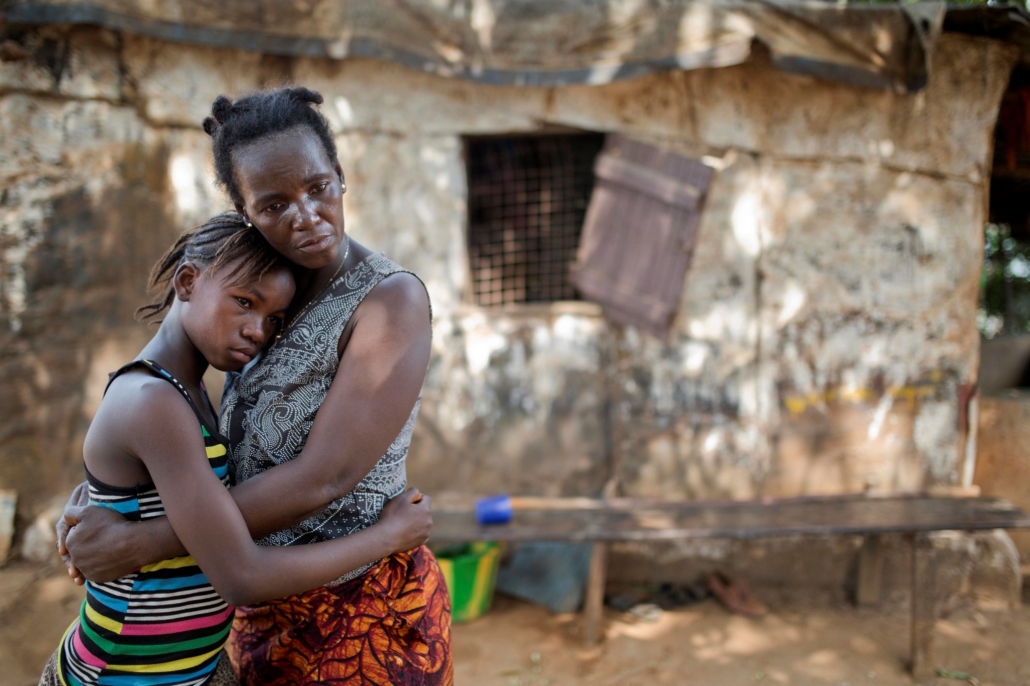
There is a maternity crisis in Sierra Leone. The country has the highest maternal death rate in the world, with one in 17 women dying from pregnancy or birth complications. This number could be even higher, as Sierra Leone’s 2017 Maternal Death and Surveillance Report estimated that seven in 10 maternal deaths go unreported. Below are seven facts about the maternity crisis in Sierra Leone.
Top 7 Facts About the Maternity Crisis in Sierra Leone
- The Majority of Maternal Deaths are Preventable: The top causes of maternal death in Sierra Leone are bleeding, pregnancy-induced hypertension, infection and unsafe abortions, all of which are preventable through adequate medical treatment, according to the World Health Organization. Bleeding is a particularly difficult problem for under-served rural areas where mothers do not have access to health care facilities. Another issue facing mothers is infrastructure. People poorly maintain many roads between towns and clinics and these make for a difficult journey for sick and laboring women. Again, road maintenance is a simple problem that can help reduce maternal death in Sierra Leone.
- The Majority of Mothers are Under 20: One hundred and twenty-five out of 1,000 mothers in Sierra Leone are under age 20 according to a 2017 United Nations Population Fund (UNFPA) study. Maternity in Sierra Leone is particularly dangerous for adolescent mothers and 20 percent of maternal deaths in Sierra Leone were among teenagers. Beyond maternal death, pregnant teenagers in Sierra Leone lose out on life prospects – a 2015 law banned pregnant girls from attending school, and parents describe teenage pregnancy as the “ultimate shame” for a family.
- The 2014-2015 Ebola Crisis Halted Progress: Before 2014, Sierra Leone was making progress in reducing maternal death – from 2000 to 2015, maternal deaths dropped by 4.4 percent. However, the Ebola epidemic caused an immediate increase in maternal death through 2015. Sierra Leone planned to meet many Millennium Development Goals by 2015, but the May 2014 Ebola outbreak reversed progress, particularly in maternal health. Not only did Ebola put a strain on general health care in Sierra Leone, but it also dramatically reduced the number of health care workers in the country. A 2016 World Bank report estimated that maternal death could increase by 74 percent due to the extreme shortage of health care workers in the country.
- Programs for Maternity Care Still Need Funding: There is a dearth of doctors in Sierra Leone. For example, in the district of Bonthe, there are nine doctors for 220,000 patients and only 44 percent of births receive support from a nurse or midwife. Unfortunately, between the civil war from 1991 to 2001 and the 2014 to 2015 Ebola outbreak Sierra Leone, the burgeoning health care system in Sierra Leone lost momentum. The E.U., the U.N. and UNICEF have all devoted funds to maternity in Sierra Leone in addition to Partners in Health and other nonprofit organizations. Donations are critical to moving forward with maternal health.
- Sierra Leone’s Government has Committed Itself: President Julius Maada Bio announced in October 2019 that Sierra Leone increased its health budget from 8.9 percent to 11.5 percent of the country’s national budget to help combat dangerous maternity in Sierra Leone. On October 18, 2019, Sierra Leone opened a $1.6 billion maternity facility in Freetown to better serve the country’s largest city. Sierra Leone also launched a free health initiative in 2010 to help improve pre- and post-partum care. The government’s goal for maternity in Sierra Leone is to meet Millennium Development Goals by 2030, reducing the global maternal mortality ratio to less than 70 per 100,000 live births.
- Nonprofits are Deeply Involved: Multiple nonprofit organizations, including UNICEF, Partners in Health and the Borgen Project have covered issues with maternity in Sierra Leone. Partners in Health has been particularly successful, building a maternal waiting home and opening a health clinic in Kono in 2018. UNICEF provided safer water for mothers to help with illness and sanitation. These nonprofits prove that the crisis is not insurmountable.
- Celebrities are also Getting Involved: In October 2019, vlogbrothers, run by Hank and John Green, pledged $6.5 million to Partners in Health as part of his family’s initiative to bring awareness to maternity in Sierra Leone. John Green discussed how he traveled to Sierra Leone and saw first-hand the lack of hospital electricity, medical equipment and transport. He praised the efforts of the Partners in Health in developing a large-scale hospital system and making systematic changes and he asked anyone who can donate to do so. Currently, the vlogbrothers have a goal of $240,000 per month in donations – so far, they have approximately $194,000. The vlogbrothers are also providing updates on their donations and work with Partners in Health in Sierra Leone.
Motherhood should not be a gamble. Families around the world deserve to look forward to pregnancy and birth and not feel distressed. Multiple organizations are pushing for progress, but more is necessary. Support in any form, from awareness to donations, can only help the crisis of maternity in Sierra Leone.
– Melanie Rasmussen
Photo: Flickr
