Dams and Malaria: How They are Linked
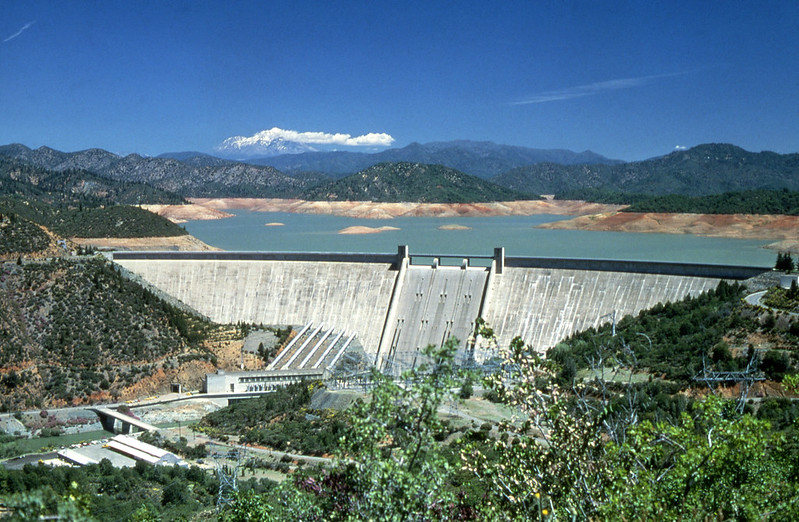
Despite the fact that malaria transmission rates have decreased by more than 40 percent since 2000, the morbid disease still affects a large number of people on the African continent. According to WHO, an estimated 219 million cases of malaria occurred in 2017 and a disproportionate 92 percent of these cases happened in Africa. Of these numbers, people can attribute at least 1.1 million cases to dams.
The Relationship Between Dams and Malaria
Mosquitoes tend to lay eggs and reproduce in shallow pools of water or somewhere in the near vicinity. Thus, water is a key component in the spread of malaria. The erection of dams creates a multitude of shallow pools along the edges of the water base that provide ideal situations for mosquitoes to nest. This increases the prevalence of malaria and the susceptibility of individuals to malaria.
A study published in the Malaria Journal found that the slope of the shoreline was the most determining factor of a rise in malaria for areas that had dams. Since mosquitoes like to breed in shallow pools of water that do not connect to a larger, main body of water, the shoreline around a dam is a prime location that meets these requirements. The more inclined a slope is, the more water drains out. This means that static pools of water are unable to form, which in turn means that mosquitoes do not find areas of the steep slope to be habitable.
Due to factors like this, not all dams are likely to increase malaria. Reservoirs that have steeper slopes pose a smaller risk of increasing the spread of malaria. For example, the climate and geography at a dam site, temperature fluctuations, elevation and amount of rainfall, also influence the spread of malaria near reservoirs. Thus, the continual study of the relationship between dams and malaria can lead to further identification of factors that increase the risk of spreading disease.
Solutions
Similarly, development planners must carefully select dam sites so that economic growth and electricity generation do not compromise the well-being of a local population. Increasing awareness through activism could see a more informed class of development planners take more calculated and careful approaches to dam construction. Indeed, a greater exchange of knowledge between local populations, journalists, researchers and policymakers is necessary to see increasing benefits and minimization of negative impacts.
This is arguably more important now than ever. As of 2015, 18.7 million Africans reside within five kilometers of dam reservoirs. Policymakers must take measures to ensure that quality of life does not deteriorate for those living near artificially constructed reservoirs. The relationship between dams and malaria is a critical nexus that can inform the implementation of less detrimental policies by those who are in a position to make such a policy.
– Evan Williams
Photo: Flickr
