10 Facts About Child Labor in Sierra Leone
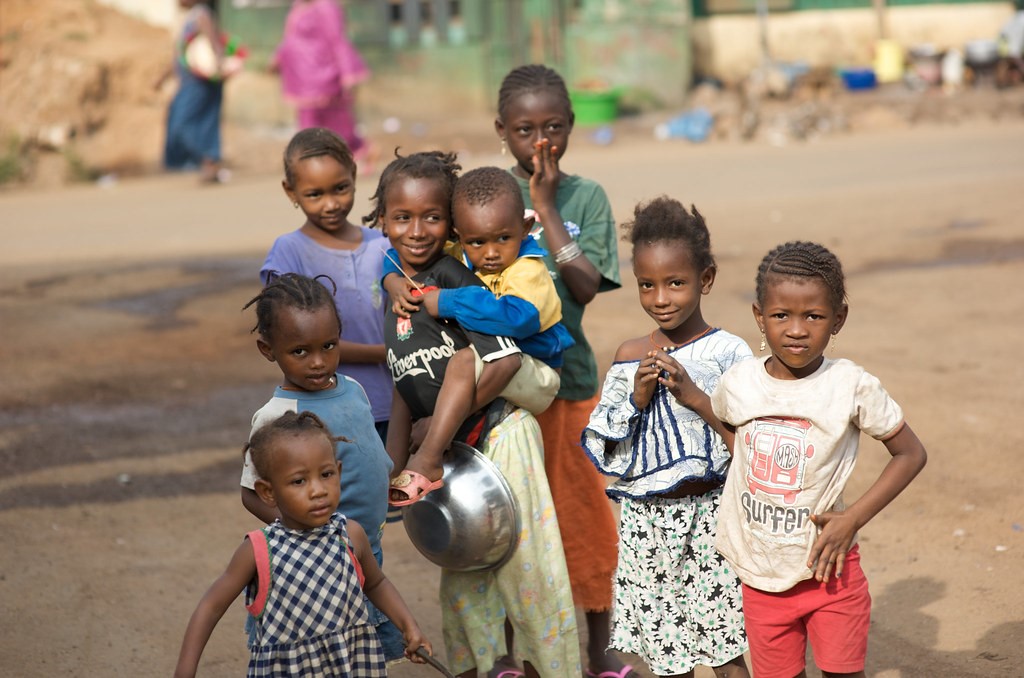
Child labor is defined as work that harms children mentally and physically and deprives them of their childhood. Child labor is illegal in many countries, but some countries have found loopholes in their legal frameworks which enables the use of children in some of the toughest work environments. Sierra Leone‘s minimum employment age is 18, but it lacks the ability to enforce its laws. Here are 10 facts about child labor in Sierra Leone.
10 Facts About Child Labor in Sierra Leone
- Child labor affects 72 percent of children in Sierra Leone making the grand total almost 900,000. The children are between the ages of five and 14, and most are young boys. Employers put them to work in alluvial diamond mines and tunnels, which the world knows as the blood diamond industry. They often work in the agricultural industry harvesting coffee, cocoa and palm oil as well.
- Since the majority of parents cannot afford to send their children to school due to distance, costs of school uniforms and books, teen pregnancy or fear of sexual abuse from teachers, some parents put their children to work in mines, plantations and farms. In worst-case scenarios, parents may even sell their children into child labor because of poverty.
- Children working in diamond mines typically only make $0.15- $0.60 per day if they do not have a contract. If an employer does contract them, a child’s limit is $2.10 per day. They do not fare well as rebel groups own most of these mines and they threaten children with violence if they do not work.
- Pools of muddy sludgy water or puddles infest most diamond mines which attract mosquitos carrying deadly mosquito airborne diseases such as malaria. The potential medical complications for these children do not stop there. Many suffer respiratory issues, malnutrition, starvation, headaches, eyestrain, dysentery, dehydration, diarrhea, cholera and sexually transmitted diseases from their involvement in the fishing and mining industries, and sexual exploitation.
- The amount of child trafficking, sexual abuse and rape in Sierra Leone has provoked President Julius Maada to declare that Sierra Leone is in a state of emergency. In 2018, people reported 8,500 instances, and a third of these cases involved minors. Sierra Leone’s First Lady and other activists have suggested that that number may be higher because people do not report all instances.
- Sierra Leone’s economic growth heavily depends on diamond mining, which amounts to approximately half of its international exports.
- In the year 2013 and 2014, Tulane University’s study determined that there was a 51 percent rise in the illegal use of children working in the cocoa industry. Child labor drives the cocoa industry not only in Sierra Leone but also Cameroon, Guinea and Ghana. Some industry members claim that approximately 99.5 percent of child labor happens because of families rather than large corporations.
- Many disadvantages plague the process of bringing perpetrators to justice. Once a case enters to the criminal justice system for further exploration, they do not resolve. In 2017, Sierra Leone’s government identified 34 victims of sex trafficking and it did not bring the culprits forth to justice.
- The National Child Rights Bill has been working hard since 2007 to exterminate child trafficking, early marriages for children and enlistment in armed forces to name just a few. It has done this by providing a framework for how to care for children.
- Children enlisted in labor often emerge with psychological illnesses due to danger and abuse. Mental disorder is often associated with disgrace or dishonor in Sierra Leone which affects all child laborers seeking help or guidance. Lawfully adequate mental health care services are tremendously scarce resulting in a 99.8 percent treatment gap.
Hope for Lives
Ending child labor in Sierra Leone will take more than just a village. Thomas Bobby Smith, a Sierra Leone native, founded Hope for Lives, a successful nonprofit. This organization delivered seven donated hematology and immunoassay machines to a local clinic and installed them. In 2013, it revealed the Hope for Lives Library at St. Anthony’s Primary School in Sierra Leone’s capital, Freetown. The library included 15-20 computers, open to 3,000 students upon fair rotation. It also offered constant computer lessons taught by a tech leader and computer and printing services for public use. Hope for Lives is doing all it can to give Sierra Leone’s children and youth options for success. Thomas Bobby Smith kept his momentum strict and faithful by sending another 50 computers to Sierra Leone’s remote areas in hope of creating successful computer labs.
The implementation of the National Child Rights Bill and work from Sierra Leone’s very own President, Julius Maada, are making strides to end child labor. Organizations like Hope for Lives should help revitalize the spirits of children and youth as well.
– Niesha Braggs
Photo: Flickr
