8 Facts About Life Expectancy in Senegal
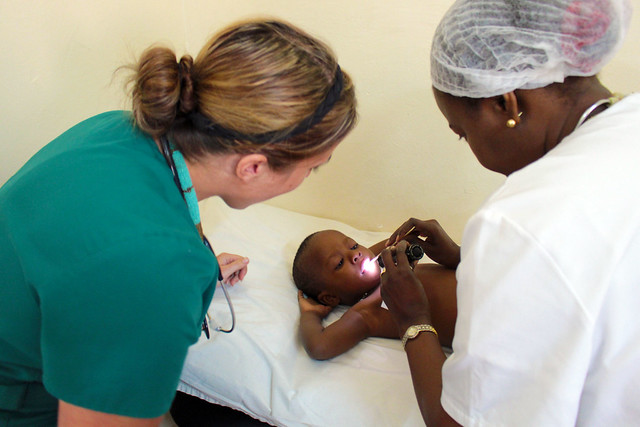
The Republic of Senegal is a country on the West African coast bordered by Mauritania, Mali, Gambia and Guinea-Bissau. Around 46.7 percent of Senegal’s 15.85 million residents live in poverty. Today, life expectancy at birth in Senegal is 67.45 years, representing a significant improvement from 39.24 years in 1970 and 59.7 years in 2000. Many factors contribute to a country’s life expectancy rate including the quality and access to health care, employment, income, education, clean water, hygiene, nutrition, lifestyle and crime rates. Keep reading to learn more about the top eight facts about life expectancy in Senegal.
8 Facts About Life Expectancy in Senegal
- Despite decades of political stability and economic growth, Senegal is ranked 164th out of 189 countries in terms of human development. Poverty, while decreasing, remains high with 54.4 percent of the population experiencing multidimensional poverty. The World Bank funds programs in Senegal to reduce poverty and increase human development. This work includes the Stormwater Management and Climate Change Adaptation project which delivered piped water access for 206,000 people and improved sanitation services for 82,000 others. Additionally, the West Africa Agricultural Productivity Program helps cultivate 14 climate-smart crops in the area.
- Senegal’s unemployment rate has substantially decreased from 10.54 percent in 2010 to 6.46 percent in 2018. This is a positive trend; however, 63.2 percent of workers remain in poverty at $3.10 per day showing that employment does not always guarantee financial stability. To help the most vulnerable 300,000 households, Senegal has established a national social safety net program to help the extremely poor afford education, food, medical assistance and more.
- The maternal mortality rate continues to decrease each year in Senegal. In 2015, there were 315 maternal deaths per 100,000 live births compared to 540 deaths per 100,000 live births in 1990. Maternal health has improved thanks to the efforts of many NGOs as well as the national government. Of note, USAID has spearheaded community health programs and launched 1,652 community surveillance committees that provide personalized follow-up care to pregnant women and newborns. In 2015, trained community health workers provided vital care to 18,336 babies and conducted postnatal visits for 54,530 mothers.
- From 2007 to 2017, neonatal disorder deaths decreased by 20.7 percent. This is great progress, however, neonatal disorder deaths are still the number one cause of death for children under the age of 5 in Senegal. The World Health Organization (WHO) provides technical and financial support to establish community-based newborn care, including Kangaroo Mother Care programs. This low-cost and low-tech intervention has reduced the risk of death for preterm and low-birth-weight babies by 40 percent and illness by 60 percent. With financial help from UNICEF, 116 health workers have been trained in 22 health centers and seven hospitals. The long-term goal is to have Kangaroo Care introduced to 1,000 health centers across Senegal.
- Senegal has been lauded as an African leader in the fight against malnutrition. Notably, from 2000 to 2016, undernutrition declined by 56 percent. Improvements in the health sector, making crops more nutrition-sensitive and helping increase crop yields have been major contributors to recent nutrition success.
- Despite progress, hunger is still a major issue in northern Senegal. Successive droughts have left over a quarter of a million people food insecure. In the district of Podor, rains have decreased by 66 percent from 2016 to 2017. Action Against Hunger is working to keep cattle, which is the main sustenance source for thousands of shepherds, from dying in the drought by funding new drinking troughs. This will benefit 800 families in Podor. Action Against Hunger also covers monthly basic food expenses for 2,150 vulnerable households to prevent further increases in acute malnutrition.
- There is a high risk of waterborne diseases in Senegal. Diarrheal diseases are the third leading cause of death. The Senegalese Ministry of Health has recently adopted the WHO diarrhea treatment policy of zinc supplementation and improved oral rehydration therapy. This is a life-saving policy that is taking effect around the country.
- Around 41 percent of children aged 6-11 in Senegal are not in school. The largest percentages of out-of-school children are the poorest quintile and rural areas. To increase school enrollment, the government and USAID are making efforts to increase access to school facilities in rural areas and support poorer families with cash transfers through the social safety net. USAID is working to ensure that all Senegalese children, especially girls and those in vulnerable situations, receive 10 years of quality education. The agency has built schools, supported teacher training, increased supplies of books and access to the internet and increased opportunities for out-of-school young people. Since 2007, 46 middle schools and 30 water points have been built and equipped.
These eight facts about life expectancy in Senegal have shown that the combined efforts of nonprofits and the Government of Senegal are making real progress on many fronts that contribute to life expectancy. These efforts must continue and intensify to reduce poverty and increase life expectancy in Senegal.
– Camryn Lemke
Photo: Flickr
