The Safety and Ethics of Tourism in Myanmar
Tourism in Myanmar has become a concern following the recent Rohingya crisis. Tourists and tourism organizations are debating whether it is safe or ethical to travel to the nation. But beyond the political issues, it is clear that tourism can benefit Myanmar‘s communities. In order to ensure tourism will have a direct, positive impact on the people of Myanmar, it is crucial for the tourism industry to employ local Burmese. Additionally, tourists can educate themselves about what they can do to help improve the livelihoods people in the regions they are traveling to.
While many have considered a boycott of Myanmar due to the state’s violence toward the Rohingya, the benefits of tourism for local communities are too important to lose. Liddy Pleasant, the managing director of Stubborn Mule Travel, says avoiding tourist travel to Myanmar would have a “profound impact on local people.”
As the problem itself is political, a boycott of tourism to Myanmar would likely only hurt local populations without affecting the country’s leadership. Furthermore, many primary tourist sites are located far from the areas where the persecutions of Rohingya are happening, meaning the tourism economy does not support these efforts. It also means that tourists should not feel unsafe traveling to Myanmar.
Boosting Tourism in Kayah State
Currently, most tourism in Myanmar is to six main regions: Bagan, Inle Lake, Yangon, Mandalay, Kyaikhto and Ngapali Beach. According to the International Trade Centre, expanding tourism to other regions of the nation could help those areas benefit economically. One target area is Kayah, a state in eastern Myanmar. As one of the poorest states in the country, ITC started working on increasing tourism in Kayah with the Ministry of Hotels and Tourism, Union of Myanmar Travel Association, Myanmar Ministry of Commerce and Myanmar Tourism Marketing in 2014.
In building the tourism industry in Kayah, the main goal is to enrich local people and businesses. Working with a variety of Kayah’s residents — including the youth, the elderly and people from various ethnic backgrounds — companies have started offering cultural tours. The Kayah tourism sector primarily employs local residents as guides for cultural tourism. In particular, these companies offer opportunities for ethnic minorities, many of whom have recently returned to the country after being displaced.
Overall, the work in Kayah provides a model for how all tourism in Myanmar should develop, focusing on providing job opportunities, particularly in low-income areas. The project has had success in growing tourism to the region, with tourism increasing by 140 percent between 2014 and 2016. As the tourism sector in Kayah continues to grow, perhaps companies can extend similar efforts to other parts of Myanmar, thereby benefiting impoverished Burmese.
Tourist Considerations and Responsibilities
Ideally, all tourism sites would have a positive impact on the local population. Therefore, tourists need to make the effort to educate themselves on the areas they are traveling to if they want to support local communities and businesses.
One consideration is respect for the culture. Due to religious beliefs, men and women should dress appropriately while in Myanmar. This generally involves wearing pants and covering the shoulders and upper arms. It is also important to communicate with locals, asking them questions about their culture and trying to learn about their way of life.
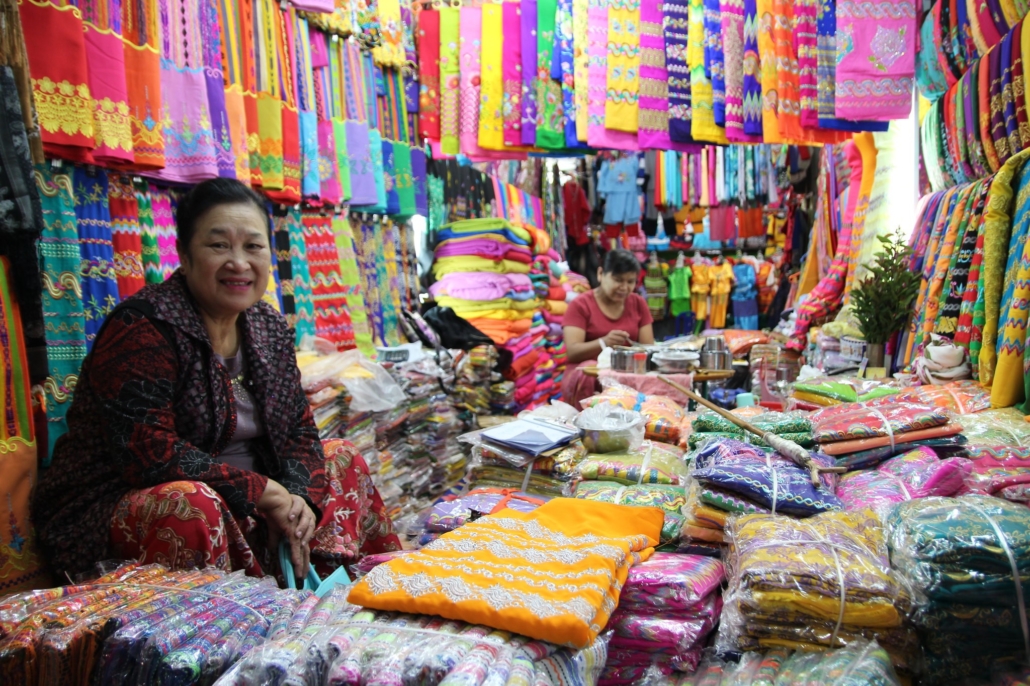
If there are concerns about financially contributing to the government of Myanmar, the solution is to go local by shopping at markets, eating in local restaurants, hiring local tour guides and purchasing craft products made by local Burmese. This is the primary way that local communities benefit from tourism and can have a direct impact on the livelihoods of people tourists come into contact with.
Tourists should also take care not to contribute to the abundance of waste Littering is a huge problem caused by tourism in Myanmar. Garbage builds up on riverbanks, turning them into landfill sites. The nation is currently struggling to keep up with waste disposal. In general, minimize waste. In some cases, it may be better to take items back home with you and dispose of them safely.
Overall, the tourism sector in Myanmar needs to continue so the people of the country can economically benefit. Meanwhile, tourists can educate themselves about the political situation in Myanmar and decide for themselves whether they feel it is right to travel there. If they do, it is important to focus on supporting local communities and businesses to positively impact the livelihoods of many.
– Sara Olk
Photo: Flickr
