The Economic Effects of Tourism on World Heritage Sites
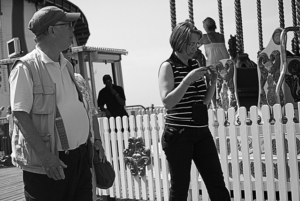
Chew Jetty is a small town in Malaysia’s George Town that achieved Unesco World Heritage status in 2008. On Penang Island, the town contains wooden piers that used to belong to a bustling seafront hub and represents the vitality and dynamic nature of one of the last intact bastions of Malaysia’s old Chinese settlements. After World War II and Japanese occupation, the piers decayed immensely until the settlement’s economy was hardly able to sustain itself. In a final attempt to preserve the economy and the once-vivacious settlement, the town made a bid to Unesco for protection.
Chew Jetty Tourism
When Chew Jetty was awarded World Heritage status, the change was not at all what the residents had expected. Two of the clan enclaves had been demolished to create new housing complexes. Additionally, flocks of tourists infiltrated historical homes, vendors installed flashy commercial stalls and encroaching developers urged locals to alter important structures to make room for new developments. Suddenly, Chew Jetty’s status as a Unesco World Heritage site attracted thousands of tourists by the boatload, effectively uprooting the culture and traditions once held sacred to the old Chinese settlement.
And yet, receiving its status as a World Heritage site seemed to be the only measure of action that prompted Chew Jetty out of its declining economic state. Therein lies the dichotomy in in Unesco’s attempt to benefit economies and its detrimental effect on the local population.
Anti-Tourism Conundrum
This anti-tourism sentiment can be seen worldwide. In 2017, local communities in Venice and Barcelona gathered together in an outburst of anti-tourism marches, complaining about rising rents, overcrowding, and the increase in pollution due to cruise ships. Local residents and activists are demanding authorities to alter the management of tourism, as it has significantly altered their normal daily lives and actually increased the cost of living for them.
At first glance, the influx of tourists is interpreted as an increase in the tourist economy and consequently an increase in the state economy. However, upon a further breakdown of this effect on the locals of any given city, the influx of tourists increase costs and overcrowding, making living conditions more difficult and less affordable for local residents. This could, in turn, actually increase poverty rates among the citizens who once inhabited these locations.
World Heritage Sites
There are 1,052 World Heritage sites across the world, and most of these locations struggle with the same conflict of striking a balance between tourism and the preservation of culture. Several organizations, including Unesco itself, have been working towards a solution to this problem. The World Tourism Organization (UNWTO) has stated that the goal should not be to limit the number of tourists visiting these cities, but rather to better manage the flow of tourism by perhaps redirecting them away from main city centers and city attractions and formulating a more sustainable form of tourism.
Additionally, the Unesco World Heritage Tourism Program has identified the adverse effects of tourism on World Heritage sites and is making active efforts to thwart the increasingly adverse effects of tourism on the local population. For instance, the Program is implementing appropriate tourism management workshops for its annual conventions and adopting a new set of standards and principles relating to sustainable tourism at World Heritage sites.
While there are negative socio-cultural and economic effects on World Heritage sites, there are several movements that are working together to bring a more sustainable form of tourism and enhancement of a city’s economy without sacrificing the well-being of the locals.
– Shefali Kumar
Photo: Flickr
