Seven Ways to Provide Water for Developing Countries
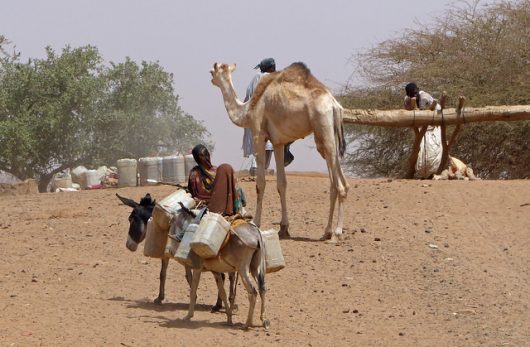
What’s the problem with water? It’s scarce, and is deficient for more than 844 million around the world. One in nine people on the globe lack access to water, but the problem isn’t just supply and demand — it’s miseducation and mismanagement.
The old saying goes, “Give a man a fish and he eats for a day. Teach him to fish and he eats for a lifetime.” In economically and socially challenged countries, governments and people lack the knowledge and skill to properly tap into and manage resources like water supply. Water.org and the United Nations are great allies for suffering nations, but education is key. Here are a few ways to help developing nations solve their water problem.
7 Ways to Provide Water for Developing Countries
- Rainwater Harvesting: By the year 2020, UNESCO predicts a worldwide water shortage; but for developing countries, this shortage is now. A unique way to teach these nations water salvage and management is through rainwater harvesting. Rainwater harvesting means capturing, diverting and storing non-potable water for later use.In Cameroon, harvesting rainwater saves dozens of lives daily, suppressing cases of cholera caused by unsafe flood waters. Gathering rainwater works in a four-part process — either active or passive. Active harvesting addresses the needs of human life, wildlife and irrigation. Passive is more for green life — landscape and gardening.
The passive process follows the same process with the exception of treatment and usage, and addresses the survival of plant and soil life. The Active Process, on the other hand, involves the following steps:
- Collection – Catch rainwater on a surface like a roof and then directing it into a storage container.
- Storage – Depending on the size of the populace (city/town), this step involves clean barrels, tanks and/or reservoirs to catch as many gallons of water as possible.
- Treatment – The screening of water for debris and bugs via the use of fine mesh or cloth to help sift waste and rubbish from the water. Boiling the water for a few minutes prior to use kills disease and parasites in the water.
- Usage – Uses smaller cisterns for distribution, and it’s imperative to use only what one needs.
- Recycle Grey Water: Safe drinking water isn’t the only concern. There is a scarcity of water for bathing and sanitation. Recycling is one of more ways to provide water for developing countries. Recycling water helps with water conservation and management. Grey water is leftover gently used water from baths, laundry and cooking, and if kept free from feces, filtered grey water is safe for reuse.
- The SODIS Method: Discovered in the 1980s by Lebanese scientists, the SODIS method is an inexpensive way to bring clean water to poor countries. SODIS, also called Solar Water Disinfection, works by sitting a PET bottle filled with clear water in the sunlight for hours. The process reduces viruses, bacteria and diarrheal diseases in the water.
- Dew and Fog Harvesting: Dew and fog are alternative sources of freshwater, and harvesting both requires little to no expense. The process is simple: hang harvesting nets vertically to catch fog droplets and make them flow down into a reservoir. The mesh catches debris, keeping the water clean for multiple uses.
- Draw Water from the Air: Developing governments can supply water to their nations by harvesting water from humid air. Atmospheric Water Generators, created by Watergen, generate water from thin air. This method involves dehumidifying clean air through a heat exchange system. The heat cools the air and concentrates water vapor, which then gets stored in an internal tank until it’s ready for use. Atmospheric Water Generators (AWGs) are energy efficient and low-cost.
- Desalination: Salt makes up 95.6 percent of the Earth’s water; unfortunately, someone from a developing nation can’t walk down to the seashore and quench their thirst. Desalination offers hope by turning salt water into fresh water. This technology doesn’t shy away from cost, but with help from organizations like Ride4Water, poor countries can produce more fresh water for consumption and sanitation from its saltwater counterpart.
- Lifestraw: Lifestraw helps make contaminated water safe to drink and is a method of bringing potable water to undeveloped nations. Introduced in 1994, this unique technology uses a cloth filter to block contaminating diseases, making water secure to drink.
There are numerable ways to provide water for developing countries. These options speak directly to governments seeking solutions to providing water to their nations while enlisting the help of other organizations.
– Naomi C. Kellogg
Photo: Flickr
