Medellín: From Pablo Escobar’s Home to Top Tourist Destination
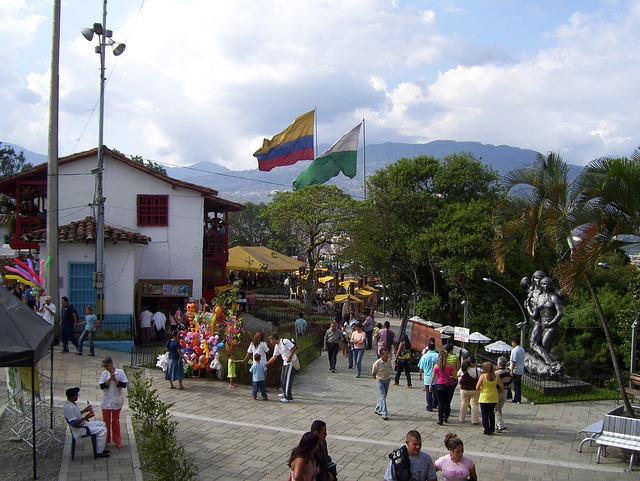
In 1993, Colombia had the highest homicide rate in the world at 420 per 100,000 people, making it one of the most dangerous countries in the world. Medellin was said to be the most dangerous city in Colombia during this time, but has gone through great changes in the past two decades. Medellín’s transformation is an inspiring model for many cities previously affected by violence and war.
Danger of Medellín
In the 1980s, Medellín was considered to be one of the most violent cities in the globe. In fact, TIME Magazine named Medellín the most dangerous city in the world due to the high crime and murder rates in 1988.
At the time, Medellín was home to Pablo Escobar’s cartel and cocaine empire. There was a lack of government control of the city and crime rates exponentially increased. Additionally, the nation was also affected by the internal conflict between Colombia and the internal guerilla groups. In 1991, the city experienced 6,349 killings, bringing its annual rate to 181 per 100,000 people.
Transformation of Medellín
Since then, the city has put in place many violence prevention programs, invested in social entrepreneurship, created effective public transportation, transformed public spaces and improved some of the worst neighborhoods severely affected by the internal war.
In the past 20 years, homicide rate has been cut by 95 percent and the poverty rate by 66 percent. Now, the annual rate of killings per year is fewer than 50 per 100,000 people and it contributes more than 8 percent of Colombia’s GDP, as its second largest city.
Forty percent of Colombia’s exports now come from Medellín. Additionally, 9 out of the top 50 medical facilities in the Americas are located in Medellín. In 2012, Medellín was even named the most innovative city in the world by the Urban Land Institute. Medellín’s transformation began with its public transportation system. The first metro ride in Medellín took place in 1995, and since then, it has become the most effective public transportation system in Colombia.
Transportation in Medellín
Additional lines were added and the cable car were built in the 2000s. The transportation project in Medellin connected the entire city, including slums previously neglected by the government. Additionally, escalators were built to facilitate access for people in the slums — citizens in areas such as Comuna 13 used to walk 1,300 feet, but due to the transportation advancements, they came to experience further integration with surrounding areas.
Such developments allowed many living in poor areas outside of the city to take on jobs in the city center, and shortened the commute time for all people in Medellín. To this day, the metro and its stations are still very clean, safe and well maintained within the city.
Social Entrepreneurship and Social Change
Medellín’s transformation is also largely due to its investment in education and social programs. Medellín is known for its investment in social entrepreneurship. A part of revenues earned by the city is invested in organizations such as Ruta N, which work to promote social innovation and technological development.
People in poor areas are also encouraged to start their own businesses, shop, or cafe; such business endeavors are facilitated by entrepreneurial development centers that provide cheap credit loans. Medellín’s transformation ignited economic growth and rapid change for the city by becoming an international hub for business, innovation and tourism.
Such developments have shown that areas affected by violence can change for the better through investment in urban development and innovation.
– Luz Solano-Flórez
Photo: Pixabay
