10 Facts About Poverty in Lagos
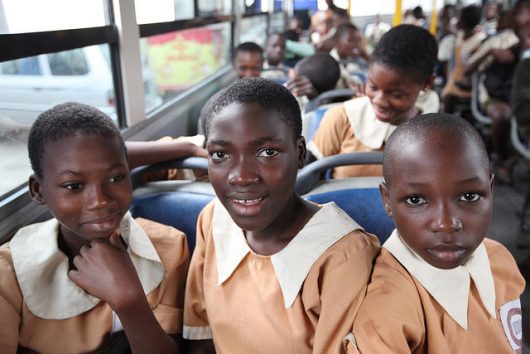 Lagos, Nigeria is the fastest-growing city in the world, set to become a megacity by 2020. However, with its booming growth comes an underlying pang: millions suffer in poverty. Just how many, what caused so many to go hungry, and what is being done about it? Here are ten facts about poverty in Lagos.
10 Facts About Poverty in Lagos
- Nigerian statistics report that 8.5 percent of the near 21 million people living in Lagos, Nigeria live in poverty — about 1.7 million people.
- Overpopulation is a major factor in the growing number living below the poverty line. Also referred to as the city that won’t stop growing, Lagos does not have sufficient economic opportunities for the thousands of people who relocate there weekly. There is a shortage of jobs and housing.
- Government corruption and greed add to poverty concerns in Lagos. In 2017, it was reported that police officers raided the town of Otodo-Gbame, leaving thousands of poor Nigerians homeless. The raid was part of deals made with wealthy investors who desire more waterfront land. Instead of lifting the poor from slums in Lagos, wealthy investors are bulldozing waterfront slums to build high-rises and luxury hotels.
- The growing homeless population continues to fuel poverty in Lagos. Some 300,000-plus Nigerians are homeless in the growing city, mostly due to state-ordered demolitions and lack of space.
- According to Justice and Empowerment Initiatives Nigeria, 65 percent of the people living in Lagos are urban poor who live in slums and settlements.
- Thousands of poor residents in Lagos lack access to clean water. CNN reported a water crisis in Lagos which highlighted demand outweighing supply, some of the water never reaching households due to terrible water infrastructure.
- Millions lack access to roads, electricity and waste disposal, a result of being forced to live in slums and lagoons near locations that may hire them to work as domestic staff workers.
- Poverty leads to sickness and disease, both of which are common amongst those living in poverty in Lagos. According to the World Health Organization, from Jan. 1 to Apr. 15, 2018, 1,849 cases of Lassa fever were found in 21 states in Nigeria, with Lagos among them. This is a viral disease usually acquired from infected rat, and most sufferers live in areas where they don’t have access to hospitals or healthcare.
- Lack of education sparks poverty. Many families who live in slums and settlements cannot afford to send their children to school. As well, school facilities that offer quality education are not available for children who live in slum environments. If they are lucky enough to go to school, it’s a nearby meeting place, a small school building on the water where 100 pupils cram in to be taught by one teacher.
- Economic inequality has been an ongoing battle in Lagos for years. In an article concerning economic inequality in Lagos, it was reported that one could be looking at a mansion in close proximity to a slum. The Lagos government made claims it is fighting to create wealth in the midst poverty.
These facts skim the surface of the issues that are causing millions of Lagosians to live in poverty. However, they do shed light on issues that can be tackled with the right policies and aid.
In the meantime, the Lagos government is developing strategies to uplift all in Lagos. Governor Akinwunmi, through the N25 Billion Employment Trust Fund, plans to make more Lagosians self-employed, creating 300,000 direct and 600,000 indirect jobs by 2019.
As surety, the Lagos Ministry of Wealth Creation and Employment was created to encourage entrepreneurship by using strategies that create wealth. Lagosians are expecting to see a turnaround on poverty in years to come.
– Naomi C. Kellogg
Photo: Flickr
