Digital Finance is Empowering Women in Bangladesh
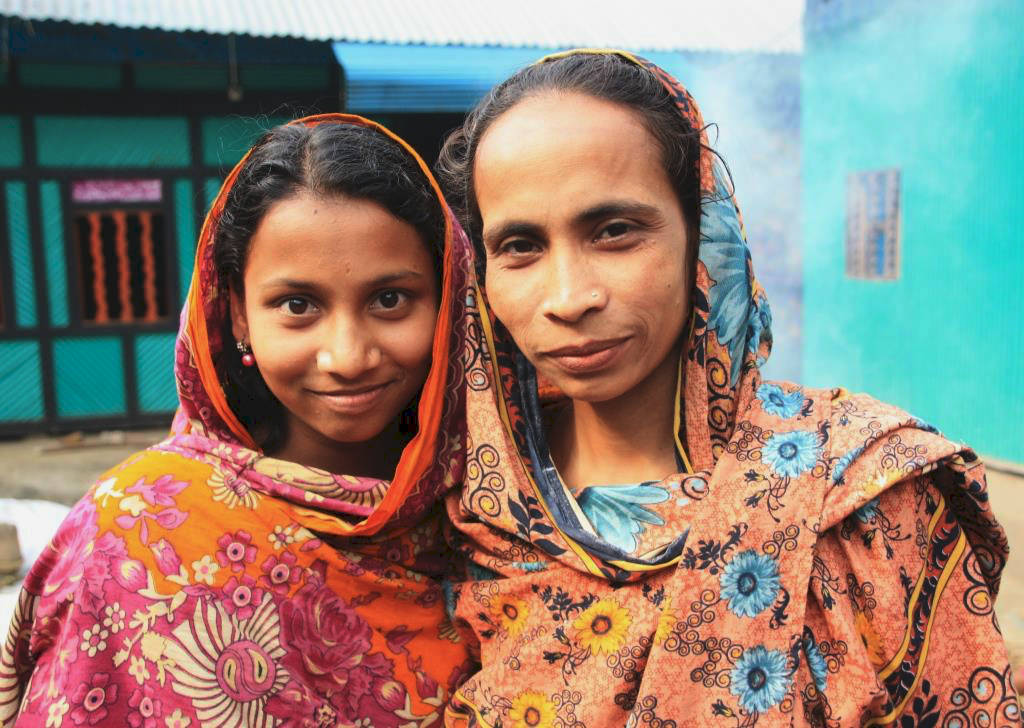
Recent innovation in digital finance is empowering women in Bangladesh by meeting their unique financial needs and capabilities. While 90 percent of Monetary Financial Institutions’ 21 million clients are women and 35 percent of Bangladesh women hold a bank account, women make up only 18 percent of digital finance users in Bangladesh.
Some of the barriers that hinder the inclusion of women in digital finance are low mobility, cultural barriers in male-dominated markets and English illiteracy incompatible with English-language phone menus. Women in Bangladesh also face low financial literacy, so they require guidance and training in order to benefit from increasingly more prevalent mobile-based platforms.
In addition, members of a typical household in low-income countries share one mobile phone. So, it makes sense that more than just having a registered mobile money account in her name is necessary in order for a woman to be financially included in Bangladesh.
Most low-income women in Bangladesh currently turn to insecure and informal saving mechanisms like keeping emergency funds stashed at home, buying excess stock for their business, using clay money boxes or working with neighborhood savings groups. This puts their savings at risk of loss due to natural disasters or theft. It is no wonder, then, that it is difficult for women to save money for their futures, to pay school fees, to attain loans and to afford healthcare and insurance.
Saving money is particularly important to women. In Bangladesh, since women are dependent on their male spouses to provide for their families, they lack a safety net if their husband dies or abandons them. This makes women more vulnerable to health risks and death than men.
One innovation through which digital finance is empowering women is the human-centered designs financial service providers have been developing that are more intuitive, easy-to-use and affordable. The Bangladesh Rural Advancement Committee, an organization devoted to alleviating poverty by empowering the poor, started a training program for women in remote areas to learn how to handle mobile money.
Some other efforts that address the digital inclusion gap are:
- Dutch-Bangla Bank Limited’s signing with 245 garment factories to distribute salaries to garment workers (mostly women) with accounts through agents, ATMs and client-initiated mobile transactions.
- The Asia Foundation’s new program that will assist women entrepreneurs in using digital financial services and in using e-commerce to reach new markets.
- Swosti’s new “mobile credit card” for depositing money and withdrawing emergency loans.
- Grameen Bank’s creation of the concept of microcredit to be used by low-income women.
Some potential improvements that have been suggested further demonstrate how digital finance is empowering women. Some of the propositions include promoting government transfers and increasing the access women have to registered accounts by changing identity requirements and allowing for one-to-one interactions with women agents and sales representatives to improve communication and prevent harassment.
Other suggestions include making additional banking services that improve financial security for women available such as loan payments, insurance and long-term savings. Digital savings accounts would enable women to save small amounts of money as frequently as they want. It has also been suggested to make use of various channels of accessing finances to simplify the interface of mobile finance platforms.
There are so many financial possibilities that digital finance can make possible for women in Bangladesh. By considering the barriers to financial inclusion, the country is well on its way to improving the lives of its women and their families.
– Connie Loo
Photo: Flickr
