Sightsavers Protects Vision in Developing Countries
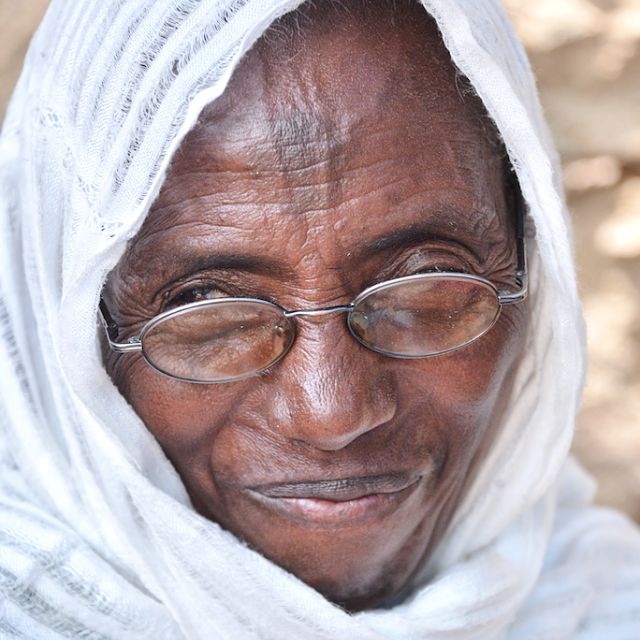 Over 90 percent of visually impaired people worldwide live in developing countries. Sightsavers partners with local entities to protect vision in developing countries from the Caribbean to Africa and Asia. The organization has treated over 200 million people for potentially blinding conditions.
To date, Sightsavers has facilitated seven million eye operations in 30 countries to prevent blindness. The organization has also trained almost 500,000 medical providers in eye care and has rehabilitated 91,000 visually impaired people.
Sightsavers specifically treats neglected tropical diseases (NTDs), cataracts and refractive errors that negatively affect vision in developing countries. The nongovernmental organization also advocates for disability-inclusive development.
Neglected Tropical Diseases
Over one billion people globally are impacted by neglected tropical diseases. Sightsavers targets five NTDs that affect eyesight – trachoma, river blindness, lymphatic filariasis, intestinal worms and schistosomiasis.
In 2016, the organization distributed almost 47 million treatments for river blindness. Further, it treated over 16.5 million people for intestinal worms and treated over 5.7 million people for schistosomiasis. Sightsavers aims to totally eliminate trachoma and lymphatic filariasis from its covered countries by 2020.
In 2016, Sightsavers and its partners distributed 154 million treatments for NTDs. Sightsavers facilitates initiatives that fight neglected tropical diseases in 29 developing countries.
Cataracts
Worldwide, 20 million people have lost vision due to cataracts. In some of the African countries covered by Sightsavers, 60 percent of cases of blindness are caused by cataracts.
Since the organization’s inception in 1950, Sightsavers has facilitated 6.6 million cataract surgeries. Furthermore, it has trained over 1,000 healthcare professionals to treat the condition. A child’s cataract surgery costs Sightsavers only $78.
Refractive Errors
Globally, 124 million people have untreated refractive errors like nearsightedness and astigmatism. Sightsavers has distributed almost three million pairs of eyeglasses in developing countries. Additionally, the organization trained 726 optometrists.
In 2016, Sightsavers’ School Health Integrated Programming (SHIP) initiative checked school-aged children in Cambodia, Ethiopia, Senegal and Ghana for poor eyesight. The program examined 57,400 children and provided 1,000 pairs of eyeglasses.
Advocacy
Worldwide, one billion people — 15 percent of the population — live with a disability. Eighty percent of disabled persons live in developing countries. In addition to protecting vision in developing countries through medical care, Sightsavers advocates for disability-inclusive development.
The organization’s “Put Us in The Picture” program has campaigned for incorporation of disabled persons in the development process since 2013. The initiative works to ensure that the needs of disabled residents of developing countries are considered in global development.
Sightsavers also advocates for equal access for disabled people to quality education and healthcare. The organization also works to ensure disabled people can find employment and participate in their political systems.
– Katherine Parks
Photo: Flickr
