6 Effective Health Innovations for Underdeveloped Areas
 Medical equipment can be very expensive, especially for hospitals and medical clinics in underdeveloped areas. While there are organizations that donate medical supplies to underdeveloped areas, the issue that arises with these donations is the lack of resources needed to run the equipment. Due to unreliable access to electricity and a lack of access to clean water, some equipment cannot be used or even sterilized. There are many companies that create inexpensively-made equipment which is just as effective as more expensive products. Here are six examples of health innovations for underdeveloped areas.
6 Effective Health Innovations for Underdeveloped Areas
- ReMotion – ReMotion is a very cost-effective and high-performing prosthetic knee for amputees. While it is being prepared for mass production around the world, its target is those who do not have access to more expensive models. An estimated cost of $80 per unit is exponentially cheaper than other prosthetic knees, which can cost upwards of $10,000.
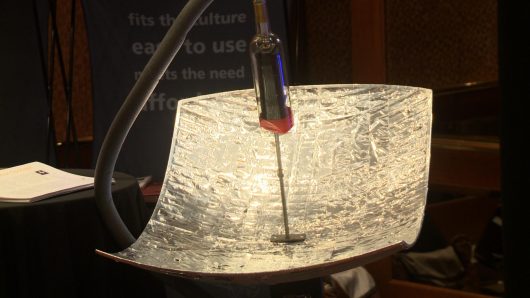
- Solarclave – Hospitals generally use an expensive device called an autoclave to sterilize medical equipment, which uses heat and pressure. However, these devices are impossible to get ahold of in underdeveloped areas, so MIT developed the Solarclave, which uses nothing but solar energy to sterilize equipment. It is easy to use and works in as little as one hour.
- The Komera – The Komera is an innovative and cheaply-made sanitary pad for women in the developing world. Through the use of banana tree fibers, pads can be created at a more affordable price through an efficient manner. These banana fibers can be acquired at an affordable price and turned into absorbent and fluffy materials for sanitary purposes.
- Pocket Colposcope – Cervical cancer screening is hard to come by in underdeveloped areas, due to the high costs and lack of infrastructure of poor communities. A preventive screening can cost upwards of $20,000 using the typical equipment. The purpose of the pocket colposcope is to significantly reduce the cost of cervical cancer screenings in underdeveloped areas. The device also makes it simple for people to use at the community level, while also being easy to clean and reuse.
- ReMeDi Solution – The ReMeDi Solution was created by a company called Neurosynaptic Communications. This company creates devices that are for portable use, including ECG machines, pulse oximeters, blood pressure monitors and many others. These devices are easy to integrate into hospital networks and are very versatile in how they work. By using ReMeDi Solution products as well as similar products, hospitals in underdeveloped areas can have access to quality equipment that works well in specific conditions.
- Wound-Pump – The Wound-Pump is a patent-pending device that is used for wound therapy. The Wound-Pump is a simplified negative pressure wound therapy (NPWT) device that makes it less expensive to care for wounds. NPWT devices speed up the process of wound healing, reducing the chances of people dying from open, uncleaned wounds. The Wound-Pump takes this technology and applies it, for similar healing at a more affordable price. Furthermore, the Wound-Pump does not require electricity to run and is extremely portable.
All of these health innovations have provided great support for hospitals and medical clinics in developing and underdeveloped areas at a much more affordable price than what was previously available. While the ultimate goal is to be able to use more expensive equipment, these medical innovations provide a solution to improving healthcare in these areas for the time being.
– Rebekah Covey
Photo: Flickr
