4 Common Diseases in Samoa
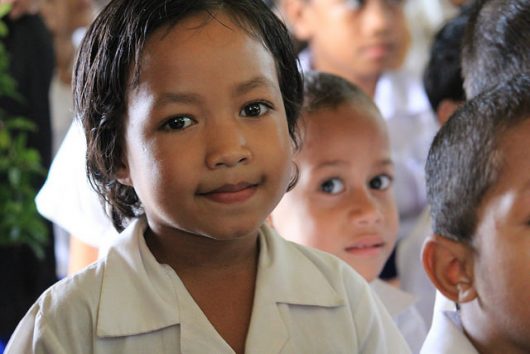 Samoa is a great vacation destination. There are museums, places to go surfing and beaches to relax on. However, the tropical weather and abundance of water gives rise to many infectious diseases. Below is a guide to the most common diseases in Samoa.
Zika Virus
Due to a number of mosquitoes carrying the Zika virus, the virus has become one of the most common diseases in Samoa. Thus, the Centers for Disease Control and Prevention (CDC) recommends taking precautionary measures. The virus is spread via mosquito bites and sexual contact with an infected person. Thus, the CDC advises travelers and locals to avoid bug bites and use condoms whenever possible. This is even more important for pregnant women, as they are at risk of passing the virus onto their offspring.
Also, it is possible to contract the virus and not even know it. It is typical for people to not experience anything beyond a mild sickness (if they get sick at all) or show distinct symptoms. At the time of writing, there are no cures, medication or vaccines for the Zika virus.
Hepatitis A
Spread through contact with the hands of an infected person and contaminated water and food, people are at risk of catching hepatitis A in Samoa. If someone does develop symptoms, they likely won’t appear until the virus has been in their system for a couple of weeks. The symptoms include mild fever, joint pain, loss of appetite, nausea, vomiting, fatigue, abdominal/liver pain or discomfort, jaundice, clay-colored bowel movements and dark urine.
Fortunately, there is a vaccine that people can ask their doctors/nurses for. This, paired with eating foods prepared correctly and safely, drinking clean (preferably carbonated) water, maintaining personal hygiene and avoiding bushmeat, should prevent the contraction hepatitis A.
Hepatitis B
Hepatitis B can be found all over the world, but it is particularly prevalent in Samoa. It is so common that, in 2015, the Samoan Cabinet authorized a doctor to participate in a New Zealand meeting discussing hepatitis B treatment and possible drug donation to Samoans. Hepatitis B can spread via unprotected sex, contact with infected blood, unscreened blood transfusions or during childbirth. Even infected items such as razor blades, needles and unclean medical or dental equipment can spread the virus.
According to IAMAT, a nonprofit focused on giving travelers up-to-date health information, hepatitis B is also asymptomatic for many of those who have it. It typically takes anywhere from one to six months after exposure to experience illness and shares many of its symptoms with hepatitis A. Untreated hepatitis B “can lead to liver failure, liver cancer and even death.”
A series of vaccinations are available for Hep B. IAMAT goes on to recommend other preventative measures such as practicing safe sex; avoiding injuries during physical activities; getting medical and dental care done at a trustworthy institution; not sharing needles or razors and avoid getting any new tattoos or piercings.
Typhoid
Typhoid, like hepatitis A, can spread through contaminated food and water. In addition to common symptoms such as weakness and stomach pains, some can experience constipation and a rash.
A vaccine in the form of a shot or pills is available. The prevention methods are the same as hepatitis A. Additionally, close contact (such as sharing food/utensils/cups/kisses/hugs) with infected individuals should also be avoided.
While the most common diseases in Samoa may not all be life-threatening initially, it is best to err on the side of caution and heed the preventative measures.
– Jada Haynes
Photo: Flickr
