• Link to X
  • Link to Facebook
  • Link to Instagram
  • Link to TikTok
  • Link to Youtube
  • About
    • About Us
      • President
      • Board of Directors
      • Board of Advisors
      • Financials
      • Our Methodology
      • Success Tracker
      • Contact
  • Act Now
    • 30 Ways to Help
      • Email Congress
      • Call Congress
      • Volunteer
      • Courses & Certificates
      • Be a Donor
    • Internships
      • In-Office Internships
      • Remote Internships
    • Legislation
      • Politics 101
  • The Blog
  • The Podcast
  • Magazine
  • Donate
  • Click to open the search input field Click to open the search input field Search
  • Menu Menu
Blog - Latest News
Global Poverty

Exploring the Poverty Rate in Guatemala
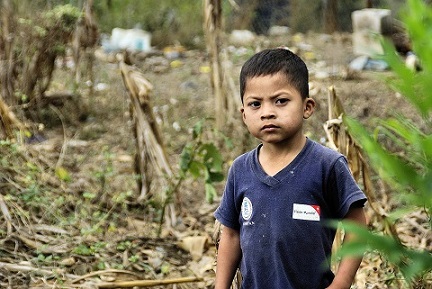
Poverty Rate in Guatemala
The poverty rate in Guatemala is high by most standards. Guatemala is a country in Central America that is bordered by El Salvador, Honduras, Belize and Mexico. It is known for its massive Lake Atitlán and ancient Mayan ruins. It is home to 16.5 million, people making it the most populous country in Central America. Although Guatemala’s official language is Spanish, 40% of its inhabitants speak Indigenous languages.

The poverty rate in Guatemala is very high. According to the World Bank, 59.3% of the population lives below the poverty line. In addition, 23% live in extreme poverty.

The indigenous people in Guatemala are most affected by poverty. In fact, 79% of them live in poverty, while 40% of them live in extreme poverty. Eight in ten indigenous children suffer from chronic malnutrition, a condition that weakens their immune system and does not allow their bodies to fully develop.

The indigenous population also suffers from discrimination and exclusion in Guatemalan society, which makes it difficult for them to rise out of poverty. The country’s topography also keeps indigenous people living in rural areas isolated from the rest of society, making it more difficult for them to receive help.

Income inequality is high in Guatemala. According to a study conducted by the Union Bank of Switzerland (UBS), 260 Guatemalans own 56% of the national economy. This means that 0.001% of the population owns more than half of the country’s wealth.

Agriculture is a very important source of revenue for Guatemala. It accounts for 20% of the GDP and employs more than 40% of the population. Main food exports include sugar, bananas, coffee and vegetables. However, due to the country’s susceptibility to natural disasters, including hurricanes, earthquakes, floods and landslides, many citizens are in a constant struggle to survive and make a living.

Many NGOs stepped in to help improve the poverty rate in Guatemala. For example, The World Food Programme (WFP) delivers emergency food supplies to Guatemalans and teaches farmers how to grow more crops and better market the food they harvest. The NGO Food for The Poor brings food, medicine, and education supplies to needy communities in Guatemala.

– Anna Gargiulo

August 8, 2017
Share this entry
  • Share on Facebook
  • Share on X
  • Share on WhatsApp
  • Share on Pinterest
  • Share on LinkedIn
  • Share on Tumblr
  • Share on Vk
  • Share on Reddit
  • Share by Mail
https://borgenproject.org/wp-content/uploads/borgen-project-logo.svg 0 0 Borgen Project https://borgenproject.org/wp-content/uploads/borgen-project-logo.svg Borgen Project2017-08-08 07:30:372024-05-28 00:15:15Exploring the Poverty Rate in Guatemala

Get Smarter

  • Global Poverty 101
  • Global Poverty… The Good News
  • Global Poverty & U.S. Jobs
  • Global Poverty and National Security
  • Innovative Solutions to Poverty
  • Global Poverty & Aid FAQ’s
Search Search

Take Action

  • Call Congress
  • Email Congress
  • Donate
  • 30 Ways to Help
  • Volunteer Ops
  • Internships
  • Courses & Certificates
  • The Podcast
Borgen Project

“The Borgen Project is an incredible nonprofit organization that is addressing poverty and hunger and working towards ending them.”

-The Huffington Post

Inside The Borgen Project

  • Contact
  • About
  • Financials
  • President
  • Board of Directors
  • Board of Advisors

International Links

  • UK Email Parliament
  • UK Donate
  • Canada Email Parliament

Get Smarter

  • Global Poverty 101
  • Global Poverty… The Good News
  • Global Poverty & U.S. Jobs
  • Global Poverty and National Security
  • Innovative Solutions to Poverty
  • Global Poverty & Aid FAQ’s

Ways to Help

  • Call Congress
  • Email Congress
  • Donate
  • 30 Ways to Help
  • Volunteer Ops
  • Internships
  • Courses & Certificates
  • The Podcast
Link to: Why Global Dropout Rates Aren’t Improving Link to: Why Global Dropout Rates Aren’t Improving Why Global Dropout Rates Aren’t Improving Link to: Reducing the Poverty Rate in Jamaica: Obstacles and Successes Link to: Reducing the Poverty Rate in Jamaica: Obstacles and Successes Reducing the Poverty Rate in Jamaica: Obstacles and Successes
Scroll to top Scroll to top Scroll to top