5 Things to Know About Pakistan’s IDP Problem
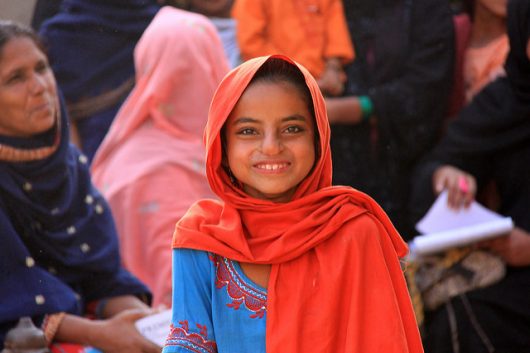
In recent years, Pakistan has become home to one of the world’s largest population of internally displaced persons (IDPs). A decade-long militant insurgency; many military operations in the northwest and natural disasters have displaced millions of people from their homes. As a result, Pakistan’s IDP problem is the greatest humanitarian crisis in the country’s history.
According to the South Asia Terrorism Portal (SATP), “a total of 5.3 million people in Federally Administered Tribal Areas (FATA) have been displaced as a consequence of counter-terrorism operations since 2008, some of them multiple times.” Of these, 4.8 million to have returned, and the rest have yet to go back to their homes.
The state of Pakistan, with the help of international humanitarian groups, has responded to the crises. However, it has not fully met the post-displacement challenges of the displaced and returnees. Particularly, five things about Pakistan’s IDP problem warrant the immediate attention of national government and international aid agencies:
- Education: Tens of thousands of displaced children have their education disrupted as a result of religious militancy and military operations in FATA. Large numbers of them were still out of school after displacements because the state had no proper arrangements to help them resume their education. Before the start of operations, non-state armed groups (NSAGs) had destroyed many schools in the region. They only left behind madrassas (religious seminaries). Girls’ education was particularly affected. In 2012, the Tehreek-e-Taliban Pakistan’s (TTP) attempted the assassination of teenage education activist Malala Yousafzai in Swat valley, aiming to scare girls away from school. The need for education after IDPs’ return is only greater, as most schools have been either destroyed or used as home shelters that need repair.
- Lack of Basic Necessities: A quarter of IDPs did not have access to basic necessities, such as food, clean drinking water and shelter. Most of them lost around a third of their food supplies during the displacement. Poor strategy and coordination have made it worse for relief operations to provide for the basic needs of IDPs. Moreover, the state’s rehabilitation services, as most IDPs have returned or are in the process of returning to their homes, are less than encouraging. The state provides a resettlement allowance that surely helps, but not enough to repair the destruction left behind. Most importantly, FATA is the poorest region in Pakistan. The area needs a comprehensive development plan, as it has been historically ignored.
- Second Class Citizens: The IDPs not only faced harsh circumstances in camps, but they have also received a very unwelcoming attitude from some host communities. In the recent past, the provinces of Punjab and Sindh have opposed the entry of IDPs from FATA because of the alleged fear of terrorists among them. Moreover, once the IDPs entered and settled temporarily, some host communities and even security agencies in Punjab labeled them as a potential threat of terrorism. The alienation of one of the largest ethnic groups, Pashtuns, only made it more difficult for IDPs to find work and live in peace. This double standard regarding the treatment of refugees is striking to watch; many in Pakistan are angry at the West for its treatment of refugees from Muslim lands.
- Health: Healthcare in Pakistan is the holy grail for the poor in normal circumstances. Mass exodus due to conflicts and insecurity have made it impossible for displaced persons to attain basic health care. The most common problems among IDPs are malaria, skin infections, diarrhea and colds. Very few mothers and children received assistance to fulfill their nutritional needs. Health services, though available in the area, already overstretched before the IDPs’ arrival.
- Insecurity: Instability and recurring violence is another challenge of Pakistan’s IDP problem. Despite the army’s claim of clearing the region from militants, the events on the ground indicate a different reality. Many FATA locals are suspicious of the army’s role in eliminating militants. The U.S. has also blamed Pakistan for playing a double-game by supporting groups like the Haqqanis as its long-term ally in Afghanistan where Pakistan considers the increasing Indian influence as a threat to its territorial integrity. Insecurity has also made it difficult for aid agencies to reach out to the affected people. The government requires most NGOs to get NOCs in order to function in the FATA.
The good news is that national and provincial authorities, military, civil society and community networks are all involved in Pakistan’s IDP problem. The government has made substantial efforts to address IDPs’ needs over the years. Immediate relief has generally included shelter, relief, cash grants, water, etc., but Pakistan has no national policy or legislation to cope with the recurrent crises of internally displaced persons.
– Aslam Kakar
Photo: Flickr
