Rise in Non-Communicable Common Diseases in India
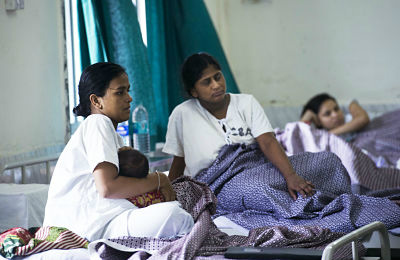 Non-communicable diseases (NCDs) account for 60 percent of deaths in India. In recent years, most common diseases in India are non-communicable, as opposed to the communicable diseases that dominated the charts in previous decades.
In a 2015 report, the World Health Organization stated that common non-communicable diseases in India are the overwhelming leading cause of death across all classes and regions. At this time, one in four Indians risk death due to an NCD before the age of 70.
India has undergone rapid development and growth in the last three decades. In 2015 its GDP growth was 7.6 percent, making India the fastest major growing economy in the world. Furthermore, India is set to overcome China as the most populous state as early as 2022.
India’s transition from a developing nation to an emerging power is marked by its rapid growth. It is also transitioning from a state vulnerable to communicable diseases to one plagued by lifestyle diseases, particularly heart disease. Currently, Indian citizens are twice as likely to die from a non-communicable disease than from a communicable one.
The decline of communicable diseases in India speaks to the dramatically positive impact development has on water quality, health services, sanitation and general health. The decrease of communicable diseases is certainly worth celebrating, yet India faces new challenges.
Heart disease, diabetes and cancer are among the leading causes of death in India today. Factors that contribute to the rise in these diseases include poor diet, pollution, tobacco use and alcohol use.
In light of the health issues emerging powers such as India and China face, the health community has established that the links between health and development go both ways. Improved health notoriously encourages development in countries just as poor health hinders development; a population’s health directly correlates to its productivity.
India is in a particularly vulnerable position. While communicable diseases have been overtaken by non-infectious diseases, they remain a problem. This creates a dual burden of diseases in the state, one that needs to be addressed through policy and action. If either communicable diseases or noncommunicable diseases become too burdensome, it will risk India’s development and further potential.
Fortunately, India is tackling NCDs as fervently as it tackled communicable diseases decades ago. General Electric India, for example, is making significant progress in developing cheap and effective diagnostic devices to battle the heart disease epidemic.
While communicable diseases are decreasing and noncommunicable diseases are increasing significantly, the list of common diseases in India still has a mixture of both communicable and non-communicable ailments. Going forward, continued investment in health and access to health centers are essential to India’s development.
– Catherine Fredette
Photo: UN Multimedia
