• Link to X
  • Link to Facebook
  • Link to Instagram
  • Link to TikTok
  • Link to Youtube
  • About
    • About Us
      • President
      • Board of Directors
      • Board of Advisors
      • Financials
      • Our Methodology
      • Success Tracker
      • Contact
  • Act Now
    • 30 Ways to Help
      • Email Congress
      • Call Congress
      • Volunteer
      • Courses & Certificates
      • Be a Donor
    • Internships
      • In-Office Internships
      • Remote Internships
    • Legislation
      • Politics 101
  • The Blog
  • The Podcast
  • Magazine
  • Donate
  • Click to open the search input field Click to open the search input field Search
  • Menu Menu
Blog - Latest News
Global Poverty, Water

Water Quality in Germany: The Gold Standard
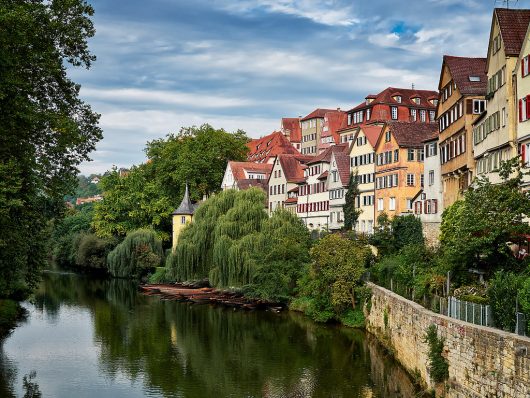
Water Quality in Germany: The Gold Standard
Water quality in Germany has been regulated by an effective water management division. The country’s water technology and purification processes are highly regarded internationally. The German government implemented water protection procedures such as water waste charges, the preservation of natural habitats and laws to penalize water pollution.

Germany has an abundance of fresh water; 2.2 percent of the country’s surface area is covered by 11 predominant rivers, 291 dams, and other natural lakes. Approximately 11.7 percent of the fresh water is assigned to drinking water protection.

In 1998 the European Union (EU) adopted the ‘Drinking Water Directive’ (DWD), which set a foundation for high-quality standards for European drinking water. The DWD guidelines include parameters that must be fulfilled to assess drinking water quality.

Currently, the German Association of Energy and Water Industries (BDEW), represents 80 percent of drinking water production and 60 percent of wastewater disposal in Germany. BDEW supports sustainable energy, the protection of water supply and proper wastewater disposal.

On October 4, 2016, BDEW convened with the Federal Ministry for Environment to state its opinions on major energy developments to be implemented over the next 15 years. The meeting focused on “the future of public services in the water sector.” Key results of the collaborative effort include extending fresh water and groundwater protections to unused resources, creating an “integrated cross-sectoral environmental legislation,” as well as implementing consequences for “enforcement deficiencies in the environmental law.”

As the water quality in Germany increases, the cost of tap water rises as well. A solution to water inflation is the re-use of wastewater, also known as water recycling. By reusing processed water, the required heating and cooling energy are lowered, saving energy and money. Recycling water also reduces the cost and effort needed to filter and purify unprocessed water. When the processed water is reused, it is already free from unwanted micro-organisms and harmful elements.

Germany’s strict environmental legislation and multiple industrial measures have enhanced its water quality and advanced long-term sustainability.

– Madison O’Connell

Photo: Flickr

May 2, 2017
Share this entry
  • Share on Facebook
  • Share on X
  • Share on WhatsApp
  • Share on Pinterest
  • Share on LinkedIn
  • Share on Tumblr
  • Share on Vk
  • Share on Reddit
  • Share by Mail
https://borgenproject.org/wp-content/uploads/borgen-project-logo.svg 0 0 Borgen Project https://borgenproject.org/wp-content/uploads/borgen-project-logo.svg Borgen Project2017-05-02 01:30:342024-06-11 23:17:12Water Quality in Germany: The Gold Standard

Get Smarter

  • Global Poverty 101
  • Global Poverty… The Good News
  • Global Poverty & U.S. Jobs
  • Global Poverty and National Security
  • Innovative Solutions to Poverty
  • Global Poverty & Aid FAQ’s
Search Search

Take Action

  • Call Congress
  • Email Congress
  • Donate
  • 30 Ways to Help
  • Volunteer Ops
  • Internships
  • Courses & Certificates
  • The Podcast
Borgen Project

“The Borgen Project is an incredible nonprofit organization that is addressing poverty and hunger and working towards ending them.”

-The Huffington Post

Inside The Borgen Project

  • Contact
  • About
  • Financials
  • President
  • Board of Directors
  • Board of Advisors

International Links

  • UK Email Parliament
  • UK Donate
  • Canada Email Parliament

Get Smarter

  • Global Poverty 101
  • Global Poverty… The Good News
  • Global Poverty & U.S. Jobs
  • Global Poverty and National Security
  • Innovative Solutions to Poverty
  • Global Poverty & Aid FAQ’s

Ways to Help

  • Call Congress
  • Email Congress
  • Donate
  • 30 Ways to Help
  • Volunteer Ops
  • Internships
  • Courses & Certificates
  • The Podcast
Link to: Poverty in Israel Economy Link to: Poverty in Israel Economy Poverty in Israel Economy Link to: Connection to the Internet and Fighting Poverty Link to: Connection to the Internet and Fighting Poverty Connection to the Internet and Fighting Poverty
Scroll to top Scroll to top Scroll to top