• Link to X
  • Link to Facebook
  • Link to Instagram
  • Link to TikTok
  • Link to Youtube
  • About
    • About Us
      • President
      • Board of Directors
      • Board of Advisors
      • Financials
      • Our Methodology
      • Success Tracker
      • Contact
  • Act Now
    • 30 Ways to Help
      • Email Congress
      • Call Congress
      • Volunteer
      • Courses & Certificates
      • Be a Donor
    • Internships
      • In-Office Internships
      • Remote Internships
    • Legislation
      • Politics 101
  • The Blog
  • The Podcast
  • Magazine
  • Donate
  • Click to open the search input field Click to open the search input field Search
  • Menu Menu
Blog - Latest News
Global Poverty

Poverty in Montenegro
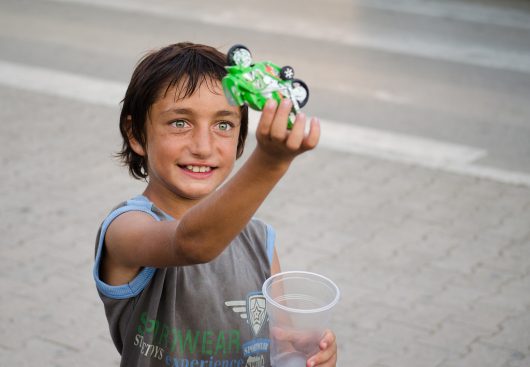
Poverty in Montenegro
Montenegro is a small mountainous country located in Southeast Europe off the coast of the Adriatic Sea. The country has a relatively small and open economy, which is reliant on energy-intensive industries. On average, Montenegro is one of the least efficient consumers of energy and water in the entire European continent.

Further, urban sprawl and deforestation put a strain on the infrastructure and local service provisions within Montenegro. This also increases exposure to environmental hazards and erodes natural resources. Overall, these issues pose a threat as it makes Montenegrins vulnerable to resource depletion.

Poverty in Montenegro averages at around 8.6 percent with 33 percent in economically vulnerable situations. However, those in the northern region average at around 10.3 percent poverty rates. Unemployment rates in the north, are around two times greater than the national average and citizens there have limited access to public services. This reflects an internal problem within the country, namely regional development disparity.

Gender and age discrimination are two additional issues in Montenegrin society. Although the high-education balance between men and women is equal in Montenegro, women in the workforce are prone to huge gaps in income. They also lack proper political and economic representation, making them especially vulnerable to problems such as domestic violence and general impoverishment should they choose to divorce or remain unmarried.

Another demographic that is overwhelmingly at a disadvantage are the roughly 50,000 internally displaced persons (IDPs) and refugees. These people make up roughly seven percent of the Montenegrin population and are among the poorest in Montenegro. Their poverty rate is roughly six times higher than the average national poverty rate.

Thus, combating social discrepancies and poverty in Montenegro is the pinnacle for evening the proverbial fiscal playing field. This will require reformation of health, employment and social services on both the local and global level.

– Kayla Provencher

Photo: Flickr

December 1, 2016
Share this entry
  • Share on Facebook
  • Share on X
  • Share on WhatsApp
  • Share on Pinterest
  • Share on LinkedIn
  • Share on Tumblr
  • Share on Vk
  • Share on Reddit
  • Share by Mail
https://borgenproject.org/wp-content/uploads/borgen-project-logo.svg 0 0 Borgen Project https://borgenproject.org/wp-content/uploads/borgen-project-logo.svg Borgen Project2016-12-01 10:30:462024-12-13 17:56:17Poverty in Montenegro

Get Smarter

  • Global Poverty 101
  • Global Poverty… The Good News
  • Global Poverty & U.S. Jobs
  • Global Poverty and National Security
  • Innovative Solutions to Poverty
  • Global Poverty & Aid FAQ’s
Search Search

Take Action

  • Call Congress
  • Email Congress
  • Donate
  • 30 Ways to Help
  • Volunteer Ops
  • Internships
  • Courses & Certificates
  • The Podcast
Borgen Project

“The Borgen Project is an incredible nonprofit organization that is addressing poverty and hunger and working towards ending them.”

-The Huffington Post

Inside The Borgen Project

  • Contact
  • About
  • Financials
  • President
  • Board of Directors
  • Board of Advisors

International Links

  • UK Email Parliament
  • UK Donate
  • Canada Email Parliament

Get Smarter

  • Global Poverty 101
  • Global Poverty… The Good News
  • Global Poverty & U.S. Jobs
  • Global Poverty and National Security
  • Innovative Solutions to Poverty
  • Global Poverty & Aid FAQ’s

Ways to Help

  • Call Congress
  • Email Congress
  • Donate
  • 30 Ways to Help
  • Volunteer Ops
  • Internships
  • Courses & Certificates
  • The Podcast
Link to: Lifestyle Diseases in India Link to: Lifestyle Diseases in India Lifestyle Diseases in India Link to: Things to Know About Poverty in El Salvador Link to: Things to Know About Poverty in El Salvador Things to Know About Poverty in El Salvador
Scroll to top Scroll to top Scroll to top