Resisting the Closure of Dadaab Refugee Camp
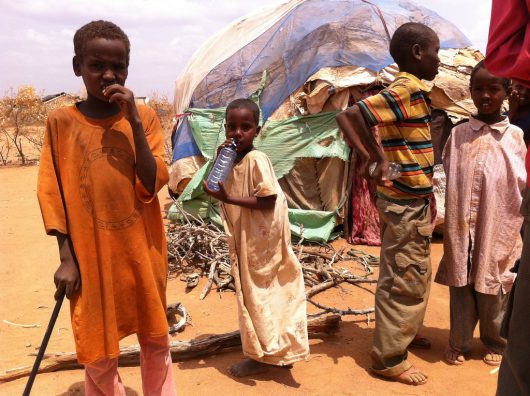
On May 6, 2016, Kenya announced plans for the closure of Dadaab refugee camp by Nov. 30 this year. This closure of the largest refugee camp in the world could cause a number of problems for the refugees forced to leave.
The vast majority of the refugee population in Dadaab is Somalian. Forcing Somalians to return home in an atmosphere of continued unrest and insecurity is a recipe for disaster. The most visible problem is that as of now, parts of Somalia are still under the control of al-Shabaab, an armed group committing abuse and targeting civilians even in government-controlled areas. As a result, a large share of the country is extremely dangerous and could be fatal for refugees returning.
The closure of Dadaab refugee camp could cause less visible, but equally dangerous consequences on refugee health and education. A substantial number of Somali refugees in Dadaab today are there not because of the conflict but in order to escape the situation of drought and famine in the province of Jubbaland. Returning would, therefore, mean putting pressure on the resources of an already thinly stretched economy, as well as causing a negative impact on refugee health.
The Bhekisisa Center for Health Journalism predicts that the closure of Dadaab could lead to the next health crisis. A forced and involuntary return could escalate refugees’ vulnerability to malnutrition, weaken their immune systems and make them vulnerable to infectious diseases. Lack of health care resources including basic vaccinations in Somalia would make it hard for refugees to be treated for diseases brought back from the camp, as well as for chronic illnesses.
The good news is that as recently as August 2016, Interior Minister Joseph Nkaissery announced that the government of Kenya would hold back its decision to close the camp until peace in Somalia is restored. However, this decision is not without its own backlash. Two-thirds of all Kenyans support sending all refugees home. This backlash comes from a combination of fear of al-Shabaab attacks and a fear of the change in the ethnic composition of Kenya.
In order to address these understandable concerns of Kenyan citizens, the Kenyan government, working with UNHCR has been attempting to encourage voluntary returns among refugees. Under the tripartite agreement signed by the Somalian and Kenyan governments with UNHCR in November 2013, each party is responsible for developing and implementing a plan for the large-scale voluntary return of Somali refugees.
Any plan created for this purpose must involve building infrastructure, hospitals, clinics and improve security in Somalia as a solution to the refugee problem. Repatriation is not enough; post-conflict infrastructure must be a priority. This can only be done through continued support from the international community.
Creating a hospitable environment for refugees to return to Somalia is not a mere solution. For the time being, Dadaab refugee camp is the only resource a huge portion of the Somali population has. Keeping it open requires both financial support as well as greater empathy for the struggles of refugees. Many organizations are responding to both these needs.
– Mallika Khanna
Photo: Flickr
