Fighting Poverty in the UK Through Early Childhood Education
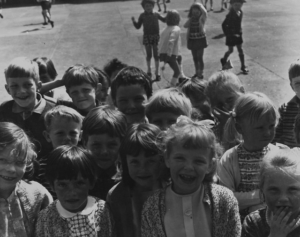 Some advocates call for better access to high-quality, early childhood education to help keep children living in poverty in the U.K. from falling behind developmentally and educationally.
International charity Save the Children urges Parliament to deliver world-class early childcare in the U.K. through its “Giving All Children the Best Start in Life” campaign. The campaign focuses on young children who are currently falling behind before they start school, especially impoverished children.
In March 2016, Save the Children released a report called Lighting Up Young Brains, which shows how parents, caregivers and nurseries support a child’s brain development in the first five years of life. The paper includes a recommendation to the government to ensure an early childhood educator leads every nursery in England by 2020.
The report explains that the brain begins processing information in a more efficient and complex way between the ages of three and five.
However, poverty can get in the way of this essential development. According to Save the Children, the poorest children in England, on average, begin school 15 months behind their wealthier peers in developing key skills, such as language skills.
The Child Poverty Action Group, a U.K.-based nonprofit, reports one in four children in the U.K. is being raised in poverty.
According to UNICEF, investing in early childhood education is one of the most cost-effective ways of reducing poverty because the estimated economic returns on investment in early childhood education are as high as a one to 17 ratio.
Numerous countries recently made early childhood education a priority. In 2010, the government of China increased early childhood education significantly. UNICEF reports the percentage of children between the ages of three and six in kindergartens in China increased from 45 percent in 2009 to 70.5 percent in 2014.
Efforts to enrich the development of young children living in poverty in the U.K. go beyond just the nursery school classroom. For instance, CPAG reports that a child’s home environment influences them the most, and poverty experienced in this environment should be taken into account.
“While good quality nursery care and education can supplement this (the home environment),” CPAG’s website states, “it cannot substitute for an impoverished home life.”
The Lighting Up Young Brains report explains how research shows that a strong home-learning environment provides the types of experiences and environment necessary for child brain and language development, such as opportunities to read and be read to.
CPAG’s website states social policies focusing on early years interventions for poorer children are “welcome,” but should not distract from the needs of impoverished children of school age, such as not having a place to study because of the cold or overcrowding.
You can learn more about the “Giving All Children the Best Start in Life” campaign by visiting Save the Children’s website. You can also visit the Child Poverty Action Group’s website to learn more about child poverty in the U.K. and see how the organization works for families affected by poverty.
– Kate Miller
Photo: Flickr
