Overcoming Neural Bias and Living in Poverty
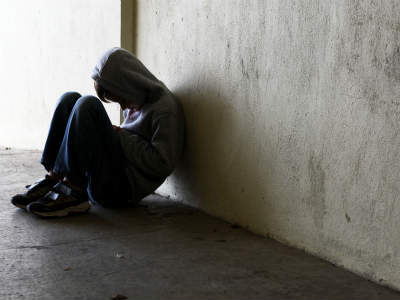
Poverty cuts deep – malnutrition, stress, a lack of access to medical care, little social mobility and other factors all affect how a person can interact and engage with their environment and community.
For those in poverty, a neural bias caused by stress can limit one’s ability to consider events neutral; this has implications for education, conflict resolution, gender equality and rates of violence.
This bias is called the hostile attribution bias. The hostile attribution bias primarily affects how people view neutral stimuli, such as a dog barking in the distance, a pencil dropping or a sudden movement by a person nearby.
As a result of this bias, an individual may attribute negative, hostile intent to this action, assuming that the action will end up hurting them in some way. This thinking views the world in binary: good or bad, black or white, safe or unsafe.
For those who grew up in stressed environments and were frequently exposed to or victims of aggression, this is a perfectly natural way to react; it works as a protective mechanism.
But, it also can lead to an inability to focus, difficulty trusting others and higher levels of perceived threats. In addition to its effects on cognition and emotional processing, the hostile attribution bias is also correlated with higher levels of aggression and violence.
While this bias may be protective for those in conflict areas, it also perpetuates conflict whether or not the affected individual is in a conflict zone. Consequently, if an individual is at home or any safe place, they may perceive a threat when there is none.
This can lead to acts of aggression in the home, such as domestic violence, abuse or neglect. If this behavior is being conducted by an adult, this behavior will most likely be passed down to children.
For children with this bias, this affects their development of social skills and also their academic performance.
Because neutral events are immediately perceived as negative, this increases their reactivity and reduces attention while impacting their relationships with teachers and peers. In conjunction with malnutrition and poverty, the hostile attribution bias creates another hurdle to success.
The hostile attribution bias has several implications for aid and development work. First, given the propensity of the hostile attribution bias in conflict areas, mental health initiatives should consider the bias during program development and implementation.
Secondly, since the hostile attribution bias is often occurring in tandem with malnutrition and poverty, it emphasizes the necessity of proper nutrition for mothers and children to ensure healthy brain development.
In ensuring the brain is healthy, the plasticity of the brain is more feasible as individuals move from poverty and conflict zones and the individual will be able to adapt.
While the hostile attribution bias may be a safety skill for those in conflict zones or facing abuse at home, this bias is ultimately maladaptive. As individuals are empowered, gain safety and reduce stress in their lives, addressing this bias will help them be more productive and successful in changing not only their lives but also the lives of those in their communities.
– Priscilla McCelvey
Sources: Pacific Standard, Practical Ethics
Photo: Amazon News
