• Link to X
  • Link to Facebook
  • Link to Instagram
  • Link to TikTok
  • Link to Youtube
  • About
    • About Us
      • President
      • Board of Directors
      • Board of Advisors
      • Financials
      • Our Methodology
      • Success Tracker
      • Contact
  • Act Now
    • 30 Ways to Help
      • Email Congress
      • Call Congress
      • Volunteer
      • Courses & Certificates
      • Be a Donor
    • Internships
      • In-Office Internships
      • Remote Internships
    • Legislation
      • Politics 101
  • The Blog
  • The Podcast
  • Magazine
  • Donate
  • Click to open the search input field Click to open the search input field Search
  • Menu Menu
Blog - Latest News
Health, Poverty Reduction

Moringa: The Miracle Tree
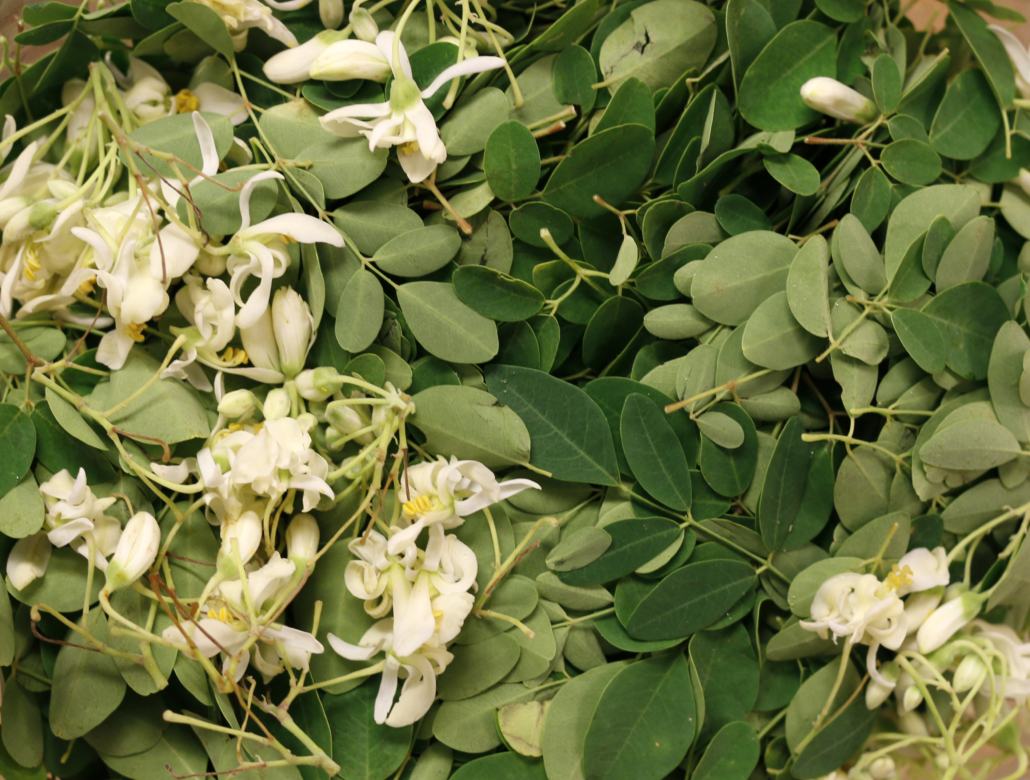
Moringa
Moringa oleifera, the moringa tree, has been aptly nicknamed the miracle tree for its nutritional value and medical qualities. The moringa tree is native to South Asia and is known for how quickly it grows.

Many parts of the tree are edible, making it a valuable source of food in impoverished, rural areas especially in times of drought because the tree is very hardy.

Nearly every part of the moringa tree can be used. Although the wood from the tree is not very high quality, the fruit, leaves and pods are all edible.

The moringa tree leaves have a very high level of protein, calcium, iron, vitamin C as well as vitamin A. One cup of moringa leaves offers two grams of protein and more than 10 percent of the recommended daily allowance of vitamin C, vitamin B6, iron, and riboflavin. One cup of moringa pods offers 157 percent of the daily allowance for vitamin C.

The leaves have twice as much calcium and protein as whole milk when compared ounce for ounce. Considering approximately 670,000 children die from a vitamin A deficiency every year, the moringa’s nutrients are very valuable.

Moringa oil is extracted from the seed of the tree. This oil’s special quality is that it does not quickly go rancid. In impoverished areas where refrigeration is not an option, the oil can be a very good alternative to other vegetable oils.

One of the significant attributes of the moringa tree in light of global poverty is the purification quality of the seeds. There is a coagulant found in the crushed seed that can be used to reduce turbidity and alkalinity in water. There is also an antiseptic property withing the seed that helps purify it.

The nutrition within the tree makes the moringa a valuable asset in the alleviation of global hunger. The success of the moringa tree is evident as organizations have incorporated it into their programs for hunger alleviation. The Peace Corps in specific implements the use of the tree into the programs.

– Iona Brannon

Sources: Epoch Times, Fox News, International Journal of Development and Sustainability, Kuli Kuli, SABC
Photo: Flickr

October 7, 2015
Share this entry
  • Share on Facebook
  • Share on X
  • Share on WhatsApp
  • Share on Pinterest
  • Share on LinkedIn
  • Share on Tumblr
  • Share on Vk
  • Share on Reddit
  • Share by Mail
https://borgenproject.org/wp-content/uploads/borgen-project-logo.svg 0 0 Borgen Project https://borgenproject.org/wp-content/uploads/borgen-project-logo.svg Borgen Project2015-10-07 13:19:482024-06-04 01:17:42Moringa: The Miracle Tree

Get Smarter

  • Global Poverty 101
  • Global Poverty… The Good News
  • Global Poverty & U.S. Jobs
  • Global Poverty and National Security
  • Innovative Solutions to Poverty
  • Global Poverty & Aid FAQ’s
Search Search

Take Action

  • Call Congress
  • Email Congress
  • Donate
  • 30 Ways to Help
  • Volunteer Ops
  • Internships
  • Courses & Certificates
  • The Podcast
Borgen Project

“The Borgen Project is an incredible nonprofit organization that is addressing poverty and hunger and working towards ending them.”

-The Huffington Post

Inside The Borgen Project

  • Contact
  • About
  • Financials
  • President
  • Board of Directors
  • Board of Advisors

International Links

  • UK Email Parliament
  • UK Donate
  • Canada Email Parliament

Get Smarter

  • Global Poverty 101
  • Global Poverty… The Good News
  • Global Poverty & U.S. Jobs
  • Global Poverty and National Security
  • Innovative Solutions to Poverty
  • Global Poverty & Aid FAQ’s

Ways to Help

  • Call Congress
  • Email Congress
  • Donate
  • 30 Ways to Help
  • Volunteer Ops
  • Internships
  • Courses & Certificates
  • The Podcast
Link to: In India Silkworms are an Economic Boon to the Poor Link to: In India Silkworms are an Economic Boon to the Poor In India Silkworms are an Economic Boon to the Poor Link to: How the Richest Man in China Became its Top Philanthropist Link to: How the Richest Man in China Became its Top Philanthropist How the Richest Man in China Became its Top Philanthropist
Scroll to top Scroll to top Scroll to top