NeoVent Reaches Babies in the Developing World
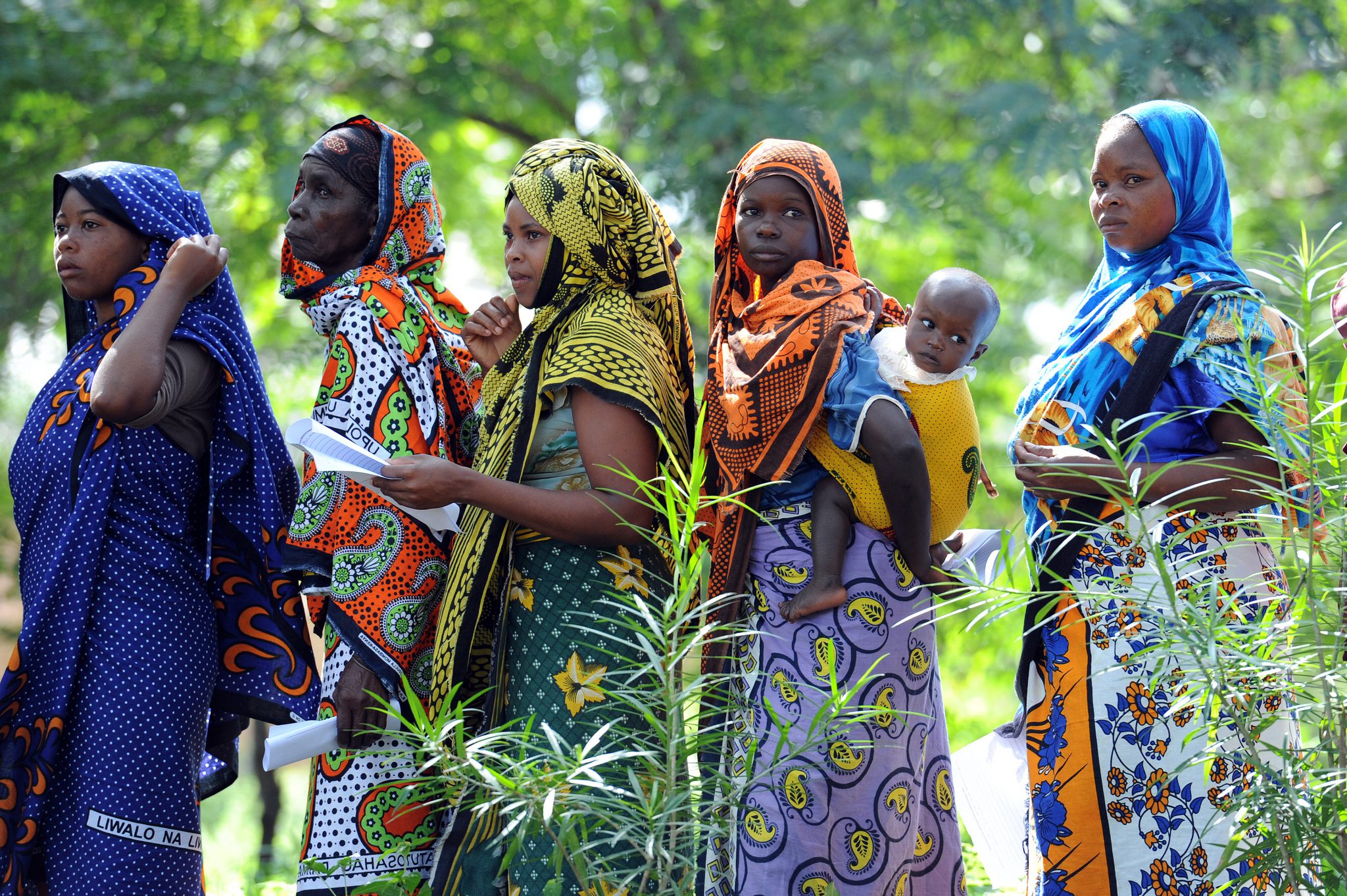
In rural parts of the developing world, health care is iffy at best. If there is a healthcare facility, it often lacks trained employees and equipment. The equipment may even be outdated due to the expense to update it. And, too often, people traveling to a healthcare facility die in their travels.
This is the case seen in newborns when they are born in a rural village and must make the voyage to the nearest healthcare facility. It is very common for premature newborns to have difficulty breathing.
“Hospitals supply continuous positive airway pressure (CPAP) to keep the lungs ‘open’ as the baby breathes on its own. However, very premature babies who cannot breathe on their own require dual pressure treatment along with CPAP to provide both negative and positive pressure to the lungs at a normal breathing frequency.”
In first world countries, this is an easy fix because they are usually born at a hospital with the necessary equipment. However, this is not true in the rural parts of the developing world. Babies that need treatment for underdeveloped lungs do not have access to the dual pressure treatment system because the equipment is expensive, difficult to operate, or hard to upkeep.
According to the World Health Organization, the mortality rate of premature infants in underdeveloped countries can be up to eight times higher than in the U.S., due to lack of resources. But there is hope for the newborn babies of the developing world.
Stephen John and Joseph Barnett, two engineering students at Western Michigan University (WMU), invented the NeoVent. This device is an easy-to-operate dual-pressure system that is aimed at helping premature babies breathe.
“The NeoVent consists of an innovative oscillatory relief valve, and is driven by excess air generated by the CPAP machine. Air at a constant pressure is transported from the CPAP machines into the child’s airway via a tube. The tube is submerged into water to produce bubbles, which are caught in a small inverted bowl on the relief valve.”

As this tube fills bubbles, a positive pressure is applied to the infant’s lungs, bringing in air. And as the bubbles disperse, a negative pressure is applied to the infant’s lungs, pulling air out of the lungs. This is seen as a breathing motion on the infant’s chest.
By keeping the developing world in mind, John and Barnett have priced the machine at a mere $25. The engineering students plan to implement the NeoVent in limited resource facilities in Nepal, Kenya and Uganda.
John and Barnett received $3,500 as U.S. winners of the 2015 James Dyson Award. The students plan to use this money to start clinical trials and manufacture a second round of production level devices.
The NeoVent also won the Lemelson-MIT undergraduate “Cure It” competition and the Brian Thomas Entrepreneurial competition at Western Michigan University. In addition to these awards, NeoVent is also the recipient of a VentureWell E-teams grants and a research grant from WMU’s honors college.
NeoVent maybe not look like the expensive technology in state of the art hospitals, but it functions just the same. By creating an effective and affordable device, John and Barnett will be saving many premature infants’ lives in the developing world.
– Kerri Szulak
Sources: Machine Design, WMU News
Photo: Flickr