Facts About Poverty in Kenya
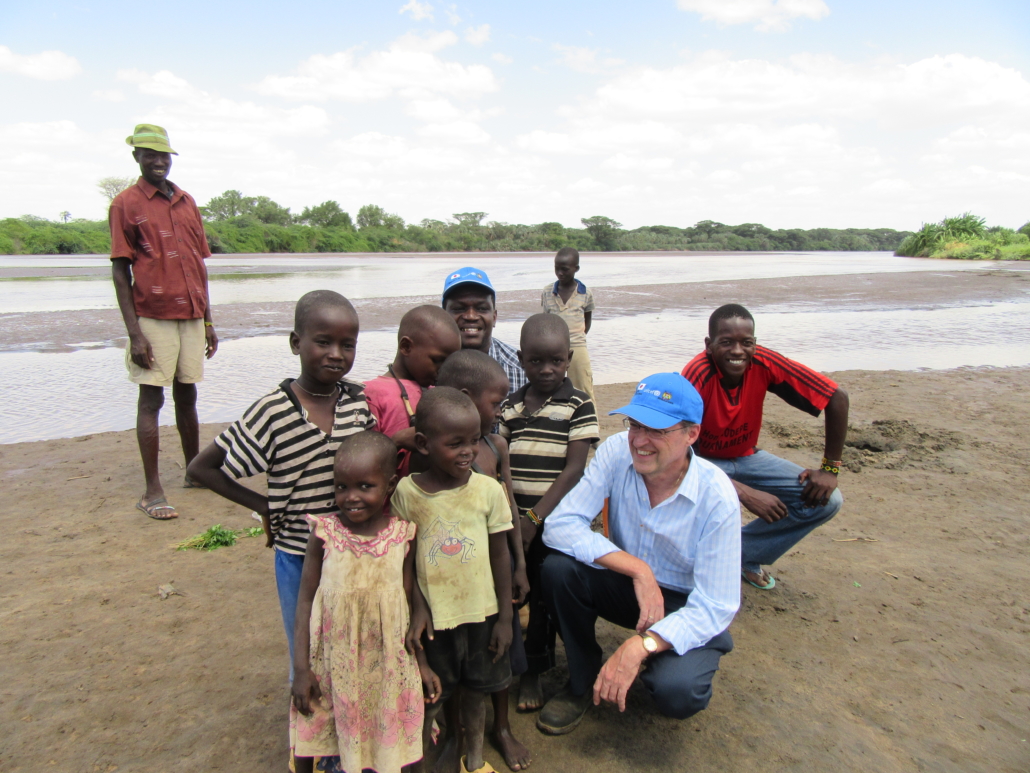
The stereotype remains that Africa as a whole is vastly impoverished and desolate. While certainly some pockets of the continent continue to suffer, poverty in Kenya is showing great improvement. Here are a few things to know about poverty in the East African country.
1. Kenya has one of the highest rates of population growth
Kenya’s population has nearly doubled in the last 25 years, from about 29.14 million in 1998 to 56.2 million in 2024 and the rapid population increase is set to continue. The United Nations (U.N.) has projected that Kenya’s population will grow by one million annually for the next 40 years, ultimately reaching 85 million by 2050. This will result in the rapid urbanization of Kenya’s rural areas. Furthermore, according to the World Bank, it will play an important role in “determining Kenya’s social stability.”
2. Children make up a large amount of the population
Of those living in Kenya, 38% (2022 estimate) are children aged less than 15. This has major implications for the country’s infrastructure and leaders realize it is past time to support these children.
3. Life expectancy is increasing
Life expectancy in Kenya has greatly increased over the years, from 53 years old in 2000 to more than 60 years in 2021. The majority of these improvements are from public health initiatives, particularly surrounding HIV/AIDS prevention after the disease was officially declared a natural disaster by the government in 2001.
4. There are not many physicians in Kenya
With a doctor-to-patient ratio of 1:17,000 and a nurse-to-patient ratio of 100:100,000, Kenya’s health care workforce density falls below the World Health Organization’s (WHO) recommended density of at least one doctor per 1000 patients and 365 nurses per 100,000 patients. This shortage of medical professionals has compromised quality health care delivery in Kenya. However, major public health interventions have helped to reduce the mortality rate, such as those taken with HIV/AIDS, as well as many waterborne illnesses.
5. The poorest inhabitants live in rural areas
With limited access to the few physicians and nurses who inhabit the country, rural areas suffer the greatest. Comprised mostly of farmers and other agricultural workers, those living in rural areas often go without health care, clean water, sanitation and many other social services, which are primarily located in the cities and business regions. Poverty in Kenya is a widespread problem but is concentrated in rural areas.
6. The nation is not economically diverse
The vast majority of all work lies in the agricultural sector,” which employs more than 40% of the total population and 70% of the rural population.” Thus, when droughts and other natural disasters occur, farmers are out of luck.
7. Kenya has one of the highest literacy rates in Sub-Saharan Africa
The youth literacy rate in Kenya is 89% percent as of 2022, which is greater than that of some of its neighboring nations. For example, the youth literacy rate is approximately 70.5% in Somalia.
8. There is hope
Kenya Aids NGOs Consortium (KANCO) is a leading nongovernmental organization in Kenya dedicated to combating HIV/AIDs, malaria and Tuberculosis and promoting public health. In 2022, the organization reached nearly 30,000 households through community health outreaches, supported 4,000 health workers and screened more than 40,000 people for Tuberculosis.
Through its comprehensive approach, KANCO continues to make significant contributions to the improvement of public health outcomes in Kenya.
– Liz Vestal
Photo: Flickr,
Updated: May 27, 2024
