Cuba Earns WHO Recognition for Terminating Risk of HIV Mother-Child Transmission
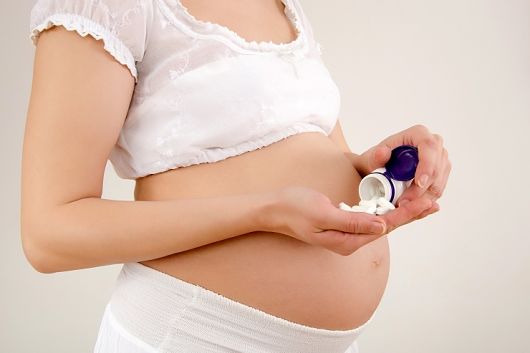
On June 30, 2015, the World Health Organization (WHO) recognized Cuba as the first nation in the world to officially eliminate HIV mother-child transmission, a huge step towards the eradication of the disease entirely. WHO guidelines define ‘elimination of transmission’ as transmission so low that it no longer constitutes a public health problem — a level now certifiably reached by Cuba in terms of transmission of the disease from mother to child. Both the WHO and the United Nations Program on HIV/AIDS (UNAIDS), as well as nations around the world, congratulated Cuba in recognition of this historic achievement. Director-General of the WHO Margaret Chan called the milestone “one of the greatest public health achievements possible.”
The WHO estimates that more than 42 million people now live with HIV. 1.4 million HIV-positive women become pregnant every year, and inevitably run the risk of transferring this disease to their child. The likelihood of the infant being HIV-positive varies, but the disease can be transmitted in many ways — not only during the pregnancy, but also during breastfeeding and in different stages of the delivery process. According to various conditional factors — including geography, income and race — an untreated woman with HIV currently has a 15-45 percent chance of transmitting HIV to her child.
However, antiretroviral medications have shown enormous progress in reducing the number of children who are born HIV-positive, lowering the risk to a barely 1 percent chance of infection.
But this medication is only a crucial first step to preventing transmission of HIV from mothers to children. Cuba, with help from the WHO and other international and regional organizations, has employed a rigorous and comprehensive program that resulted in the successful elimination of mother-to-child transmission. Cuba has previously received recognition for having the lowest HIV prevalence in the Americas, at 0.05 percent of its 11 million inhabitants, partly due to a nationwide HIV screening program implemented in the 1980s.
Cuba’s existing healthcare infrastructure, which guarantees healthcare to all citizens, has allowed the nation to infuse mandatory maternal and child health programs with the tools needed for early prevention and treatment of HIV. Such treatment includes access to prenatal care and comprehensive testing, as well as treatment for HIV-positive mothers and their children both before and after delivery. A few particularly successful efforts beyond the provision of antiretroviral medication deserve credit for Cuba’s achievement: these include mandatory HIV testing for expectant women (and their partners), provision of caesarean deliveries over natural births and breastfeeding substitutions for HIV-positive mothers.
While this success was doubtless a joint and multilateral effort between various organizations, institutions and the Cuban government, it is equally obvious that the superb Cuban health system provided the gateway for the possibility of such an achievement. The Pan-American Health Organization’s (PAHO’s) director, Dr. Carissa F. Etienne, commented that “Cuba’s success demonstrates that universal access and universal health coverage are feasible and indeed are the key to success… [it] provides inspiration for other countries.”
– Melissa Pavlik
Sources: WHO 1, WHO 2, The Conversation
Photo: Caribbean 360
