Three Years Later: Fukushima Today
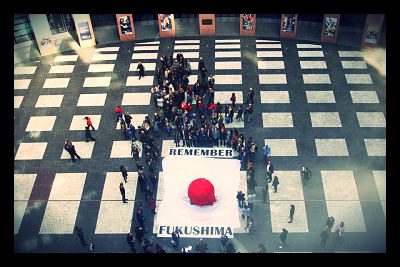
The Great East Japan Earthquake ripped through Japan on Friday, March 11, 2011 at 2:25 in the afternoon. Within hours, the Pacific Tsunami Warning Center issued an alert that took effect in 50 countries and territories. Japan was hardest hit. In the end, 19,000 people lost their lives.
Later that night, cooling systems at the Fukushima Daiichi nuclear plant began to fail. Radiation levels steadily rose, and by 5:00 a.m. on Saturday morning, a nuclear emergency had been declared.
The radiation that seeped from the plant in the first week of the disaster totaled 770,000 terabequerels, which is 20 percent of the radiation emitted from the Chernobyl meltdown. The U.N. recently dismissed fears of ill-effects for the evacuees; their exposure to the radiation was simply too low.
Though thousands were evacuated, not everyone had the luxury of leaving. With three melted reactors and a defunct cooling system, the situation had to be contained, and so hundreds of plant workers stayed on. Even now they suffer myriad health problems, among them burns, radiation sickness and cancer.
Reconstruction within the plant and in affected areas is slow going. The decommissioning of the Fukushima Daiichi plant may take up to 40 years to complete. Tokyo Electric Power Company (TEPCO) officials are faced with the disposal of hundreds of thousands of gallons of contaminated waste water. Proposed solutions have included creating an underground “ice-wall” surrounding the plant, as well as treating the water and releasing it into the ocean. This latter proposal has not been popular among the area’s fisherman.
Nearly one-third of an estimated one million displaced people remain in temporary accommodation. The news outlet Asahi Shimbun predicts that as many as 60 percent of the exclusion zone evacuees will not return to their hometowns for at least four years. A nuclear scientist with Green Peace considers the contamination to be too great, in some areas, for anyone to return.
Many of the survivors are receiving stipends from the Japanese government. People who lived within the exclusion zone receive about $1000 dollars monthly. Those who are unable to find adequate housing live in federally constructed encampments.
Contrary to expectation, it is when the bans on their towns are lifted that many residents will find themselves in trouble. People are mistrustful of the government and of TEPCO, which assured them of the safety of the nuclear plants years ago. They dislike the idea of living in such an irradiated area.
When they can officially return home, the stipends will stop. Retired and unemployed individuals will have no choice but to live once again in the shadow of the Daiichi plant.
– Olivia Kostreva
Sources: World Nuclear Association, Earthquake-Report.com, BBC News: Asia, Christian Science Monitor
Photo: Flickr
