7 Facts about Access to Clean Water in Mexico
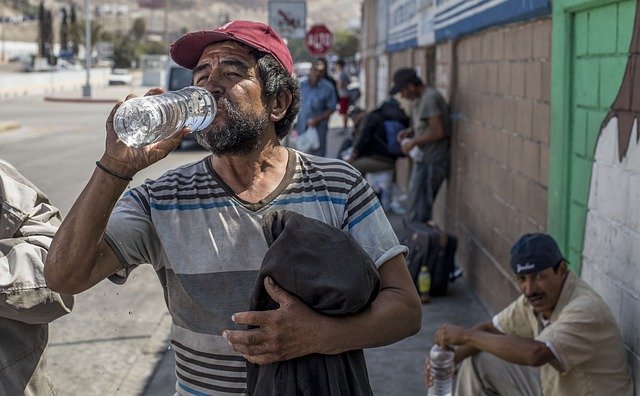
Water is fundamental to human survival, yet half of the population of Mexico lacks drinkable water. These seven facts highlight how limited access to clean water in Mexico can intensify poverty.
7 Facts about Access to Clean Water in Mexico
- Water Scarcity: Over 50% of people in Mexico face water scarcity. Mexico has an insufficient water supply that cannot sustain a population of 125.5 million people. As a result, an enormous 65 million people are struggling with water scarcity. This issue intensifies during Mexico’s driest month of April as people face droughts preventing accessible water.
- Natural Disasters: Natural disasters negatively affect access to clean water. Climate change brings hotter temperatures and droughts that can possibly dry up Mexico’s vital water sources. Earthquakes can destroy water purification plants and break pipelines, leading to floods of toxic waste. These sudden events can lead to an unpredictable water crisis for large numbers of Mexican citizens.
- Water Systems: An aging pipe system can also cause an inadequate water supply. Around 35% of water is lost through poor distribution, while faulty pipelines lead to pollution. Plans of the neighboring purification plant should be reconsidered as the city of Tijuana is overwhelmed with toxic sewage water from failing pumps.
- Mexico City is Sinking: The populous capital is sinking up to 12 inches annually due to the lack of groundwater. Consequently, floating houses pollute waterways and lead to further destruction of infrastructure. The city plans to modernize hydraulics or implement artificial aquifers to combat water scarcity.
- Rural Mexico: Rural regions are often overlooked in favor of cities. Water systems that run through rural towns are riddled with pollutants, making the water undrinkable. The town of Endhó dangerously uses Mexico City’s polluted water for farming because it does not have access to clean water. Some households have no running water, so they drink from polluted lakes to avoid the expense of bottled water. To prevent these dire conditions, government agencies are working to expand waterworks throughout rural areas.
- Water Laws: Water laws in Mexico are not enforced. The Mexican government is responsible for regulating access to clean water, but the laws are often disregarded. Citizens demand water for agriculture, which results in over-pumping of groundwater. Environmental problems such as 60% of groundwater in use being tainted are preventable by upholding Mexico’s Environmental Standard.
- Children’s Health: Children are vulnerable to arsenic and fluoride that contaminate the drinking water. Mexico’s regulations allow µg/L of arsenic in the drinking water which considerably surpasses the World Health Organization’s (WHO) suggestion of a maximum of 10 µg/L. This poses a dire situation in which 6.5 million children drink this hazardous water putting them at risk of severe health consequences including cancer.
These seven facts concerning water quality in Mexico focus on the importance of having clean drinking water. Access to clean water is necessary in order to maintain good health. The nation is working to fix its outdated infrastructure to bring improvements necessary to solving the water crisis in both urban and rural regions.
– Hannah Nelson
Photo: Pixabay
