10 Facts About Orphans in Africa
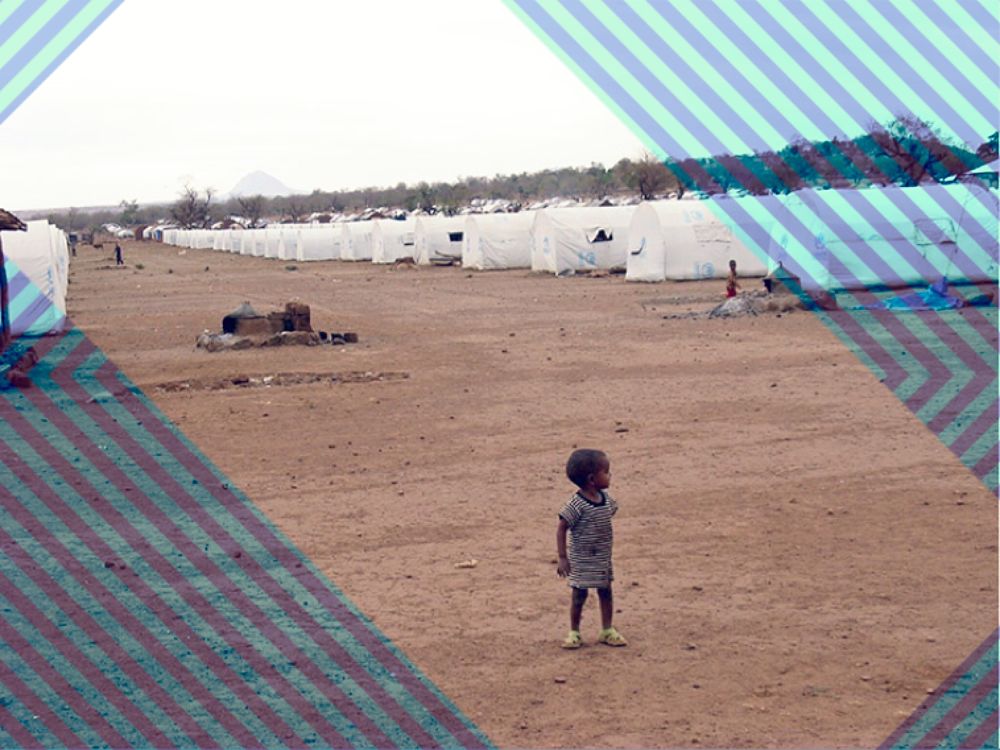
As the poorest continent in the world, the people of Africa face many struggles regarding poverty. These struggles impact the lives of children the most, and many are left orphaned and fending for themselves.
10 Facts About Orphans in Africa
- There Are Millions of Orphans in Africa
In the entire continent of Africa, there are an estimated 52 million orphans. Statistics for orphans combine three groups, including those that have lost both parents, those that have lost a father and those that have lost a mother. - Africa Is Home to More Than a Quarter of All Orphans
With approximately 140 million orphans in the world, Africa’s 52 million make up more than 30 percent of the entire orphan population. - Millions in South Africa Alone
There are an estimated 3.5 million orphans in South Africa alone. As of 2014, 812,000 have lost both parents, 2.13 million have lost their fathers and 611,000 have lost their mothers. - Close to a Quarter of African Youths are Orphaned
In sub-Saharan regions of Africa, around 20 percent of the population under 18 is considered orphaned. - Millions Orphaned by AIDS
Approximately 32 percent of orphans in Africa have had a parent or parents die from AIDS. Many of these children suffer from the disease as well. AIDS continues to be a major epidemic in Africa, and the number of those affected continues to rise. - Many Recent Orphans Lost Their Parents to Ebola
Thousands of African children were orphaned by losing parents to Ebola. The Ebola epidemic was especially detrimental to West Africa at its height, spreading through many countries, including Guinea, Liberia and Sierra Leone, leaving close to 4,000 children without parents. - Orphans Lead a Difficult Life
Many orphans have no support and are forced to fend for themselves as well as their siblings. This includes maintaining a household, providing food and working to support themselves as well as fund education and medical costs. Yet, because of their young age, orphans are often unable to find any kind of stable income. Fear and stigmatization of diseases such as AIDS also contribute to unemployment. - Extended Family Members Are Unable to Provide Support
Many orphans turn to extended family members for support, but they are often unable to provide it. Their extended family often includes grandparents and women, who tend to make 31 percent less than the average household. - Foreign Aid Supports Orphans
There are many foreign aid organizations and projects aiding and supporting African orphans, including USAID. USAID’s Orphans and Vulnerable Children Program focuses on improving the health and well-being of African children, including orphans. This program focuses on reducing educational disparities, providing physiological care and support, helping fund families’ essential needs and ensuring legal support and protection. - The Number of Orphans Is Decreasing
Since 2001, with the help of foreign aid, the number of orphans in Africa, along with the rest of the world, has decreased and is continuing to decrease. This decline, although small, has been very consistent throughout the years, at approximately 0.7 percent per year.
The plight of orphans in sub-Saharan Africa is the culmination of a number of factors that require a multi-faceted and cooperative strategy to curb. As things begin to get better by some measures, it remains critical to continue the push for foreign aid at the scale of national policy.
– Keegan Struble
Photo: Flickr