9 Facts about Poverty in the United States
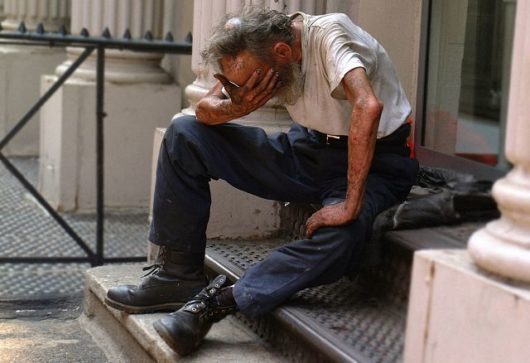
While the U.S. is one of the most advanced countries in the world, this does not exempt the nation from struggling with poverty. Issues like food insecurity and homelessness continue to pervade communities in America. Forty million people in the U.S. are living in poverty and the U.N. estimates that almost half of this number are people living in deep poverty. In the text below 10 facts about poverty in the United States are presented.
9 Facts about Poverty in the U.S.
- Poverty affects women and people of color disproportionately in the U.S. African Americans have the highest poverty rates of any ethnic group, at 27.4 percent. Around 45.8 percent of black children under the age of 6 are living in poverty, compared to 14.5 percent of white children of the same age.
- The U.S. spends only 16.2 percent of its GDP on social programs, compared to 21.3 percent that similarly developed countries do. Social programs like veteran’s benefits and unemployment compensation can make a huge difference in a country’s rates of poverty. An increased amount of spending on these programs has the potential to significantly decrease the number of people in the U.S. living in poverty.
- The U.S. is 36th out of 175 developed countries in rates of childhood poverty. This report considered factors like the dropout from school rates, adolescent birth rates and access to quality food. The U.S. has particularly high rates of teen pregnancy and child mortality in comparison to other developed countries.
- Rates of child poverty in rural areas are higher than in urban areas in more than 85 percent of states in the U.S. One of the facts about poverty in the United States that is most striking is that one in four children in rural areas in America live in poverty, compared to one in five in urban areas. Southern states have the highest rates of child poverty in the U.S.
- Various nonprofit organizations, such as Save the Children, are at work in the U.S. The organization works to give childhoods back to children who have been deprived of this because of their living circumstances. Save the Children has been at work in the U.S. since the Great Depression.
- Child poverty rates in the U.S. hit a record low in 2016, at 15.6 percent. This dip is said to be attributed to government programs such as the Supplemental Nutrition Assistance Program (SNAP), previously known as food stamps. The success of programs like SNAP proves that the U.S. should be spending more on public assistance.
- The U.S. has one of the largest wealth inequality gaps in the world. The wealthiest 1 percent of households in America own more than 40 percent of the nation’s wealth. In recent decades this gap has gotten even wider. This vast inequality is bad for the American economy and even more detrimental to poor households with no upward mobility.
- The affordable housing crisis in the U.S. contributes to high levels of homelessness, especially in major cities. Large cities with the highest living costs often have the highest levels of homelessness. Iowa and Nebraska, two of the cheapest states for housing in America, have the lowest levels of homelessness in the country.
- The number of homeless Americans is growing. Rates of homelessness jumped by 9 percent in 2017. The U.S. fiscal plan for 2019 has $8.8 billion of proposed budget cuts for the Department of Housing and Development, so the issue does not seem to be ameliorating in the upcoming years.
Since the U.S. is such an advanced country, issues like poverty often go ignored despite their prevalence. Many of these 10 facts about poverty in the United States are unknown by the American public. With increased awareness in the American population, the nation has the potential to learn to work together and achieve lower rates of poverty across the board.
– Amelia Merchant
Photo: Unsplash
