Examining Women’s Rights in Pakistan
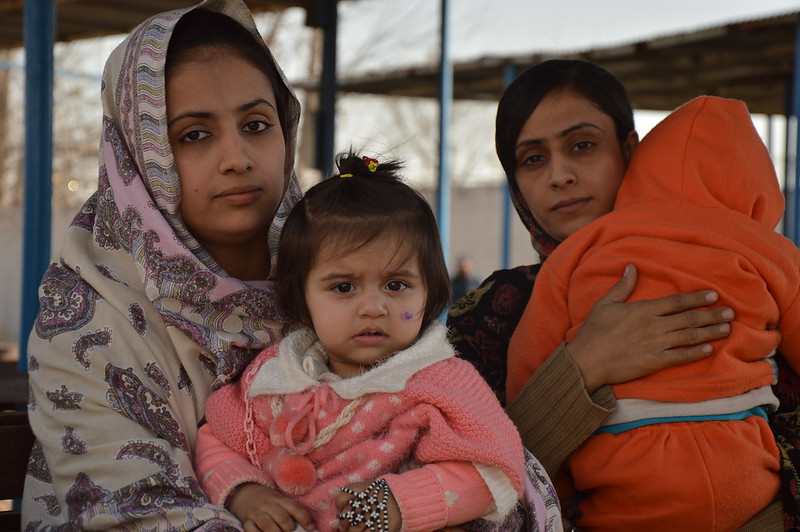
A lot of progress has occurred to achieve women’s rights in Pakistan. However, gender inequality still remains a prominent issue. According to the World Economic Forum, the Global Gender Index Report ranks Pakistan second to last in domestic violence.
Fortunately, the government has taken significant action. In December 2020, Pakistan instilled a new anti-rape law to speed up convictions and toughen sentences. According to White Ribbon Pakistan, an estimated 4,734 women faced sexual violence between 2004 and 2016. Furthermore, there were over 15,000 cases of registered honor crimes and more than 1,800 cases of domestic violence. However, conviction rates remain low. Only 2.5% of all cases result in convictions. The new law requires sex offenders to be nationally registered. Additionally, the courts will protect the identity of victims.
Domestic Abuse
Pakistan ranks as the sixth most dangerous country for women in regards to domestic violence. Patriarchal and cultural norms greatly impact women’s rights in Pakistan.
Honor killings and violence within the home are prevalent. Recently, social media model and activist Qandeel Baloch’s brother strangled her to death. According to her brother, she had ruined the family’s image and honor. Fortunately, Pakistan has made progress to prevent violence within the household. For instance, the court denied Baloch’s parents’ wishes and convicted Baloch’s brother of murder. Additionally, more than 1,000 domestic violence cases appeared in court in June 2019.
Furthermore, Ms. Quandeel wrote, “I wonder how long it will take us to recognize that we shouldn’t let ourselves off the hook, that our social structure is rotten and works against people like #Qandeel who wish to make something of themselves on their own terms.” The death of Qandeel Baloch generated a movement for gender equality in Pakistan.
The Good News
The good news is that Pakistani women are fighting back. Since 2018, women have demanded economic and environmental justice, reproductive rights and better access to public spaces. On International Women’s Day, thousands took to the streets to demonstrate their commitment to bettering women’s rights in Pakistan. However, conservative groups criticized the movement and labeled it as a “western campaign.”
One of the main slogans of the march was “mera jism, meri marzi” (my body, my choice). Many said it was a promiscuous demand that did not empower women. Yet, women continue to defend their objectives, raise awareness against sexual harassment and gender-based violence and promote bodily autonomy.
Additionally, women began riding bikes in order to accentuate their presence in public spaces. Girls at Dhabas organized a bike ride to promote certification in all public events and fight against restrictions that prohibit women. One cyclist said, “We have an advantage with this lockdown and corona and all. The cycling has become really common among the girls in Islamabad.”
Various organizations are spreading awareness of domestic violence. Additionally, the government continues to implement new laws to protect women. Although women’s rights in Pakistan are lacking in many ways, the government and organizations continue to strive for gender equality.
– Marielle Marlys
Photo: Flickr
