What Makes Countries Successful in Fighting Outbreaks?
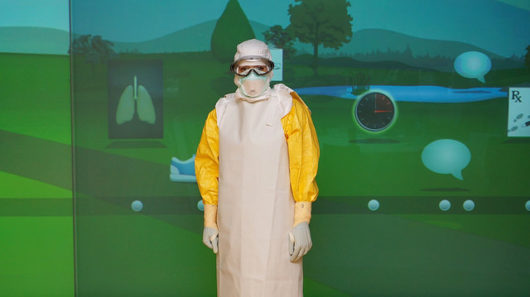
For some countries, disease outbreaks can be violent, killing thousands of people over many years. For other countries, the disease is eliminated within a few months. Being properly prepared for an outbreak is vital to ensure that countries are successful in fighting outbreaks.
The Public’s Response to an Outbreak
The public’s response to news of an outbreak is often fear. While fear can be chaotic, it also brings increased caution. This was apparent during the Ebola outbreak in Africa. In the midst of false alarms, many victims were also diagnosed early. Furthermore, people followed precautionary measures, as instructed, and did their best to prevent the spread of the disease. In contrast, some West Africans ignored the Ebola warnings, believing that they were lies made up by foreigners. When one of them became infected, they often turned to traditional healers, rejecting modern medical aid. The numerous languages and high illiteracy rates of the region made it even more difficult to fight the misinformation.
Misinformation and miscommunication can be major roadblocks to fighting outbreaks. The CDC addressed this issue by establishing culturally-conscious campaigns in different languages, making the population more receptive and the material accessible. For example, burial rituals were a major vehicle of transmission for Ebola due to the close contact to bodies of Ebola victims. Rather than telling West Africans to avoid these rituals altogether, the CDC recommended adjusting them to limit exposure to the body. By accommodating and being respectful of cultural traditions, the CDC was more successful in fighting outbreaks in Africa.
Lack of Resources During an Outbreak
During the Ebola outbreak, many countries did not have adequate resources to help the victims. Underdeveloped health systems that were damaged by years of political instability left many African countries even more vulnerable to the outbreak. As more and more patients were infected, health facilities became overwhelmed and lacked the capacity to care for their patients.
Consequently, the lack of resources intensified the public’s distrust in authorities. When people followed the government’s advice to go to hospitals, the hospitals rejected them because there weren’t enough beds. Many Africans continued to turn to traditional healers as a result. Supplies, equipment and medical personnel were all limiting factors in the containment of the outbreak, showing just how essential it is that countries have enough resources to prepare for future outbreaks. Organizations such as WHO and Médecins Sans Frontières (Doctors Without Borders) have been major sources of aid when existing infrastructure is not enough, but they should not be solely relied upon in an outbreak.
Surveillance Systems to Identify Outbreaks
Establishing surveillance systems can also help with preparation. Regular surveys and checks can help to identify outbreaks right at the beginning. WHO emphasizes the importance of up-to-date information so that abnormalities can be addressed immediately.
As Ebola spread throughout Africa, organizations, like the World Health Organization, sent medical personnel and equipment to be set up in Mali. They helped monitor borders and hospitals in case an outbreak occurred. As a result, when Mali’s first case of Ebola developed, experts were able to track down where the patient had traveled and who may have been in contact with her. Additionally, its population was well-informed because rumors and disbelief failed to spread. This vigilance brought about an end to the Ebola outbreak in Mali.
A well-informed public, access to adequate resources and staff and a surveillance system to catch a problem before it spreads are some of the best ways to limit the number future outbreaks. While this level of preparation is difficult when an outbreak first occurs, it illustrates the importance of proper preparation to be successful in fighting outbreaks.
Photo: Flickr
