7 Things To Know About Water Quality in South Africa
 South Africa is located at the southern tip of the world’s second-largest continent. Often called the “Rainbow Nation”, it is home to eleven official languages. Since the end of apartheid, the country has worked to dismantle institutionalized racial segregation. While political reform has brought meaningful progress, inequality and uneven development remain defining challenges.
One of the clearest measures of this inequality is water quality. A country’s water systems reflect far more than environmental conditions; they reveal the strength of public health systems, infrastructure and government capacity. In South Africa, fragile political stability and infrastructure gaps have placed strain on key water resources. Here are seven key things to know about water quality in South Africa.
7 Things To Know About Water Quality in South Africa
- South Africa is one of the 30 most water-scarce countries in the world – About 77.1% of households had at least basic drinking water access in 2024, meaning approximately 23% fell short of that basic level. As such, strict regulation of the limited supply is crucial. The Department of Water and Sanitation’s legislative mandate ensures the country’s water resources are protected through regulating the delivery of effective water supply. One of the ways it does so is through prioritizing the integration of water resource planning and development; the department planned to oversee the completion of strategic projects, including the uMkhomazi bulk water supply scheme.
- Water infrastructure is aging and insufficient – Demand increasingly exceeds supply in many of South Africa’s provinces. This issue, coupled with aging pipes and poor maintenance, has reduced water reliability. Sanitation infrastructure, particularly wastewater treatment systems, is also unevenly developed across the country, with a stark disparity between major urban areas and many rural communities. Nevertheless, government initiatives such as the Giyani Water Project demonstrate ongoing efforts to address these inequalities. Phase 1 of the R4.8 billion project successfully reticulated 24 of the planned 55 villages, helping to restore basic water access in areas where infrastructure had previously been inadequate.
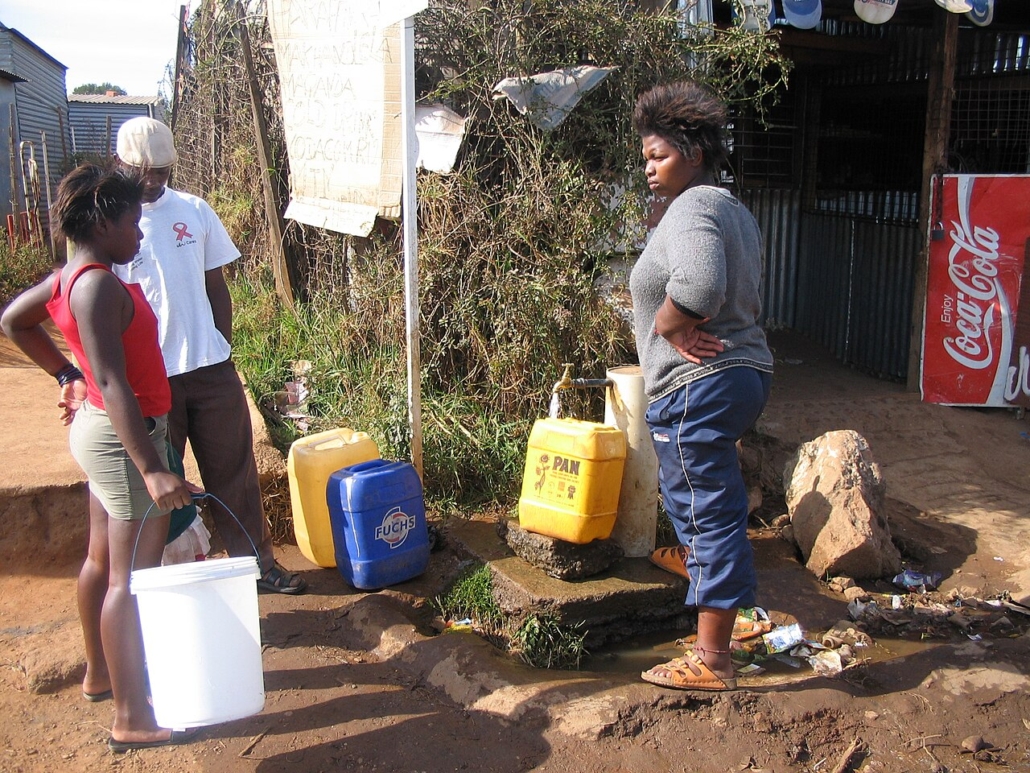
- Challenges with water access disproportionately affects rural communities – Access remains deeply unequal. The 2018 “Day Zero” water crisis in Cape Town exposed these divides. While wealthier residents adjusted by limiting showers and reusing greywater, black township communities were already living with chronic water shortages long before the crisis made headlines.
- Access to clean and safe drinking water is a right for all South Africans – Section 27(1)(b) of the country’s 1996 constitution guarantees the right to all citizens access to sufficient water. It clearly states that “everyone has the right to have access to sufficient food and water.” Although this right should be satisfied for all communities, it remains unrealized for many across the country due to ongoing challenges in water quality, infrastructure and distribution. As a result, the Constitution serves not only as a legal guarantee, but also as an important standard that the government must continue to uphold and work towards achieving via the expansion of various water infrastructure projects.
- Rapid urbanization is intensifying pressure – The United Nations (UN) predicts that by 2050, three billion people globally will be living in informal settlements. The growth of urban villages in South Africa place additional strain on already stretched systems responsible for managing the quality and supply of water. This highlights the role of the international community in supporting sustainable water management. For example, the World Bank Sanitation, Water Supply and Hygiene in Urban Informal Settlements report stresses the need for baseline WASH data and settlement-upgrading strategies in informal urban areas.
- South Africa has already captured most available surface water – South Africa stores approximately 75% of its surface water in dams. Major dams in the Western Cape were built during the apartheid era to prioritize white-owned, commercial farmland; a structural legacy that remains.
- The South African government is identifying Strategic Water Source Areas – The government has mapped Strategic Water Source Areas (SWSAs): critical natural regions that supply a disproportionately large share of national water. Protecting these areas is central to long-term water security planning.
Looking Ahead
South Africa’s response to water scarcity mirrors the country’s wider development path. Progress has been real, but it is incomplete. The government has strengthened policy, improved regulation and invested in long-term planning. Yet, delivery remains uneven. Aging infrastructure, historic inequality and rapid urban growth continue to put strain on resources.
South Africa has the institutional capacity and economic potential to improve water security. How the country manages its water will shape not only public health and equality, but the direction of its advancing economy.
– Harriet Willars
Harriet is based in London, UK and focuses on Global Health for The Borgen Project.
Photo: Wikimedia Commons
