Vocational Education Training Centers in Yemen
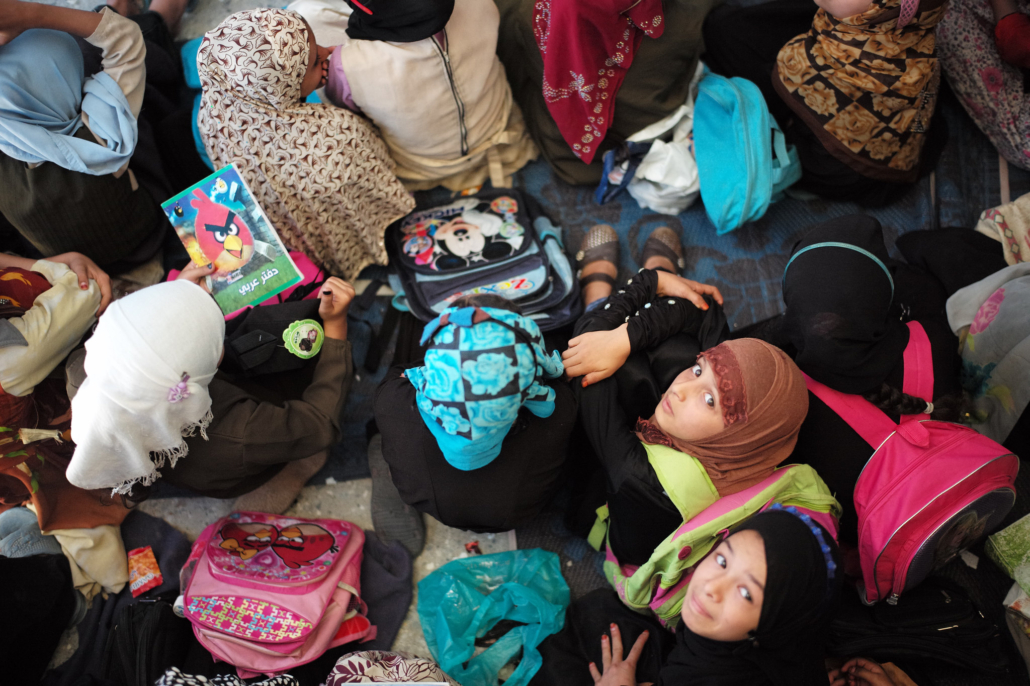 Vocational education training centers in Yemen are giving young people the tools to rebuild their futures. From classroom learning to community rebuilding, these centers are helping reduce unemployment and foster economic resilience in one of the world’s most vulnerable nations.
About Vocational Education Training Centers in Yemen
Vocational education training centers in Yemen have faced immense challenges since Houthi rebels seized the capital city of Sanaa in 2014. The prolonged civil war has devastated Yemen’s social and economic structures, making it difficult for educational and training institutions to operate effectively. Regional intervention and years of political instability have fueled the conflict, driving millions of elders, women, children and innocent lives into poverty. Experts consider the conflict in Yemen one of the worst humanitarian crises in modern history, following the 2025 Gaza genocide, including widespread famine and disease outbreaks.
After nearly a decade of war, Yemen continues to face extreme economic, social and health challenges that will affect Yemenis’ lives in the long run. With collapsing infrastructure, limited job opportunities and severe disruptions to education, young people are among the most affected. According to the World Bank, the country’s real GDP per capita has dropped by nearly 60% since 2015, and more than half of Yemeni’s population now faces food insecurity. Poverty and war have forced many families to withdraw children from school or depend on unsatisfactory, informal labor just to survive.
In Yemen, where some children search for a loaf of bread to ease their hunger and families struggle to meet even their most basic needs, vocational education and training centers have emerged as a vital solution. By equipping youth and adults with practical skills in fields such as construction, agriculture and technology, these programs provide pathways to employment, support local economies and help restore a sense of stability and hope for a long-term recovery.
Skills for Stability
Vocational education training centers in Yemen are offering practical, life-changing skills to communities in crisis. These centers teach trades such as plumbing, solar installation, tailoring and information technology. Teachers at vocational centers teach skills that directly meet the needs of local markets in Yemen. According to UNICEF, programs supporting technical and vocational education in Yemen have helped thousands of youth, particularly women and displaced people, gain the expertise needed to secure jobs and rebuild their communities.
In a country where years of conflict have left many without traditional schooling, these centers serve as safe havens for learning and empowerment. Students often share classrooms powered by solar panels they install themselves, blending education with action. Each new skill learned represents a step away from dependency and closer to resilience for individuals and communities in Yemen.
Amina’s Story
Despite the challenges, Amina, a young woman from Yemen, refused to give up hope. Her school principal nominated Amina to join a UNICEF-supported like-skills and vocational training program, and she eagerly embraced the opportunity. After more than two months, she learned sewing and business management and upon completing the training, Amina received a sewing machine and materials to start her own small business.
“My life has changed. I was afraid of meeting people before, but now I am more confident and independent. I can now provide all my needs without depending on others,” said Amina.
In a modest room made of stone and clay, Amina set up her own small workspace, where she now tailors vibrant dresses for women and girls in her neighborhood. What began as a simple effort to practice her new sewing skills quickly turned into a thriving business as word spread throughout her community. Today, she earns roughly 20,000 Yemeni riyals each month (about $84 USD), which is enough to support her parents and ten siblings. Amina’s journey shows how access to vocational education can transform lives, turning hardship into independence and hope into opportunity.
Economic Ripple Effects
Vocational education in Yemen does more than create jobs; it lays the foundation for long-term economic development. By equipping people with practical skills, training programs help reduce unemployment, boost productivity and encourage small business creation. According to the World Bank, Yemen’s economy had contracted by nearly 60% since 2015, making the rebuilding of human capital crucial for its recovery.
As trained workers begin to rebuild infrastructure and launch microenterprises, they stimulate local markets and attract investment opportunities. Indeed, international partners, including the World Bank and UNDP note that investing in job training in Yemen can also open new avenues for economic cooperation and trade, creating pathways for growth that extend beyond national borders. This progress highlights the importance of vocational education in Yemen as a driver of job training and economic development.
The Good News
Despite the challenges, success stories are emerging across Yemen. In Taiz, a women’s sewing collective launched in 2022 with support from UNICEF has trained more than 200 women in tailoring and business management. Many of these women now run small businesses that provide clothing for their communities and income for their families. In Sana’a, a solar training program that the Social Fund for Development created in partnership with local schools has equipped young people with the skills to install and maintain solar panels, helping restore electricity to schools and homes in areas that power shortages affect.
These programs restore livelihoods and strengthen hope, showing that even amid a crisis, education can rebuild lives and communities. Yemen’s vocational training centers demonstrate that opportunity can flourish in conflict. Supporting these initiatives helps transform crises into capacity, giving young people tools to rebuild their country.
Advocating for policies and funding that expand the vocational education training center in Yemen remains essential to promoting long-term stability and economic recovery. Strengthening these centers helps create employment opportunities. Supporting local economies and empowering communities to rebuild their future through education and skill development.
– Furdeuce Mused
Furdeuce is based in Oakland, CA, USA and focuses on Good News and Technology for The Borgen Project.
Photo: Flickr
