Pakistan and Mozambique Hit Hardest by UK Cuts to Foreign Aid
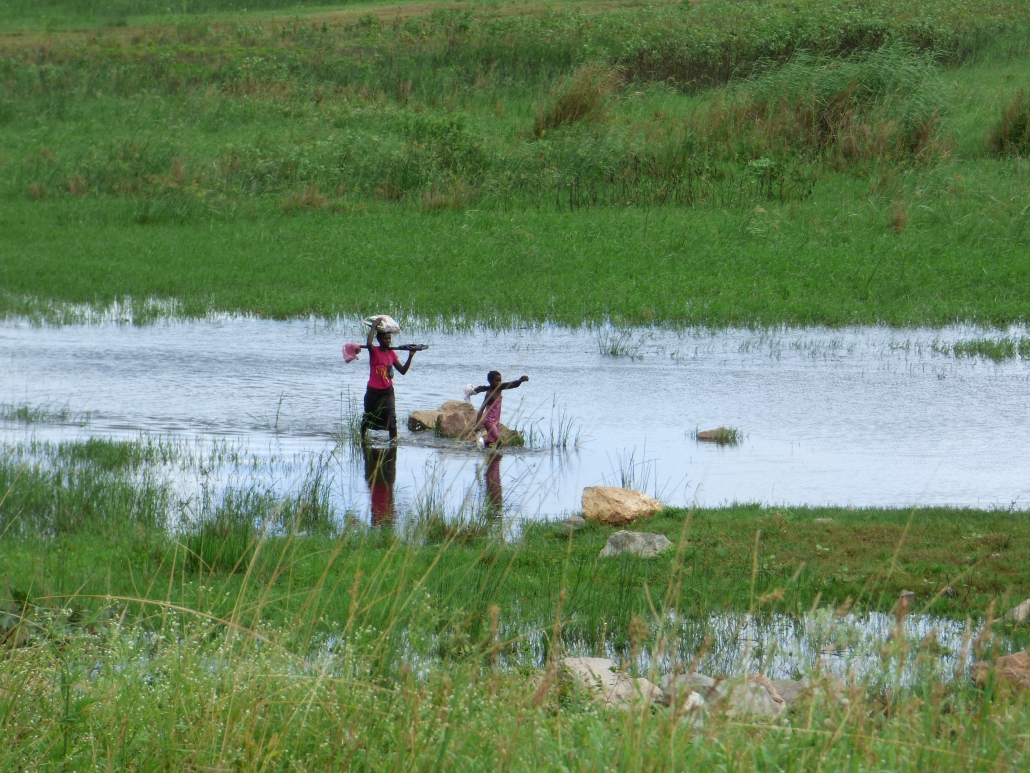 Pakistan and Mozambique will suffer the steepest cuts to U.K. foreign aid. Ministers have set out where the deepest reductions will fall after the government confirmed cuts of more than $6 billion, taking development spending from 0.5% of GNI to 0.3% by 2027. Before the COVID-19 pandemic, the share of foreign aid spending stood at 0.7%. Yvette Cooper, the foreign secretary, told parliament that “hard choices and unavoidable trade-offs” were necessary to shift funding toward defense budgets following the war in Ukraine and other global threats.
UK Shifts Focus to Defense and Investment Partnerships
Bilateral aid arrangements will face the largest reductions, Cooper said, with Pakistan and Mozambique hit hardest by U.K. foreign aid cuts. The two countries will see their direct grant funding reduced significantly, while Yemen, Somalia and Afghanistan will also face cuts. At the same time, she said the government plans to expand “partnerships for investment” to help raise private funds or bring in expertise to help countries raise funds themselves.
In response to concerns about combating infectious diseases such as polio, Cooper said organizations such as Gavi, the Vaccine Alliance, a multilateral vaccine program partly funded by the U.K., would need to take on more of this work. She added in a statement in March, “National security is the first duty of government and this country faces the most serious security situation for a generation. For too long under previous governments, our defense investment was cut back, so last year this government took the necessary decision to deliver the biggest increase in defense spending since the Cold War.”
“Allocating a reduced [aid] budget inevitably leads to hard choices and unavoidable trade-offs, so we are focusing aid on the people and places that need it most and we will still be a major player. We expect to be the fifth-biggest funder in the world. We will still use international leadership, such as our 2027 G20 Summit presidency, to shape the global agenda for development,” she added.
The cuts, alongside reductions by the U.S. and other wealthy nations, could threaten multiple aid programs and leave developing countries increasingly reliant on other sources of funding.
Remittances Fill Some of the Aid Gaps in Pakistan
In Pakistan, the share of aid funding generated by remittances from more than eight million Pakistanis living abroad has risen significantly, now reaching around $30 billion. Naseer Memon, an Islamabad-based social sector expert, said last year this funding helped charities and NGOs absorb some of the earlier aid reductions and sustain much of their work.
He added, “Pakistan’s decades-old development sector, particularly the big NGOs, is deeply rooted and increasingly pursuing a multi-sectoral, multi-donor approach to avoid dependence on one or a few donors.” However, that resilience will be tested further over the next year as U.K. cuts take effect.
Mozambique Relies on UN Agencies
Mozambique has far less capacity to raise donations from its diaspora, so it will rely more heavily on multilateral organizations, including the U.N. The country suffered devastating floods in January that displaced hundreds of thousands of people, particularly in Gaza Province.
The International Organization for Migration (IOM) has provided emergency assistance, including health care, water and sanitation, accommodation centers and coordination support. However, tens of millions of dollars are still needed to restore livelihoods.
– Lawrence Dunhill
Lawrence is based in London, UK and focuses on Politics for The Borgen Project.
Photo: Wikimedia Commons
